
So WHAT exactly is Abstract Art? Let’s have a closer look at the definition….
Art that does not attempt to represent external reality, but seeks to achieve its effect using shapes, forms, colors, and textures.
Hmm...ok so that’s pretty broad right? Well, that’s ok….we artists don’t like to be put in a box anyway but what I want to explore is one part of this definition - “its effect” What does that mean exactly?
We know a piece of artwork can affect a person but how does it alter a SPACE? A room? A wall? A home? Art can make a wall a focal point or it can unite your color scheme. It can calm a room or add personality! It can balance a fireplace or create drama in a dining room. But HOW does it do this exactly?
Abstract Art achieves its effect by utilizing the aesthetic principles of composition. In fact, Abstract art RELIES on ONLY these things. There is no human face to focus on or realistic object to hold the viewer's attention. It MUST captivate them using design alone. A brilliant and fascinating challenge!
Abstract art is often clumped into a group with any form of art that derails from realistic or representational work but there are a few different types of Abstract Art that we should be aware of.
Abstraction can be expressed in different degrees. For example, an artist may morph a figure or exaggerate aspects of it as seen in cubist work and this is a form of Abstraction - sometimes referred to an Abstract Figurative work. The same can be done with a landscape thus referred to as Abstract Landscape. Abstraction of course can completely separate from any sign of recognizable reality and become Non-Representational work that relies purely on color, shape and line. Here are a few examples…

Non-Representational Art by Wassily Kandinsky - “Composition VII”, 1913
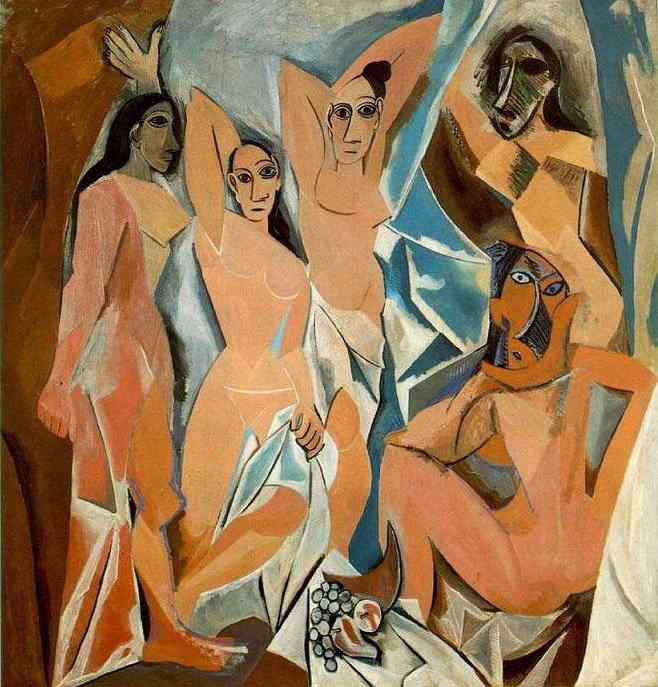
Cubist art by Picasso - “Les Demoiselles d'Avignon” 1907
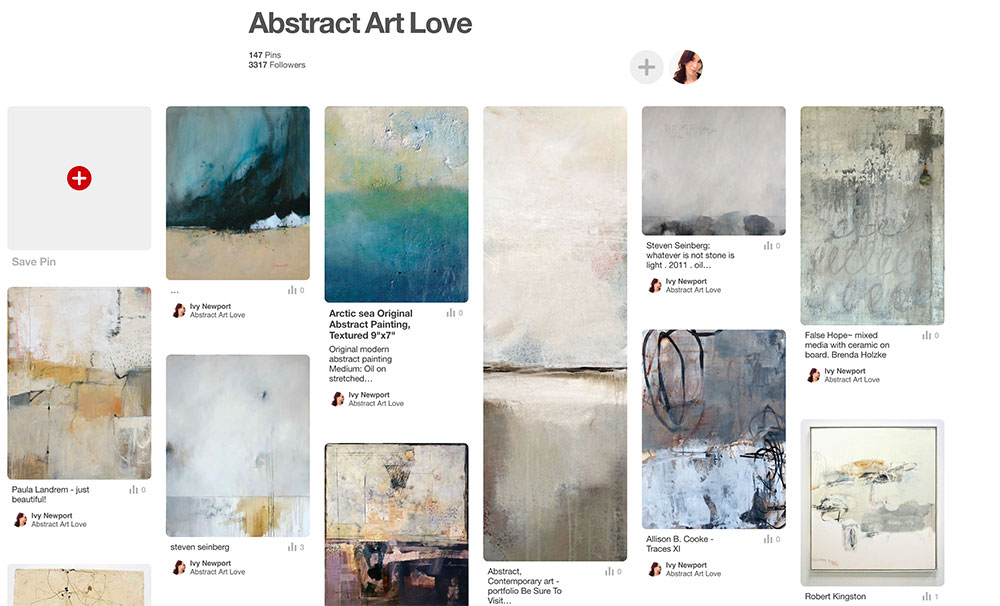
For more abstract Art to peruse go on over to my Pinterest Board - Abstract Art Love