
I first discovered batiks quite a few years ago when I took a class that demonstrated the batik process using watercolors. I was enamored with the beautiful look and feel of the results, but at the same time, if I’m being truthful, I was a little disappointed that what I had created didn’t look “perfect”. As I began to work with the process further, I began to embrace that beautiful imperfection. I realized that the work didn’t have to be perfect to be beautiful and an authentic version of myself and what I wanted to express in the world.
According to Wikipedia, Wabi-sabi is described this way, “In traditional Japanese aesthetics, wabi-sabi (侘寂) is a world view centered on the acceptance of transience and imperfection. The aesthetic is sometimes described as one of appreciating beauty that is "imperfect, impermanent, and incomplete" in nature. It is prevalent throughout all forms of Japanese art.” What a perfect and beautiful way to describe the art form of batik painting!
If we slow down and take the time to notice, beauty is all around us. Nature is full of beauty and exemplifies the phrase “perfectly imperfect”. So how appropriate that we use subjects found in nature for our batik class.
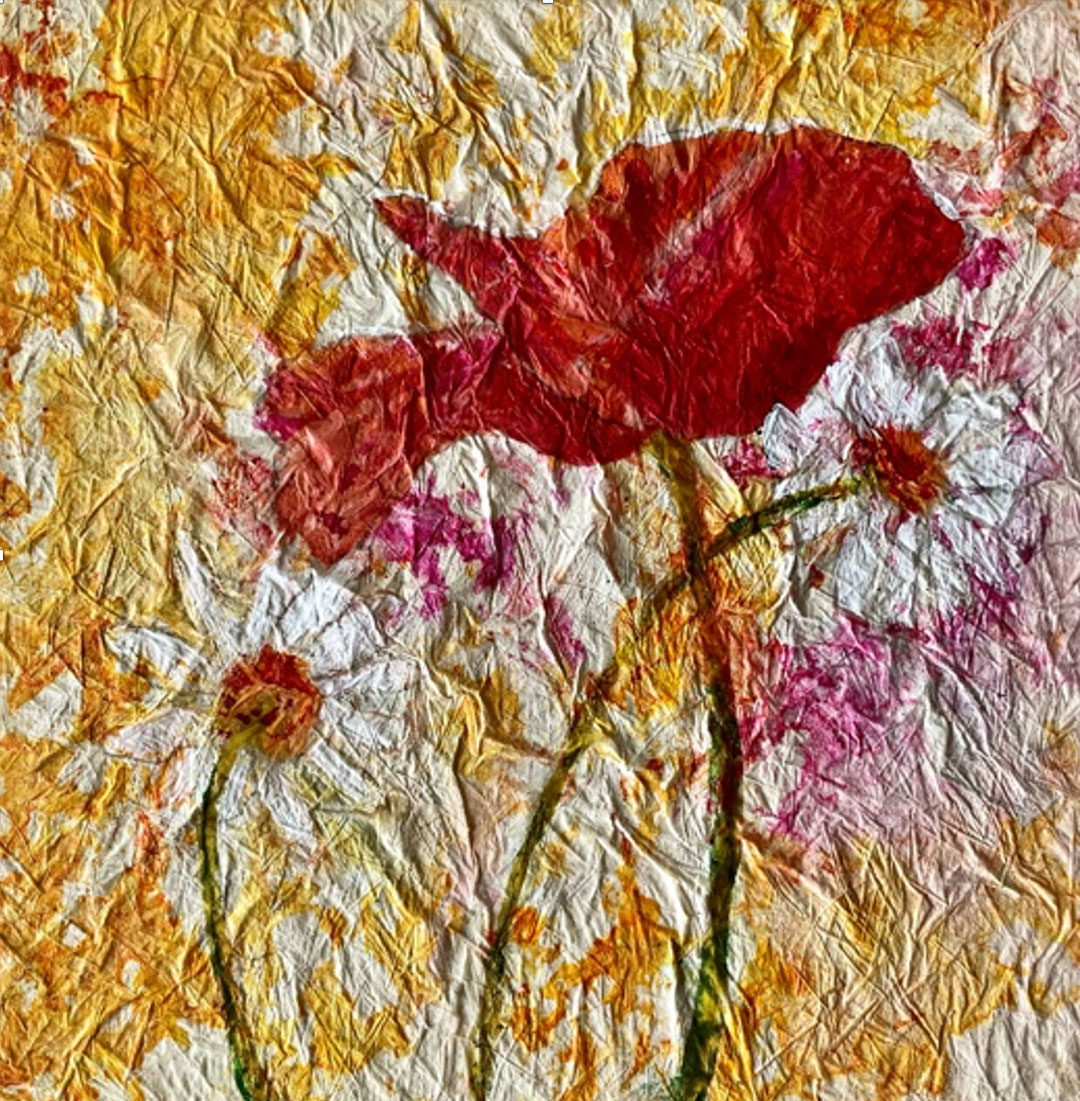
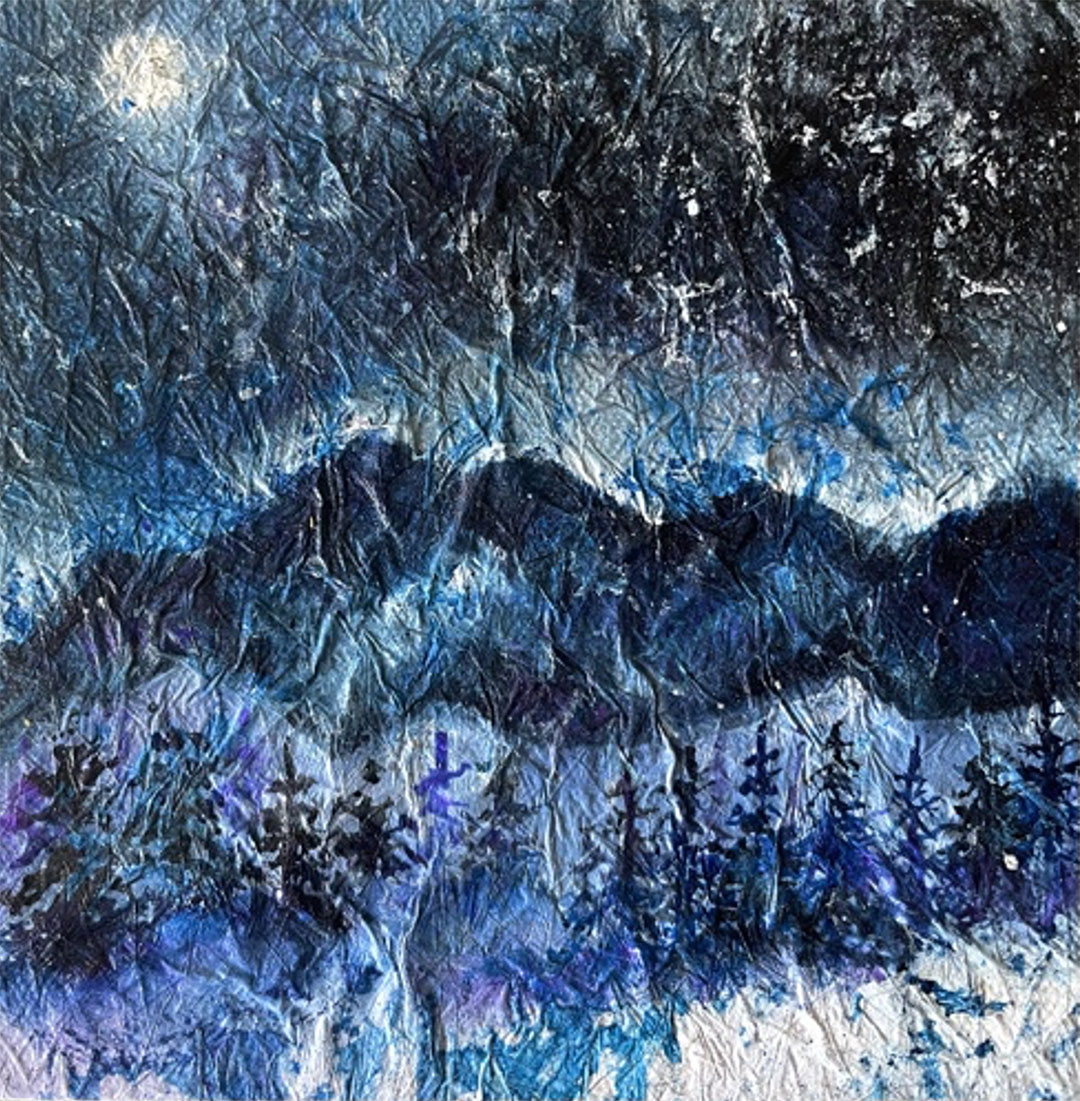
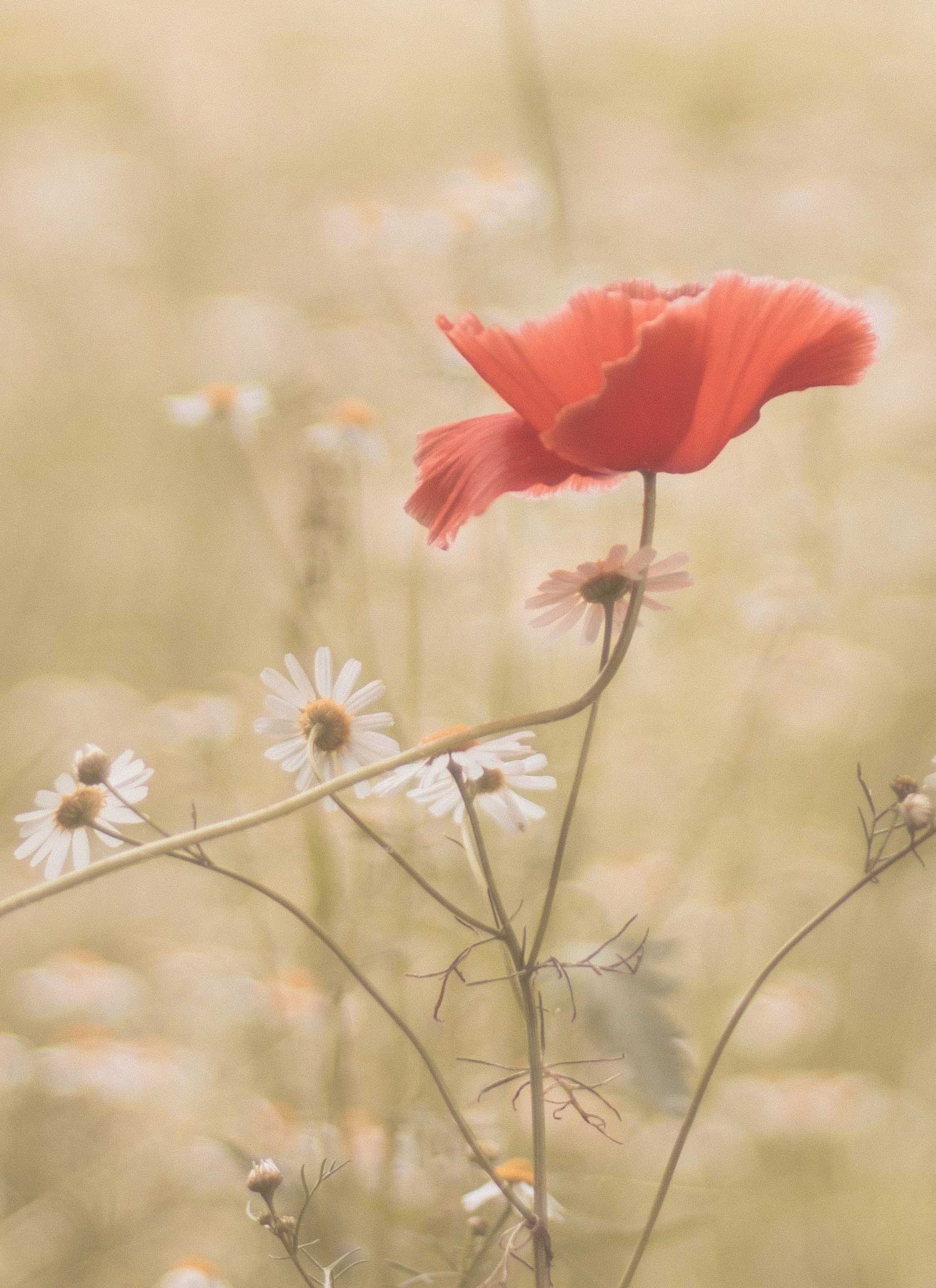
With courage and without expectation, we will explore the beauty of a crisp, clear mountain night. Moonlight hanging above the horizon. Then we will move on to the simple beauty of florals. Two separate projects that contrast the themes of light and dark and embrace the theme of imperfection.
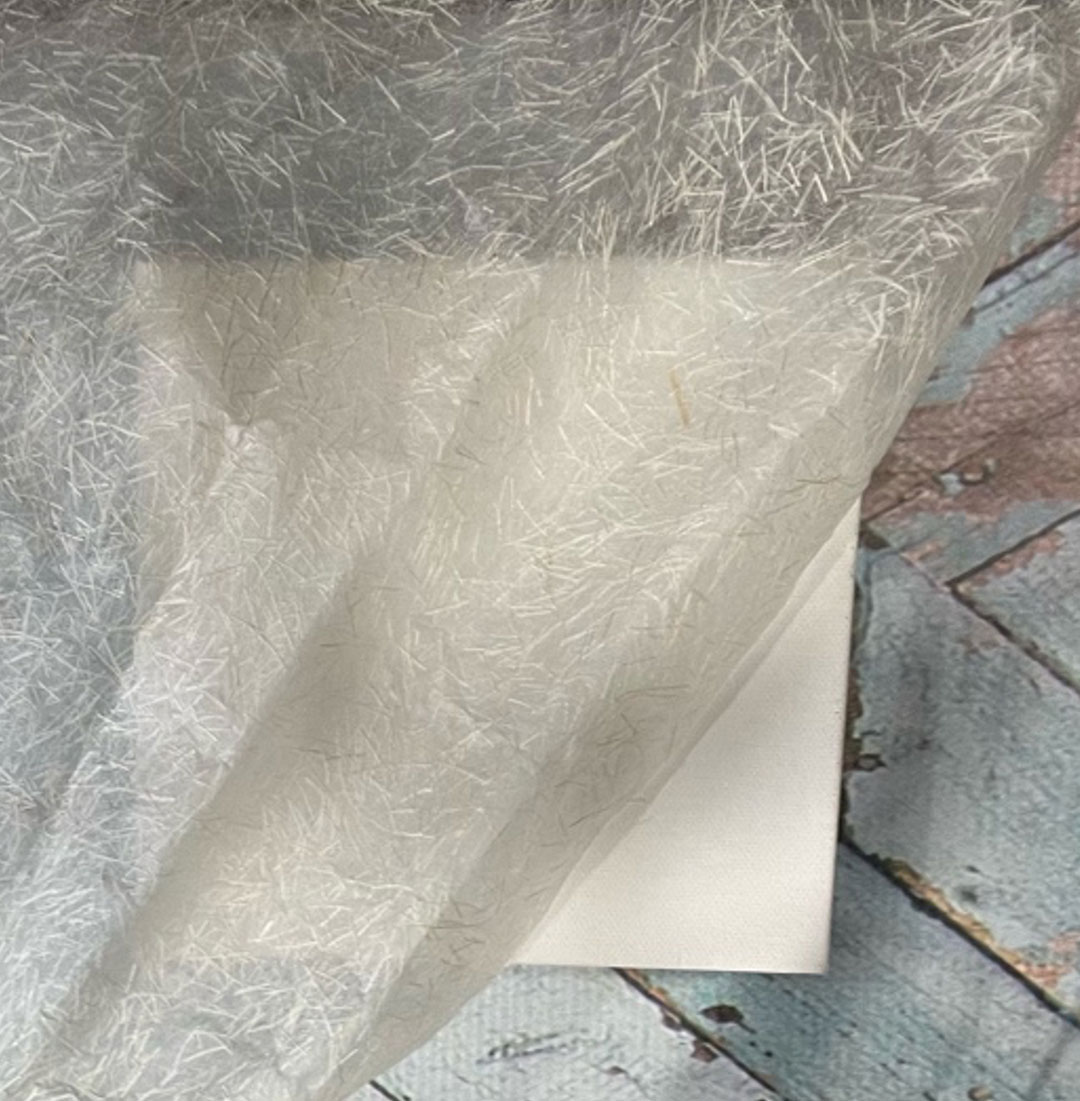
What is Awagami Ginwashi paper?
Ginwashi and Kinwashi are made in Japan from Kozo and Manila Hemp fibers. Both decorative papers are lightweight yet durable with textured fiber inclusions on one side and smooth on the reverse side. The Ginwashi paper has more fiber inclusions than the Kinwashi. Many others will work. Each one will give your painting a different look.
Paints and Inks
These are the ones I used for each project, but please use whatever you have on hand.
Mountain Project
Floral ProjectProject
I truly hope you enjoyed this lesson! Let go and create with no expectation of the outcome, embracing Wabi-sabi. Enjoy the journey it takes you on. Please let me know if you have questions and I would love to see what you create!
If you aren't a member of the Facebook Studioworks Community then come on over and come join us. It's the perfect place to share your art and be supported by fellow artists!