Dear creative friends,
I'm home.
After Ireland, after that wide green landscape and the everchanging beauty of the west coast, I'm back in my balmy garden in Portugal, and I have to tell you, it feels different this year. Usually the return home comes with a small ache, that letdown of ordinary life closing back in. Not this time. I landed and felt my whole body exhale.
Maybe it's the heat. July here is heavy and golden. The bougainvillea has gone a little wild over the back wall. The birds of paradise are in full bloom. My studio windows stay open until the light finally gives out, and most evenings I just sit and watch the wild green parrots streak across a sky going pink and orange.
I've been thinking about what it means to follow a month like June with a month like this one. June was about reaching outward. The wild call, the open horizon, anything still possible. And it was glorious! But a year can't run on expansion alone. Something has to come after the reaching. Something has to let you simply enjoy what you went out and found.
That's this issue. Reverie.
I'll be honest, I almost felt guilty writing a whole issue about pleasure. Isn't there always more to do, more to build, more to push toward? But I kept coming back to one evening last week in the garden, watching the light change color on the wall, doing absolutely nothing productive. And I thought, this is allowed. This counts too.
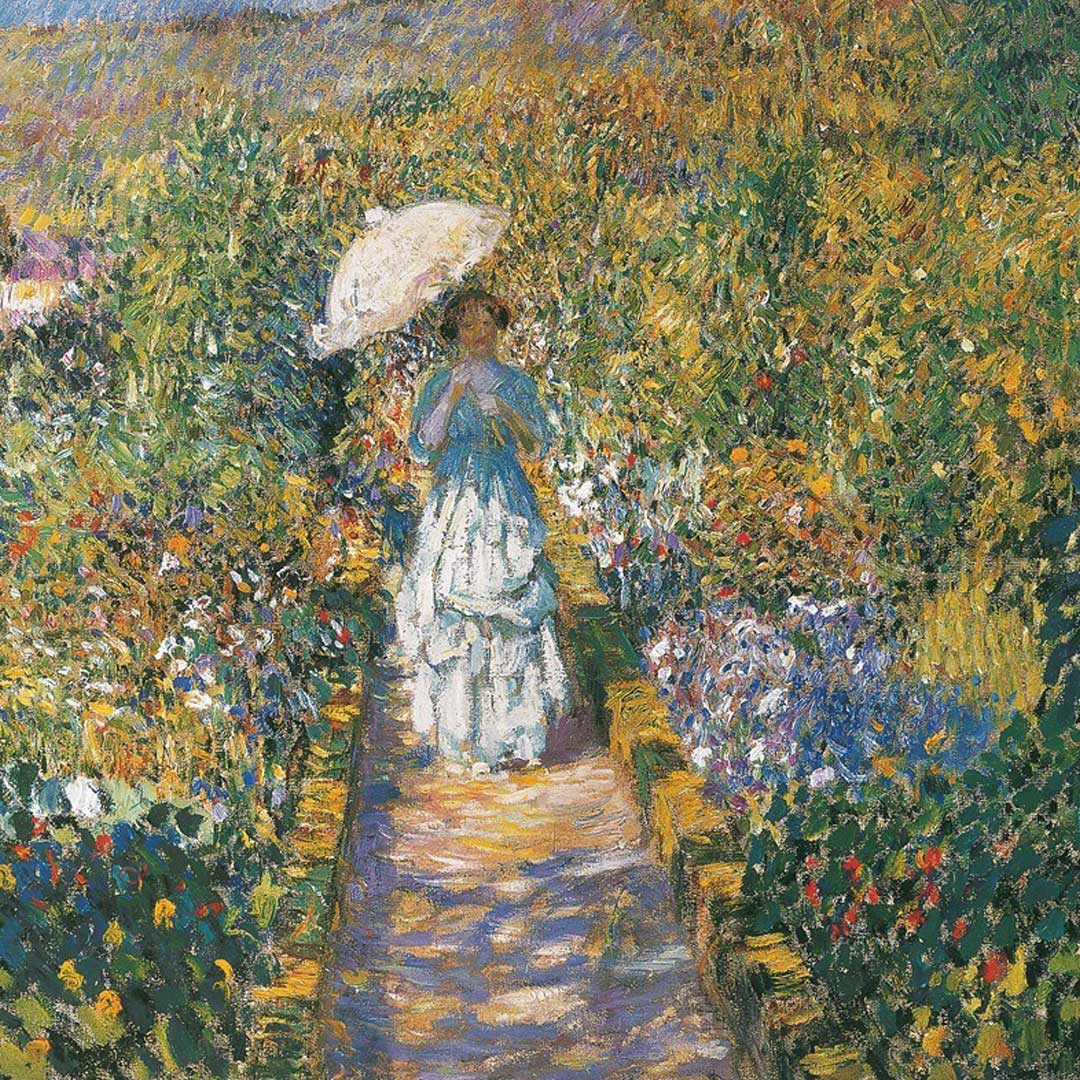
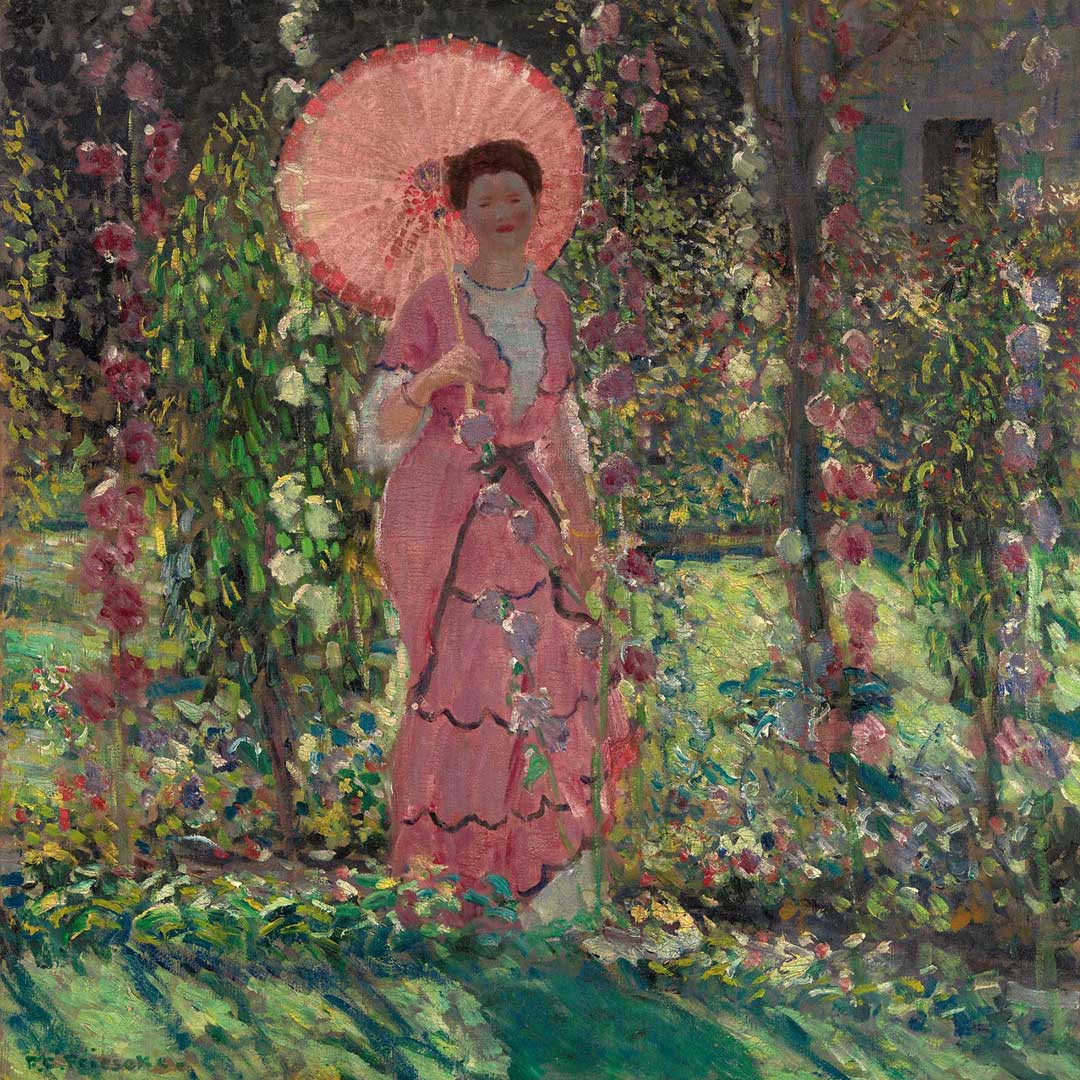
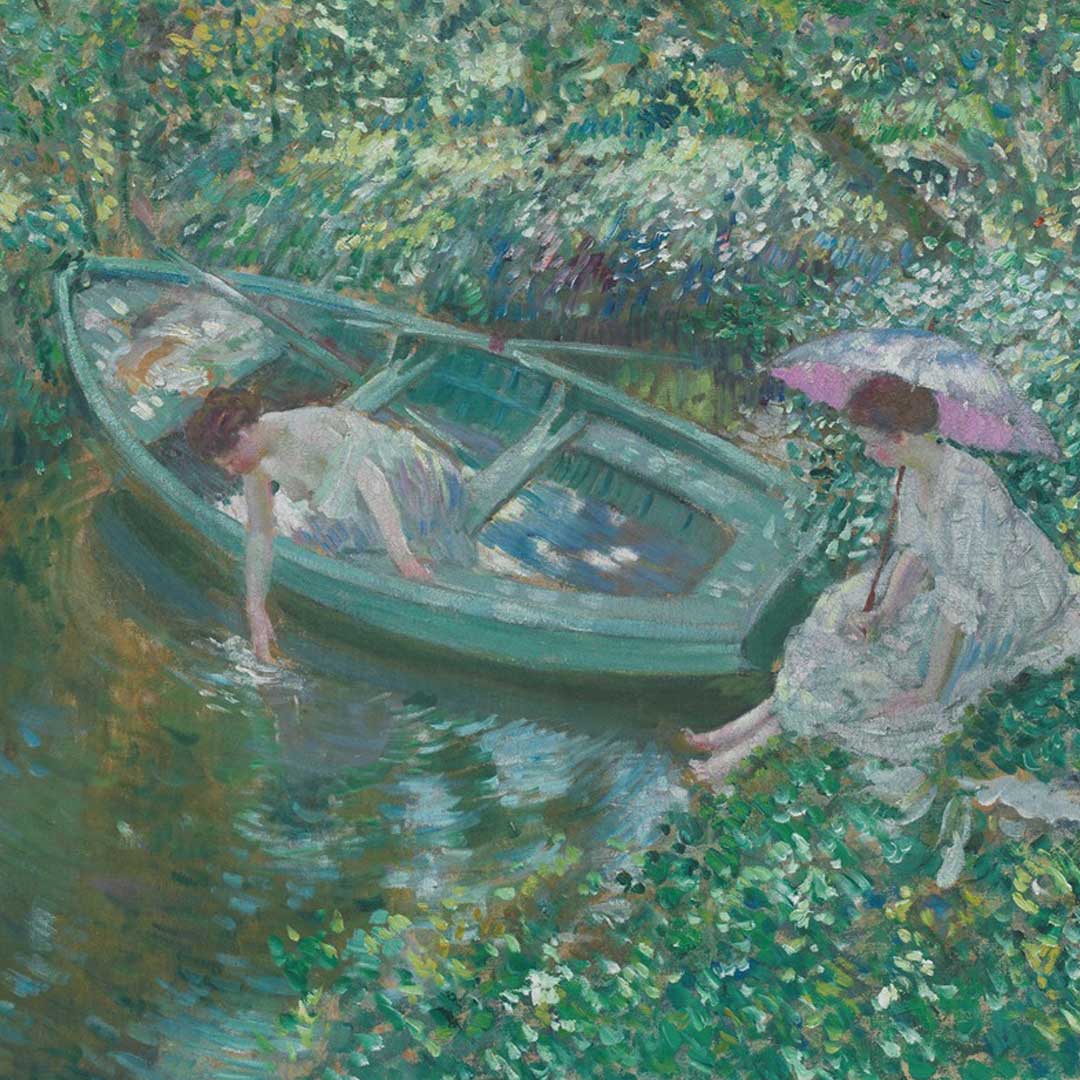
This month's featured artist is Frederick Carl Frieseke, an American painter who spent most of his life in Giverny, just down the road from Monet. His paintings are full of women in gardens, dappled light, long unhurried afternoons with nowhere to be. Looking at his work feels like permission. I think you'll feel it too.
So this issue isn't asking you to make anything urgent. It's asking you to slow down enough to notice what midsummer actually feels like in your body. To paint without an agenda. To let an afternoon be enough, just as it is.
Pour something cold. Let your hands move slowly.

There was a moment in 1873 when Berthe Morisot painted a woman on the grass with a book, an umbrella dropped beside her, doing nothing at all. The woman's face is soft, almost blurred, because she isn't posing. She's reading. It's the kind of moment most paintings before this one would have skipped over entirely, on the way to something that mattered more. Morisot decided this mattered.
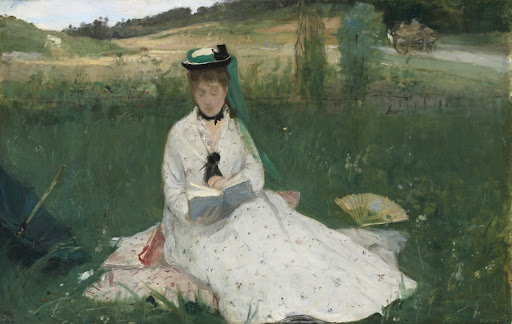
Reading with Green Umbrella
By Berthe Morisot, 1873
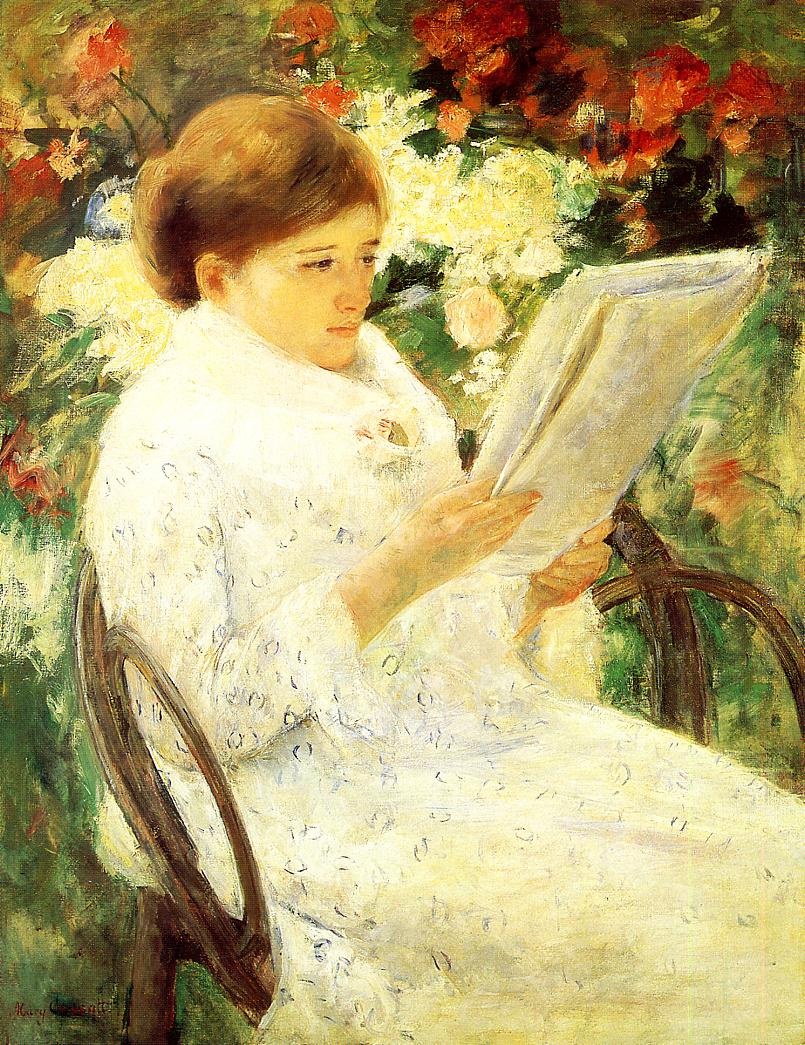
The Reader
By Mary Cassatt, 1877
It sounds simple now. A woman, a lawn, a book, an afternoon. But for centuries, painting had reserved its grandest attention for grander things. History painting glorified battles and gods. Portraiture immortalized status and lineage. Even still life, with all its quiet beauty, was often a study in mortality, a memento mori dressed up as fruit. Pleasure, ease, the unproductive hour, rarely earned a canvas of its own.
The Impressionists changed that, and not by accident. They were painting modern life as they actually lived it, which meant gardens, cafés, riverside afternoons, and women who had nothing in particular to do and weren't ashamed of it. Morisot, working at a moment when women artists were barely tolerated and women in public were expected to be chaperoned, chose to paint domestic leisure not as filler between important events but as the subject itself. Reading (The Green Umbrella) doesn't explain itself or apologize. It simply observes a woman enjoying an hour that belongs entirely to her.
Mary Cassatt picked up the same thread from across the Atlantic, quite literally in some cases, since she lived much of her adult life in France and crossed paths with Morisot's circle. Cassatt painted women reading newspapers, reading novels, sitting at the opera, doing the things that women of her era were rarely shown doing for their own enjoyment. Her sister Lydia appears again and again in these paintings, absorbed in a book, the light falling across the page rather than across a face arranged for the viewer. Cassatt wasn't being political about it, exactly, though the choice carried weight. She was painting what she saw, women given over to their own attention, and treating that as worthy of the same serious brushwork she'd give to any portrait of consequence.
By the early twentieth century, John Singer Sargent took the idea even further, almost to its logical extreme. His 1911 painting Nonchaloir (Repose) shows a woman collapsed sideways into a sofa, one arm flung over her head, utterly unconcerned with how she looks. The French title says it plainly: nonchalance. No task. No audience. No apology. Sargent, who had spent decades as the most sought-after portrait painter of his time, capturing dukes and society wives in their most composed and impressive selves, chose here to paint someone simply tired, simply at rest, and made it one of the most quietly beautiful things he ever produced.
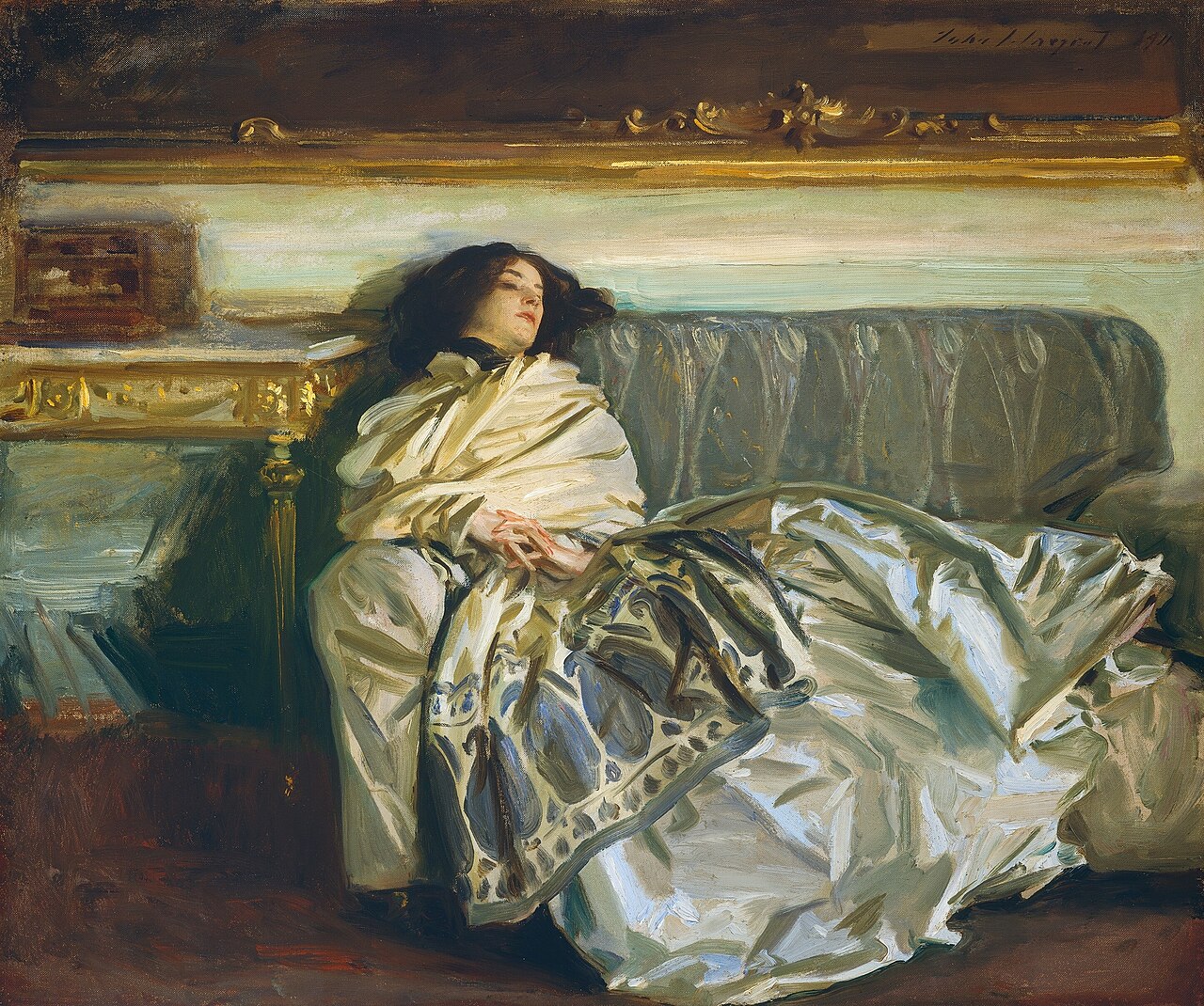
Nonchaloir
By John Singer Sargent, 1911
What connects these three painters across forty years and two continents isn't style. Morisot's brushwork is loose and quick, Cassatt's more structured, Sargent's almost theatrical in its looseness by the time he painted Repose. What connects them is the decision to treat rest as a subject deserving the same care as anything else. Not rest as a reward for finished work. Not rest as a brief pause before getting back to something important. Just rest, painted with the same seriousness as a battle or a saint.
It's worth sitting with how unusual that was, and in some ways still is. We tend to assume pleasure needs justification. We work hard, so we deserve a break. We finish a project, so we earn an afternoon off. Rarely do we grant ourselves an hour simply because the hour exists and we're alive inside it. Morisot, Cassatt, and Sargent painted women who had stopped asking permission. They were reading, resting, daydreaming, and the canvas didn't need to explain why.
That's a useful thing to remember in the middle of summer, when the days are long enough to feel a little wasteful and the temptation is to fill them anyway. These painters looked closely at women doing nothing in particular and decided the looking itself was worth doing seriously. Maybe that's the real inheritance here. Not a technique. A permission.
I drew a portrait last week with my non-dominant hand. I'm still not sure why. I wasn't trying to practice anything or loosen up for real work. I just felt the pull to make a face appear on the page, and for some reason my left hand wanted to do it. The proportions came out strange. One eye sits higher than the other. And the whole time I worked on it, a question kept tapping at me. What's this for?
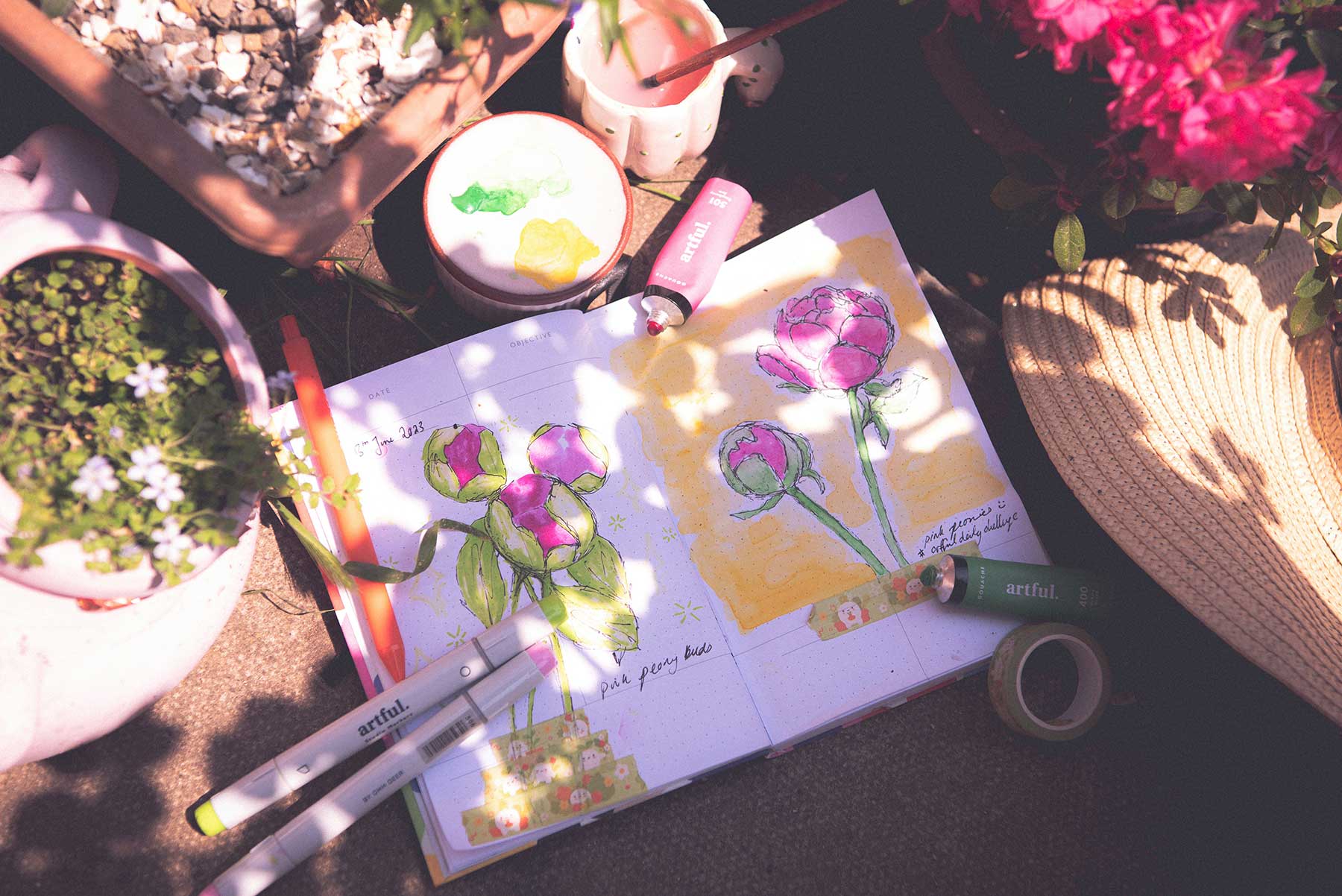
That question is so familiar I almost don't notice it anymore. It shows up whenever I make something without a plan attached. Is this a finished piece? Will it lead to one? Is this a good use of an hour I could have spent on the actual work? The voice asking sounds reasonable. It sounds like the responsible part of me.
But think about Morisot for a second. The woman reading on the grass, the umbrella tossed aside. Morisot didn't paint that because it would sell or prove a point or build toward a show. She painted it because the moment was in front of her and she wanted to look at it closely. No second reason waiting behind the first.
Most of us never learned that wanting to is enough. We learned that art needs somewhere to go. A series, a portfolio, a point. So we treat the things we make purely for the pleasure of making them as a kind of indulgence, fine occasionally, but not the real work.
I'd like you to indulge anyway this month.
Make something with no destination. Not a study for a bigger piece, not practice, not warm-up. Just the thing, made because making it sounds good right now. And if you step back and think well, that was pointless, I'd gently suggest the opposite. That might have been exactly the point.
Because the pleasure itself is doing something. Reverie, rest, making without an agenda, these aren't empty hours. They're freeing. They soothe and settle something in us that all the striving never reaches. Not every drawing has to be shared or posted or folded into something bigger. Sometimes a piece of art is just energy moving through you and onto the page, and that is a worthy thing on its own. It doesn't owe anyone an explanation, least of all you.
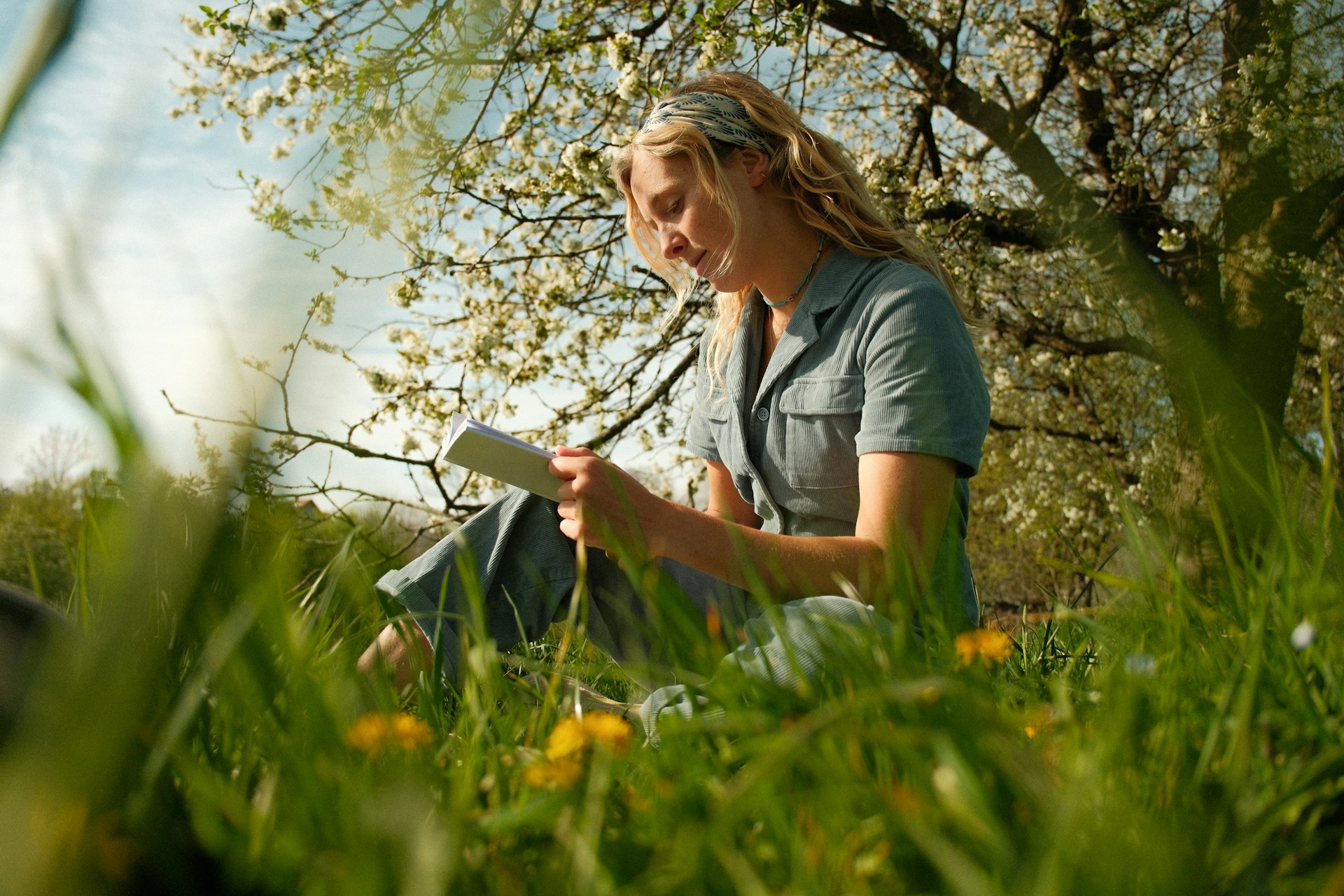
The resistance will still come. Mine always does. Some part of you will want an accounting of the hour, proof it was spent well. You don't have to win that argument. You just have to keep going while it natters on.
That lopsided left-handed portrait is sitting on my desk right now. Nobody will ever see it but me. I made it for no reason at all, and it did me more good than half the things I've labored over for weeks.

According to the Oxford English Dictionary, reverie is defined as a state of being pleasantly lost in one's thoughts; a daydream.
It's an old word, and it sounds like one. Nobody says "I was in a reverie" the way they'd say "I was distracted." Reverie has no apology in it. It's not a lapse in attention. It's attention turned somewhere else entirely, somewhere soft.
We tend to treat daydreaming as the opposite of work. The mind wanders, so the hands stop. But for an artist, reverie isn't a break from the practice. It often is the practice, just before it has a shape.
Think of the last painting you loved making. Chances are it didn't start with a plan. It started with your eyes drifting somewhere, your hand following before your brain caught up. That drift is reverie. It's the part of creativity that can't be scheduled, the part that shows up when you've stopped trying to make it show up.
This month, instead of starting your studio time with an intention, try starting with nothing. Sit. Let your eyes land where they land. Let an afternoon get a little lost before you pick up a brush.
What did I daydream about this week, before I judged it as unproductive?
If I gave my next hour over to reverie completely, with no goal at the end of it, what would I do first?
Let's tap into our creative intuition and do some self-reflective work inspired by our theme. Below you will see our month's Oracle/Tarot card spread. But fear not, if you are not one drawn to using oracle or tarot cards, no worries, just use the accompanying reflective questions as writing prompts for your journals!
Here's a three-card oracle spread that fits seamlessly with our monthly theme. Take a deep breath, grab a cup of tea and enjoy.
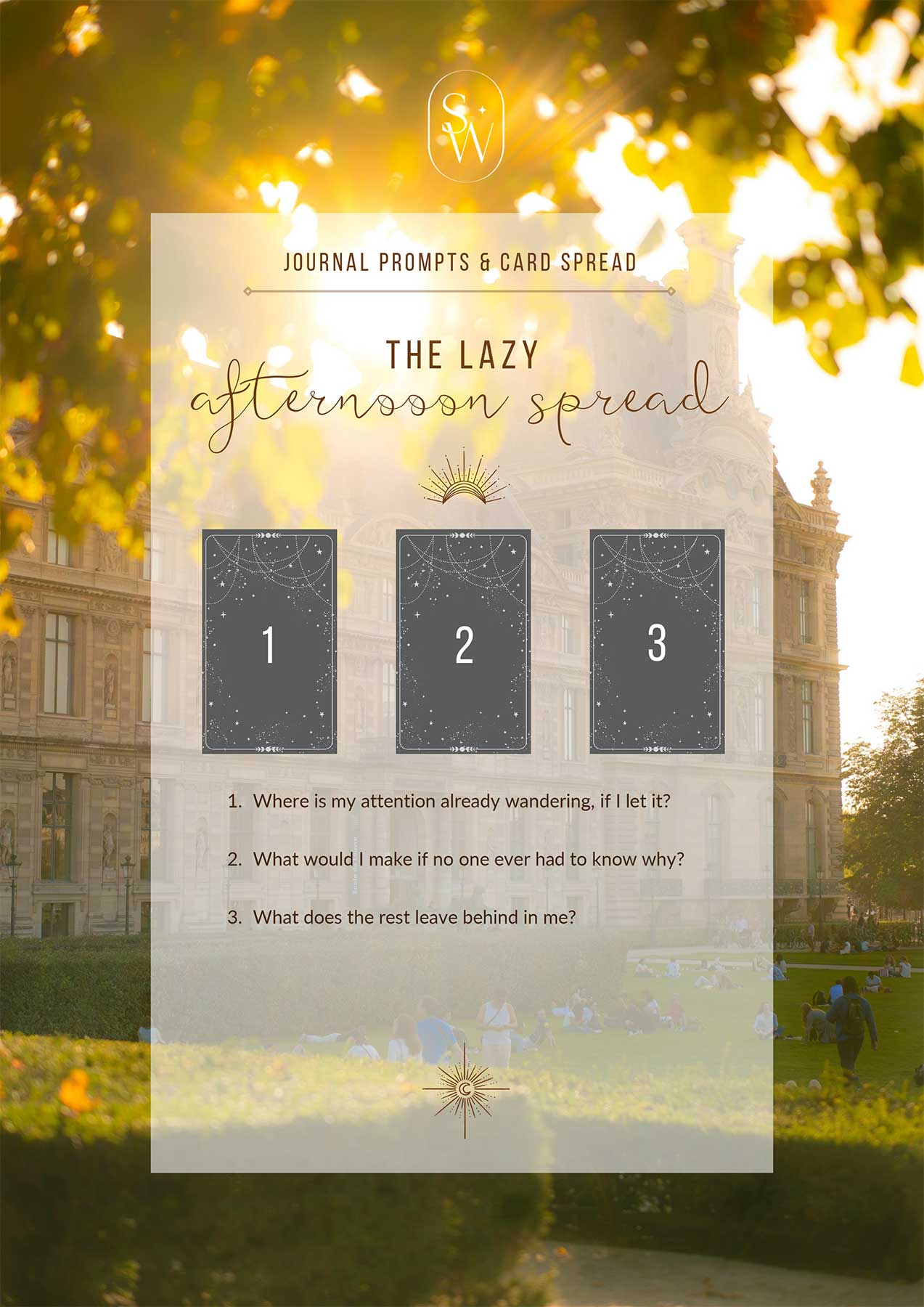
A three-card pause for the creative soul who has been moving too fast to notice.
Card 1: The Drift
Where is my attention already wandering, if I let it?
This card names the daydream you keep half noticing and pushing aside. It might be a color, a memory, a particular slant of afternoon light, a subject you keep circling without committing to. Reverie usually starts here, in the wandering you dismiss as unproductive before you've even let it finish a thought.
Journal Prompt: What has my mind kept drifting toward this week, even when I told it to focus on something else?
Card 2: The Permission
What would I make if no one ever had to know why?
This card asks you to set down the question of purpose entirely. Not every hour in the studio needs a destination. This is the permission card, the one that says pleasure alone is reason enough, and that an afternoon spent making something for no one is not a wasted afternoon.
Journal Prompt: What is one thing I've wanted to make purely because it sounds enjoyable, with no plan for what happens to it after?
Card 3: The Afterglow
What does the rest leave behind in me?
This card reflects what reverie actually gives back once you let yourself have it. Not productivity, not a finished piece necessarily, but something quieter. A settling. A little more ease in your hands the next time you sit down to work. This card honors rest as its own kind of harvest.
Journal Prompt: After I let myself rest or play without an agenda, what do I notice in myself the next day?
Find a quiet, unhurried moment before you draw your cards, ideally somewhere comfortable rather than at your desk. As each card turns, pause before interpreting it. Notice your first physical response, the small shift in your shoulders, the breath that comes a little easier. This spread works just as well with the journal prompts alone if cards aren't your thing this month.
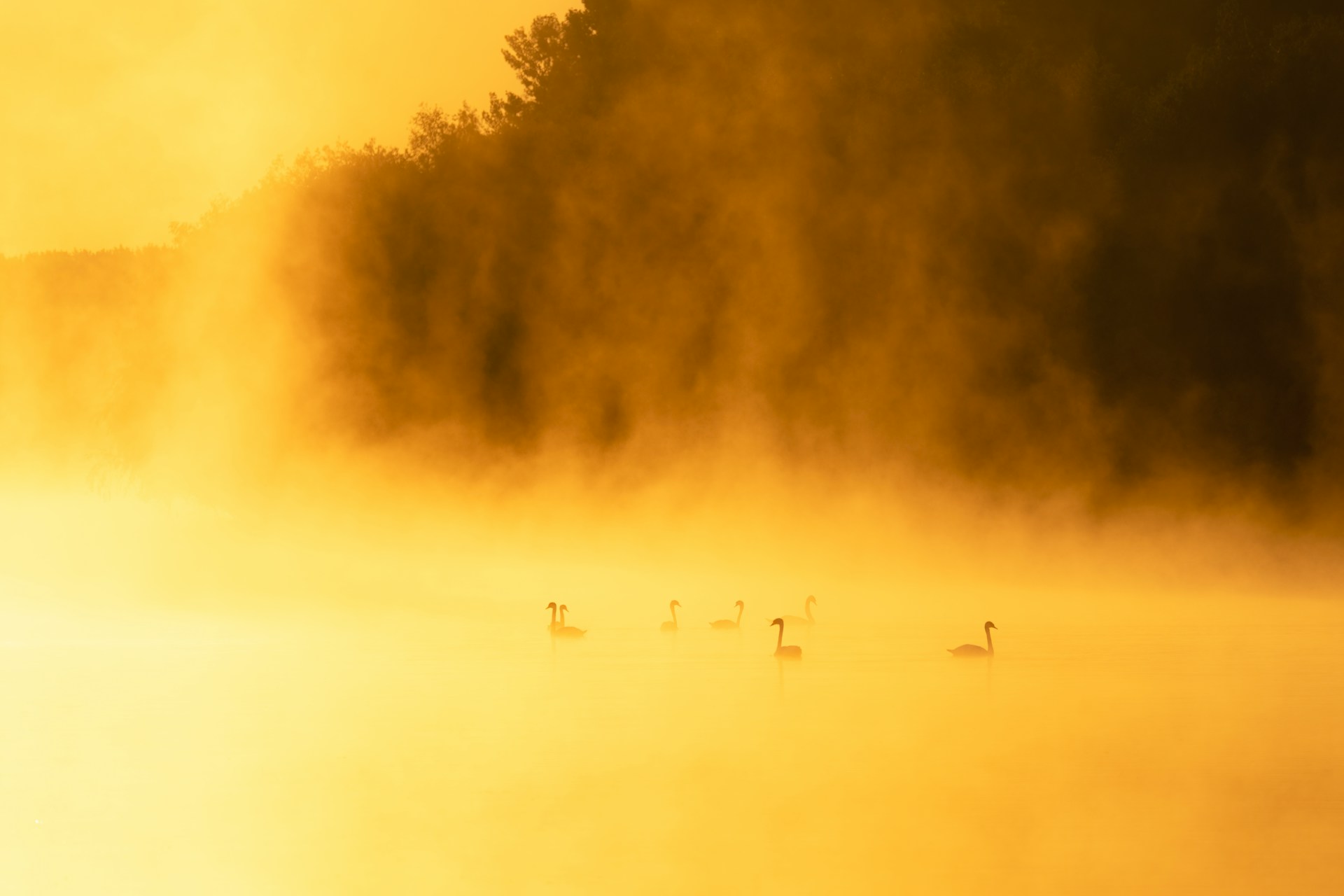
This month's meditation felt almost too fitting once I saw the title. The sacral chakra is where we hold pleasure, creativity, and our capacity for ease, exactly the territory this whole issue has been circling. Rachel has created something that lets you settle into golden, end-of-day stillness, the kind that asks nothing of you but your attention. I'd suggest listening somewhere comfortable, maybe even outside if the evening light is doing something beautiful where you are. Let yourself drift the way you would at the edge of a lake at sunset, with nowhere left to be and nothing left to prove.
Here's a little more information from Rachel…
This guided meditation and visualisation leads you to a beautiful lake at sunset. Here, we gently soften, release what may be holding us back, and relax into our creativity, our sensuality, our self love, and flow. This is a very feeling practice with energetic deep diving. Please note there is no ending bell or words in this practice, and there is 5 mins of music at the end, for you to simply flow.
xo,
Rachel
Each month we will have a positive affirmation. I recommend you print out this affirmation and put it in your sketchbook or somewhere in your studio. Recite the affirmation out loud each time you show up to create. Saying words aloud is powerful and can begin to re-write some of our own limiting beliefs or calm our fears. Try it now…
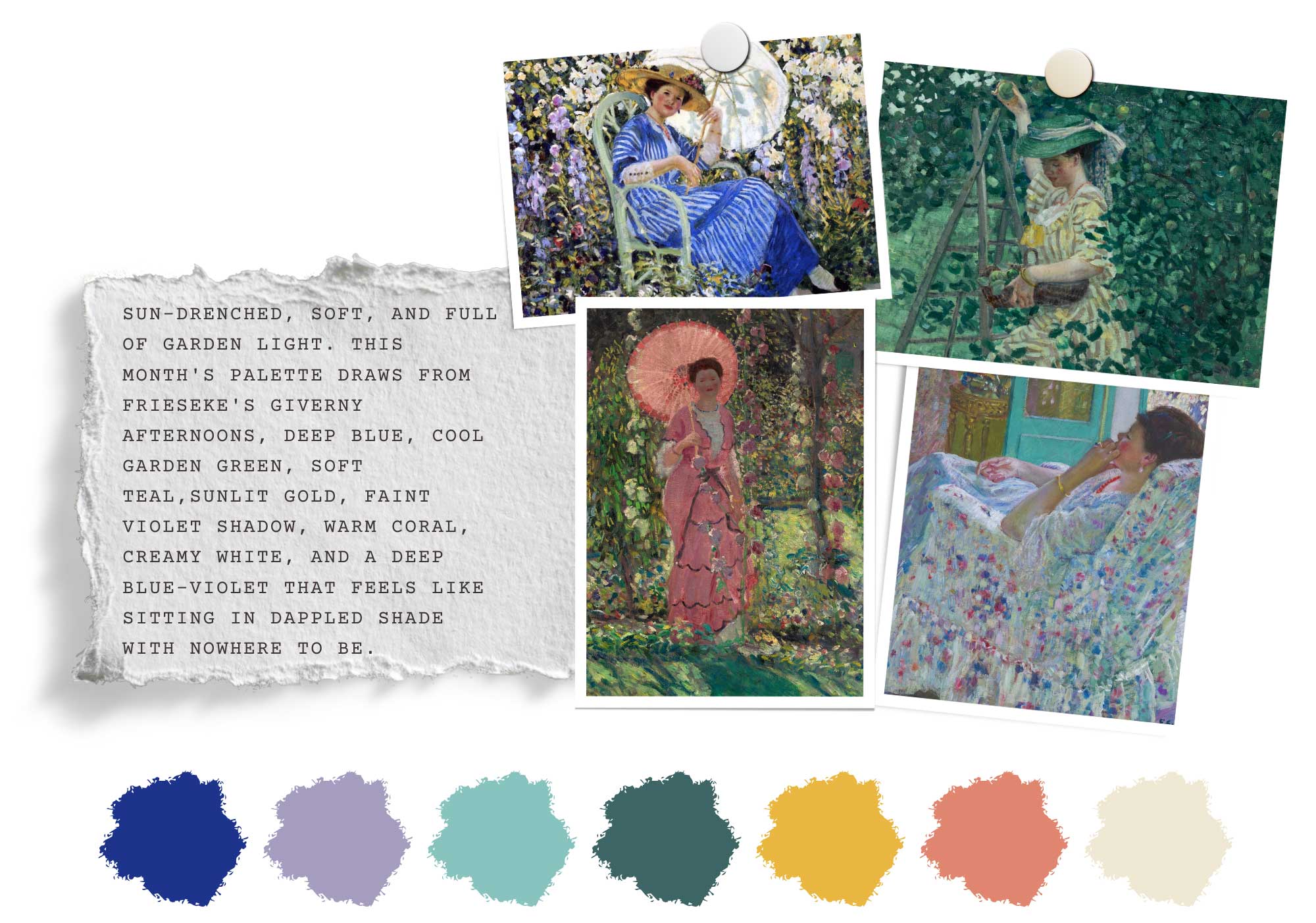
This month's palette comes straight from the garden Frieseke spent fourteen summers building and repainting. He wasn't interested in muted restraint the way some of his contemporaries were. He wanted color that practically vibrated, the kind of saturation you only see when bright sun hits something already vivid. His palette during those Giverny years was famous for capturing what light does when it has flowers and fabric and skin to play with.
Garden green anchors everything, a cool, leafy mid-tone that holds the whole composition together. Hot gold moves through it in patches, the color of direct sun hitting a path or the edge of a hat brim. Violet shows up in the shadows, since Frieseke understood that shade is never simply gray, it carries color too, usually something cool and faintly purple. Creamy white lifts the whole palette, standing in for the white dresses and parasols that appear again and again in his work. A warm coral pink adds the floral note, hollyhocks and roses caught in full bloom. And a deep blue-violet, almost indigo, grounds the darkest passages so nothing floats away into pure brightness.
Let the green and gold carry most of the work. Use the violet generously in your shadows rather than reaching for gray or black. Save the coral for small, bright accents, a single flower, a ribbon, a patch of skin in full sun, rather than spreading it everywhere. This is a palette that rewards boldness. Frieseke never apologized for how much he loved color, and neither should you.
Sunlight only looks like this for a few hours a day. Paint fast, and let yourself enjoy it.
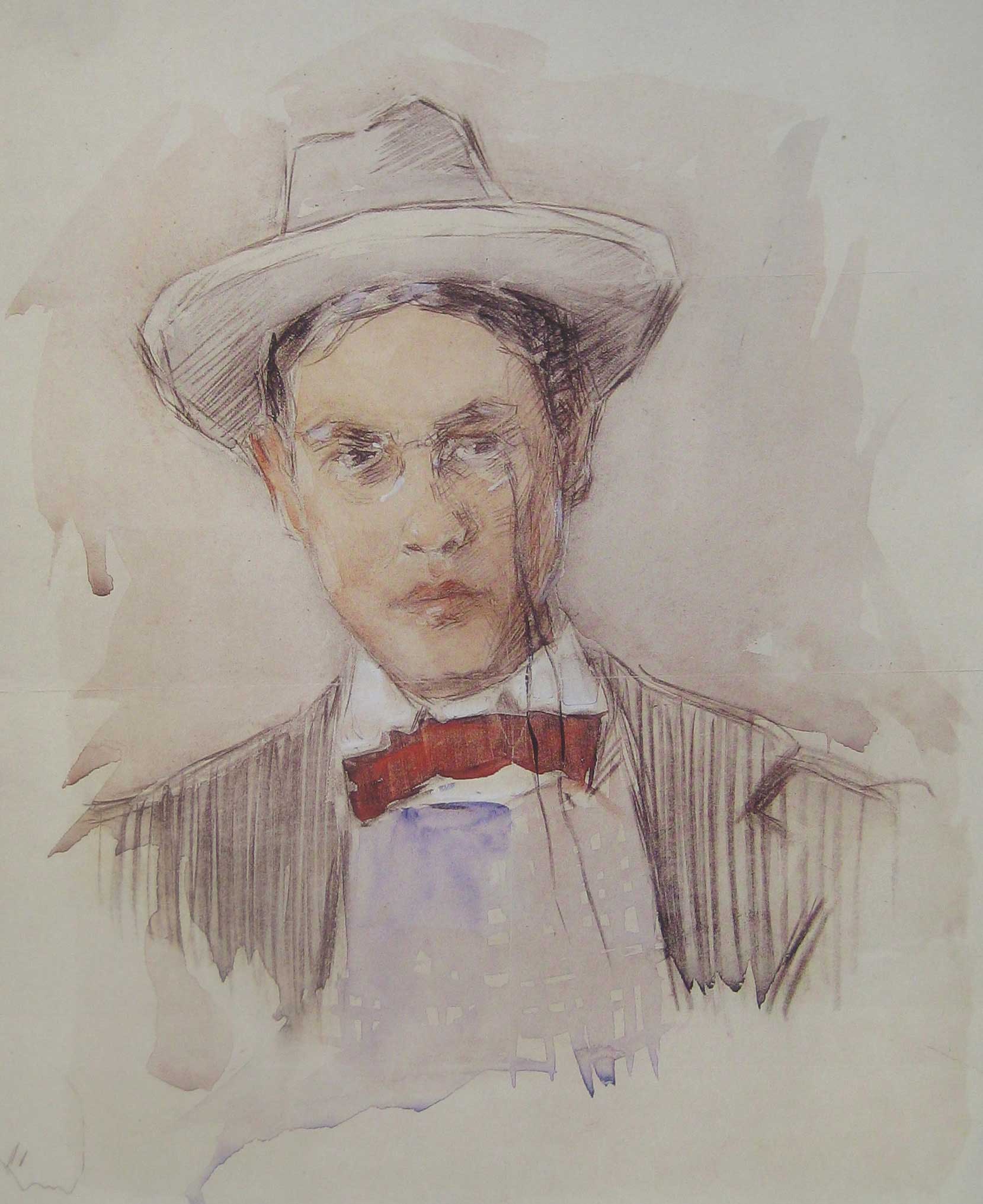
Self-Portrait
By Frederick Carl Frieseke, 1910
In the summer of 1906, Frederick Carl Frieseke rented a small cottage in Giverny, France. The house came with a long garden, and the garden backed directly onto the property next door, which happened to belong to Claude Monet.
For the next fourteen summers, the most famous garden in the history of painting sat just over Frieseke's fence. He could have spent those years studying it, learning from its creator, absorbing whatever Monet was willing to share with a younger American painter living close enough to wave good morning.
He didn't. When a journalist later asked which Impressionists had shaped his work, Frieseke answered plainly. Renoir, he said. Almost no one else. Monet wasn't part of the conversation at all.
That's the detail that makes Frieseke worth knowing properly, rather than as a footnote to his more famous neighbor.
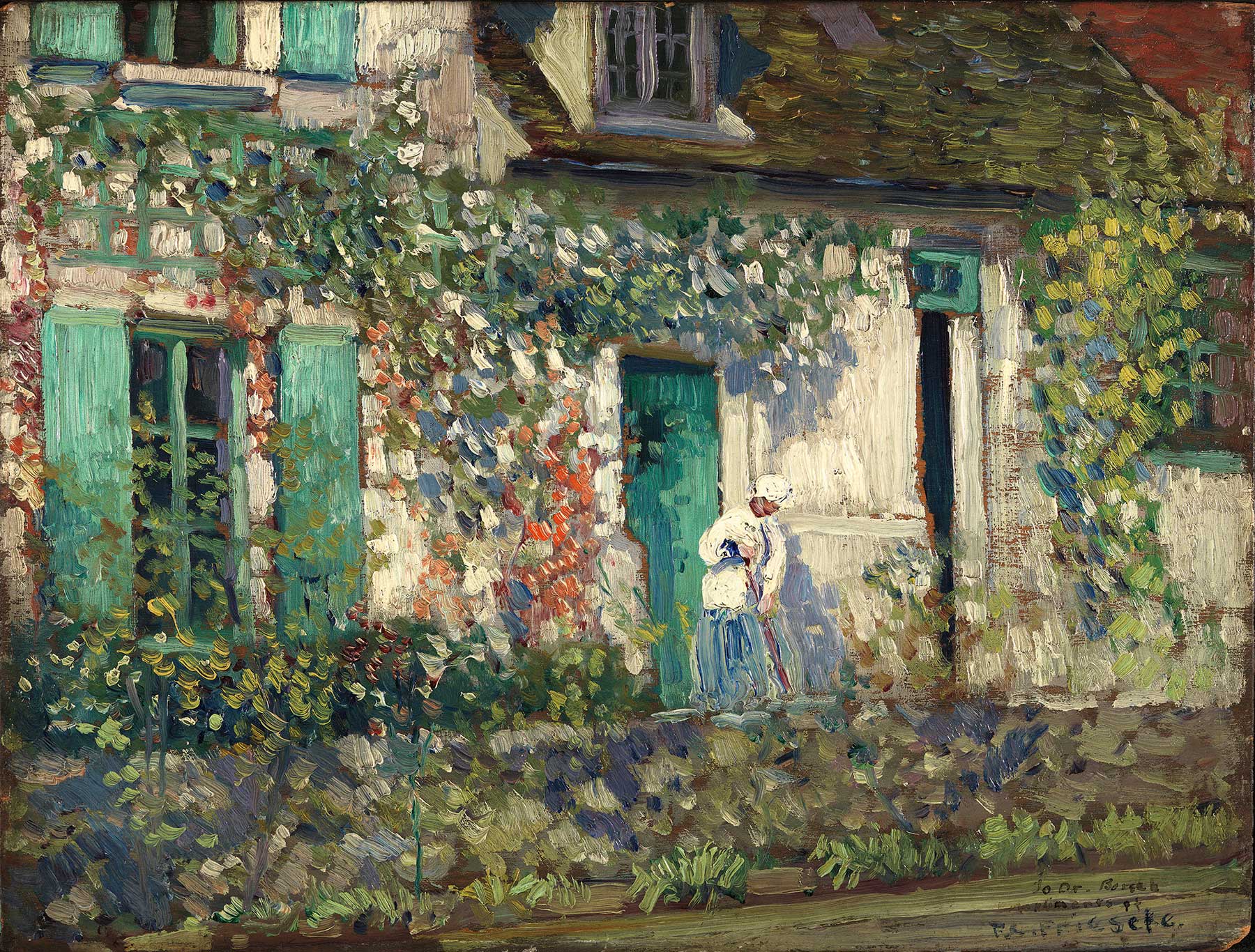
The House in Giverny
By Frederick Carl Frieseke, 1912
Frieseke was born in 1874 in Owosso, Michigan, a small town built partly from the bricks his father manufactured for a living. His mother died when he was six. He grew up more interested in drawing in the margins of his schoolbooks than in anything the other boys cared about, a quiet, bookish child his aunt remembered as simply different.
He trained briefly at the Art Institute of Chicago, then the Art Students League in New York, working as a magazine illustrator on the side to pay for it. In 1898 he crossed the Atlantic to study in Paris, first at the Académie Julian, then under Whistler himself at the Académie Carmen. He never really went home again.
France gave him something he hadn't found in Michigan. Freedom, mostly. He once wrote, while visiting Owosso, that he took a particular pleasure in shocking the local churchgoers with his nudes. He preferred Paris precisely because nobody there cared.
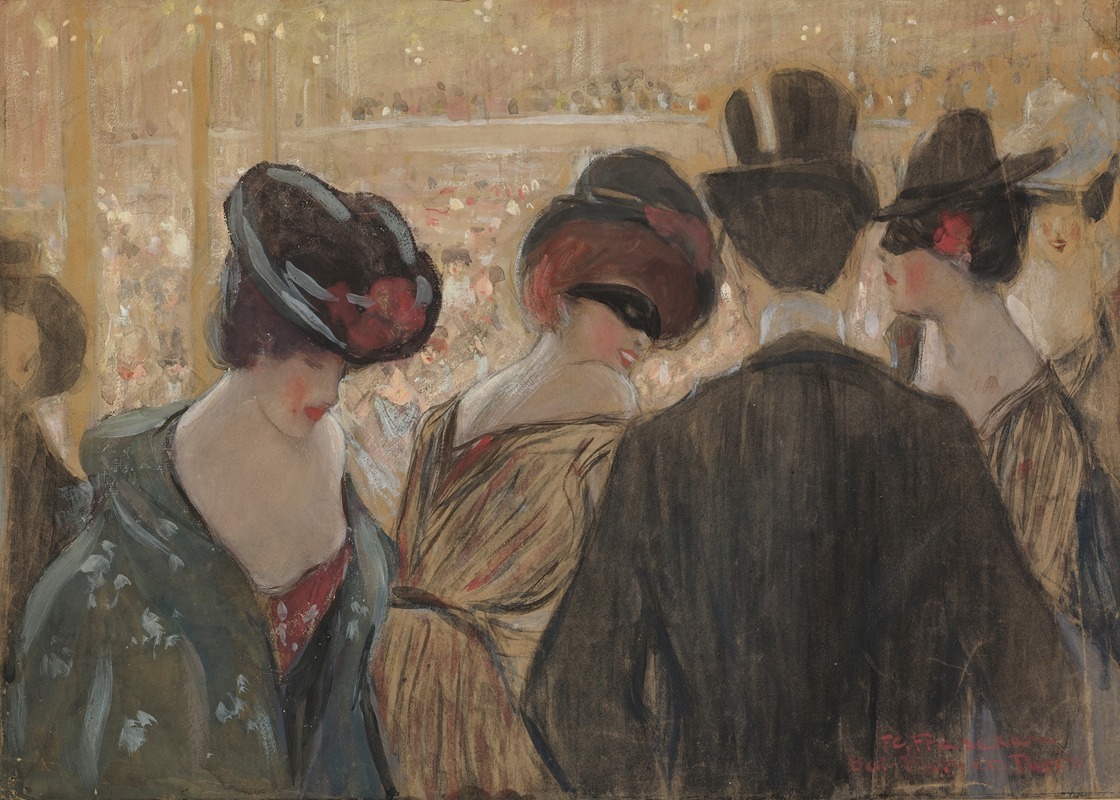
Bal-Bullier
By Frederick Carl Frieseke, 1899
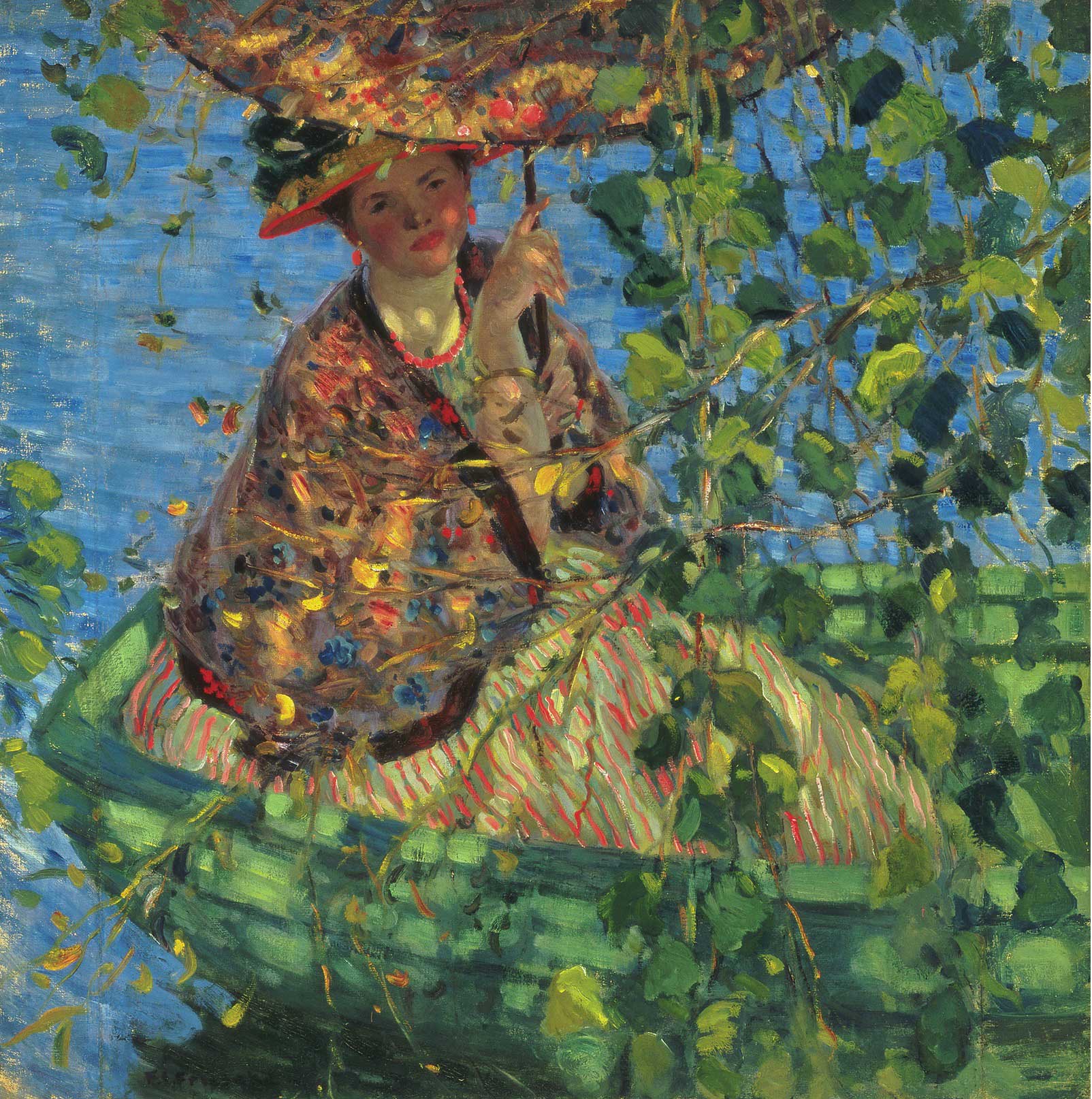
Through the Vines
By Frederick Carl Frieseke, 1908
Frieseke first visited Giverny around 1900, drawn there the way many young American painters were, by the presence of Monet and the colony of artists that had gathered around him. He moved into the cottage next door in 1906, the same year he married Sarah O'Bryan, and the two of them spent every summer there until 1919.
The garden became his entire subject. Women reading in it. Women dozing in it. Women simply existing in patches of dappled shade and blinding sun, surrounded by hollyhocks, parasols, and fabric patterned so boldly it seems to hum against the green. His own description of his ambition was almost embarrassingly simple. Sunshine, he said, on flowers, on girls, on skin, was the thing he wanted to capture, and he wished only that he could get it down exactly as he saw it.
He never quite could, of course. Nobody can. But the trying produced some of the most purely pleasurable paintings in American art, full of color that seems to vibrate rather than sit still.
Critics eventually gave his particular style a name, Decorative Impressionism, recognizing how he merged the light-chasing instincts of his French peers with a bolder, flatter use of pattern that owed more to the Post-Impressionists working nearby than to Monet over the fence. His figures stayed solid and weighted even as the light around them dissolved into shimmer. That tension between structure and dazzle is, more than any single painting, what makes his work his own.
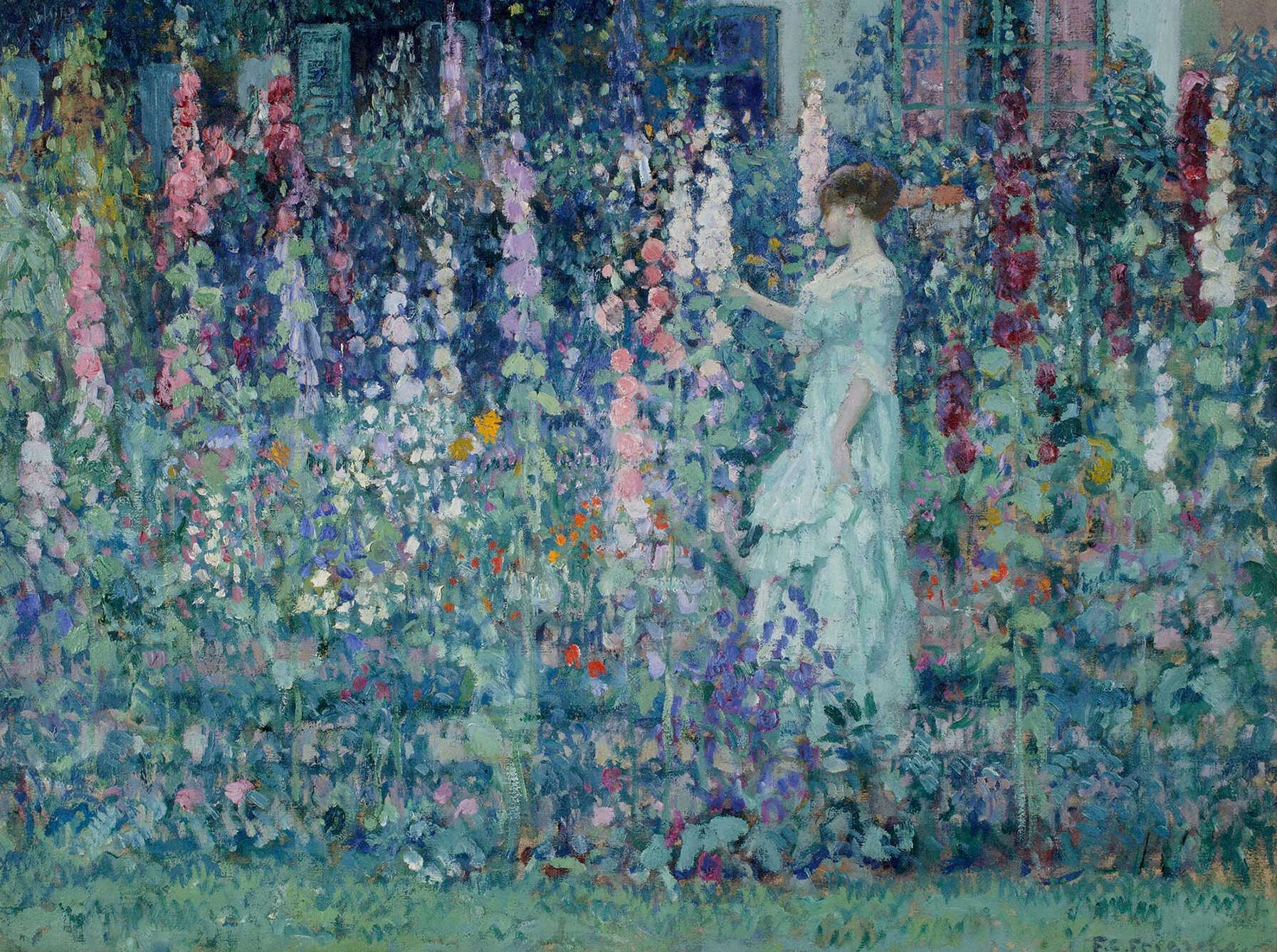
Hollyhocks
By Frederick Carl Frieseke, 1911
It would be a tidier story if Frieseke's success simply continued. It didn't.
After the First World War, tastes shifted hard toward modernism, and Frieseke's sun-drenched gardens started to look, to a new generation of critics, dated and slight. One prominent observer dismissed his paintings as sentimental confections, sweet and sugary in their coloring, a description that must have stung for a man who had spent two decades trying to capture something he considered nearly impossible to catch.
The Friesekes left Giverny in 1920 for a farmhouse in Normandy, partly for the trout fishing and partly because Frieseke wanted to be left alone to paint without performing the role of a famous artist for anyone. His style darkened. The decorative patterns that had defined his Giverny years thinned out, replaced by quieter interiors and a more somber palette.
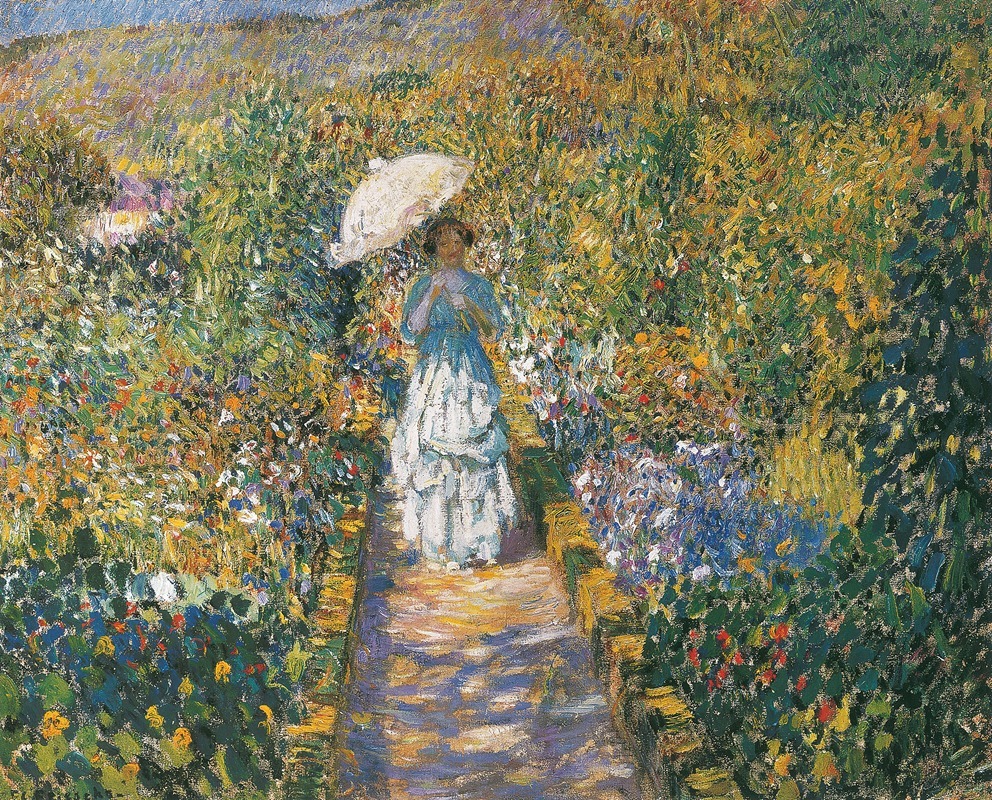
The Garden Path
By Frederick Carl Frieseke, 1912
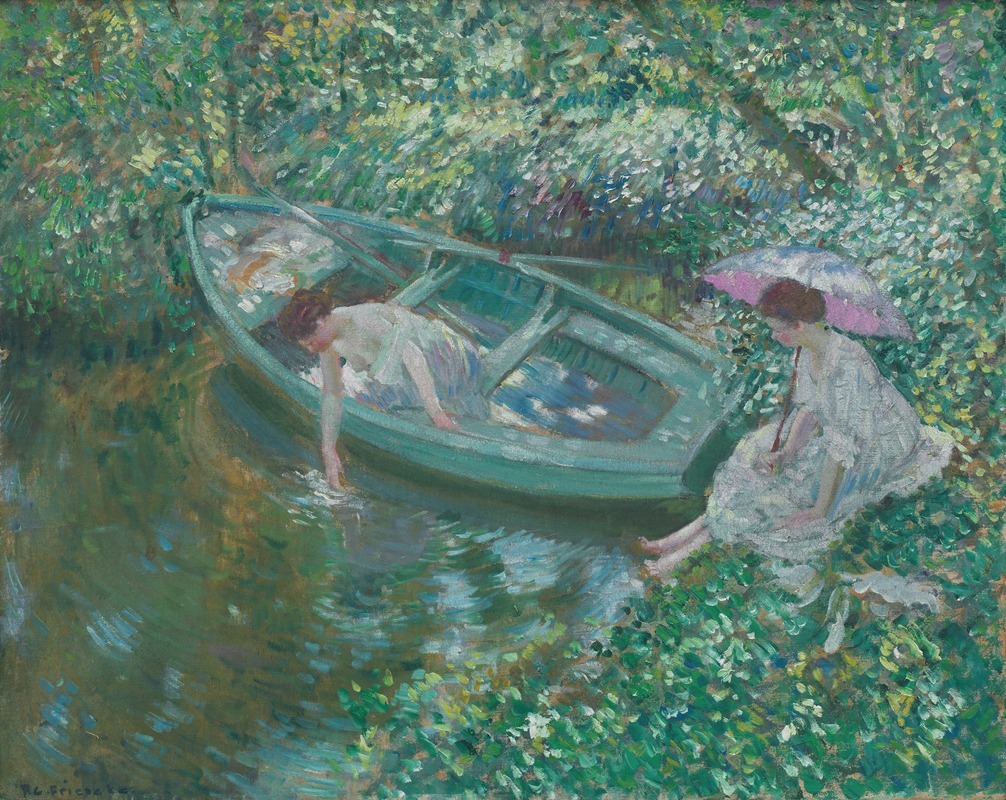
Repose at Noonday
By Frederick Carl Frieseke, 1911
By the early 1930s, his exhibitions had grown rarer and his confidence, by his own account, had grown shakier. He stopped painting for a period, unsettled by uncertainty over his own work. In 1937 he traveled to the United States hoping to relocate permanently and revive a career that had cooled considerably since his triumphant years before the war. After a year, he gave up and returned to France. He developed neuritis in his arm, kept painting anyway, and died at his Normandy farmhouse in 1939.
For decades afterward, his name dropped quietly out of most surveys of American art, overshadowed by painters working in styles that aged, in the eyes of critics, more gracefully than his. It took retrospectives in the 1960s and 1970s to bring serious attention back to his work, and even now he is better known to specialists than to the general public.
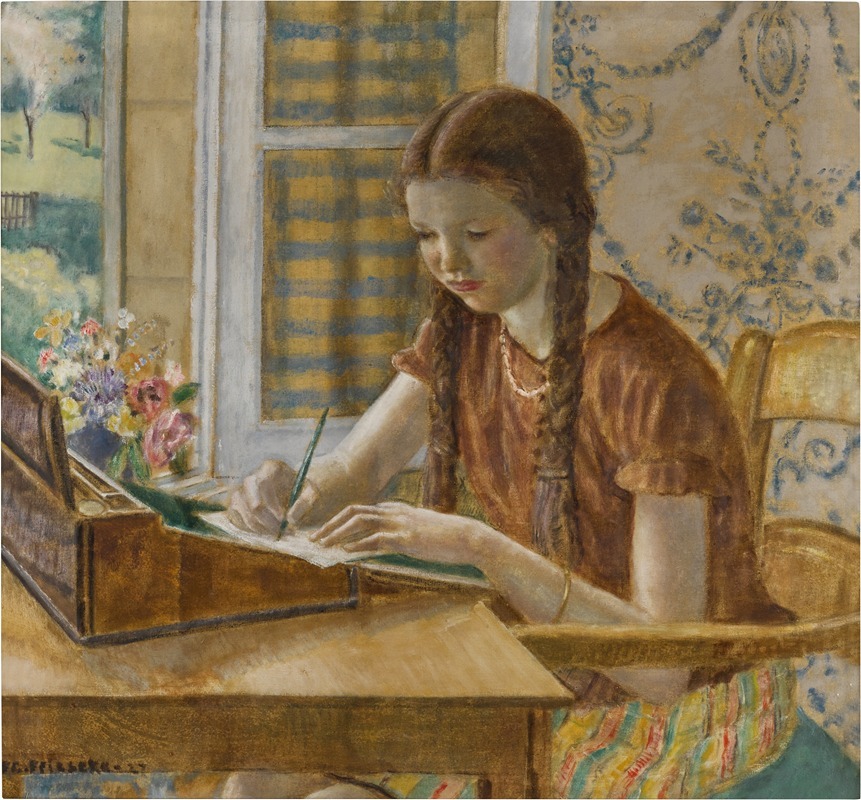
Girl at Desk
By Frederick Carl Frieseke, 1927
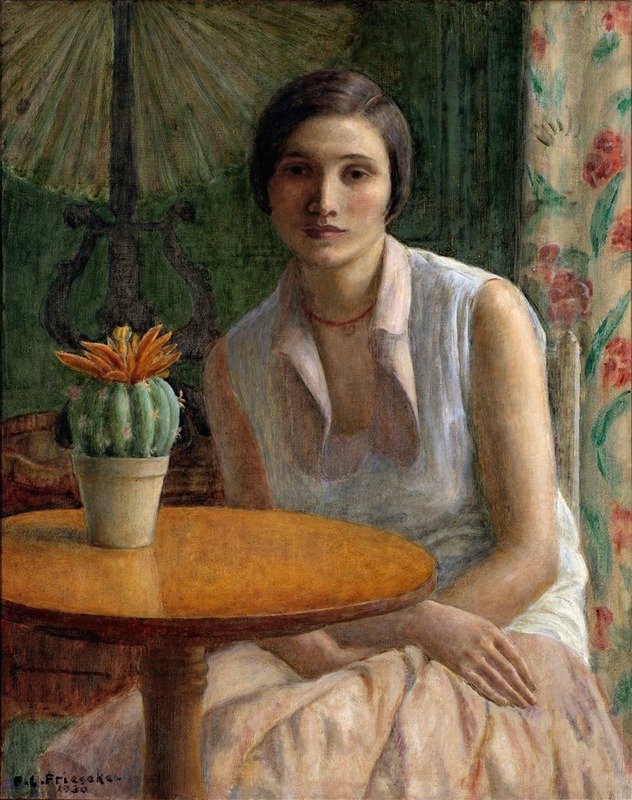
Portrait of Woman with Cactus
By Frederick Carl Frieseke, 1930
What I find most moving about Frieseke isn't the gardens, gorgeous as they are. It's the narrowness of his ambition, and his willingness to stay inside it even as the world moved past him.
He never claimed to be reinventing painting. He wasn't interested in making an argument or a statement. He wanted to catch sunlight on one ordinary afternoon, on his wife's bare shoulder, in the garden he had built with his own hands, and he spent his entire working life trying to get a little closer to that one elusive thing. When the world stopped rewarding him for it, he kept working anyway, in a quieter key, in a smaller house, mostly for himself.
Frieseke didn't fight to stay relevant. He simply kept painting the thing he loved, even after it stopped being fashionable, even after critics called it sugary and slight. He let the work matter more than the reception of it.
Most of us know what it feels like when something we love falls out of step with what's currently celebrated. The temptation is to chase the trend, to retool, to make something more defensible. Frieseke teaches a quieter lesson. Sometimes the work that lasts is simply the work you never stopped loving, made long after anyone was paying close attention.
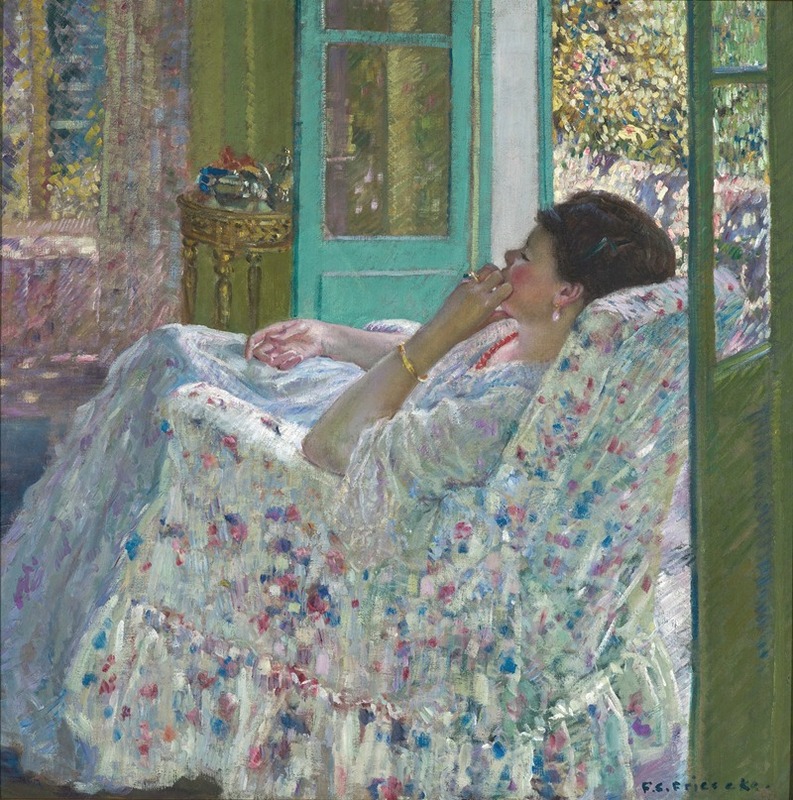
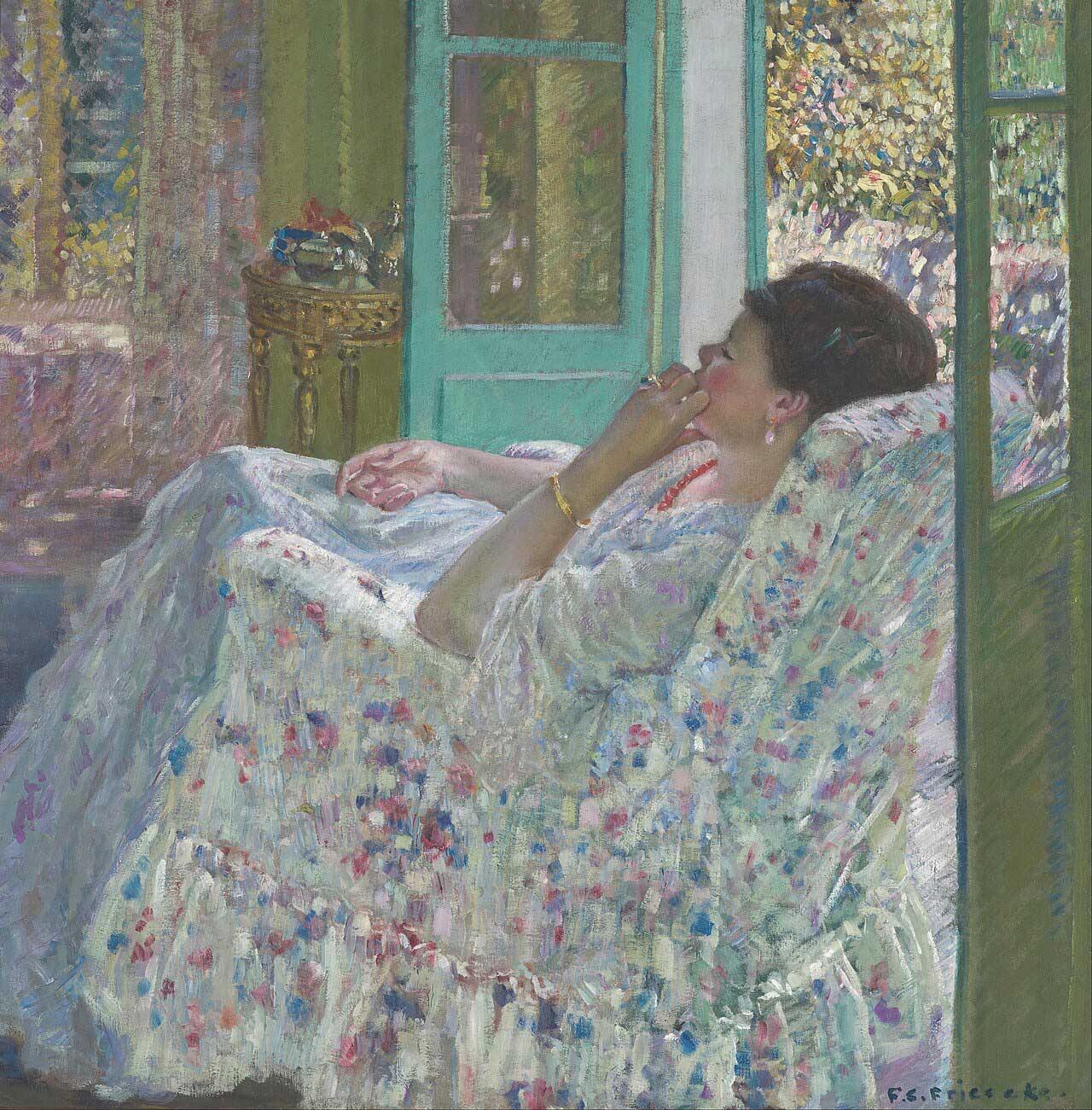
Afternoon
By Frederick Carl Frieseke, 1910
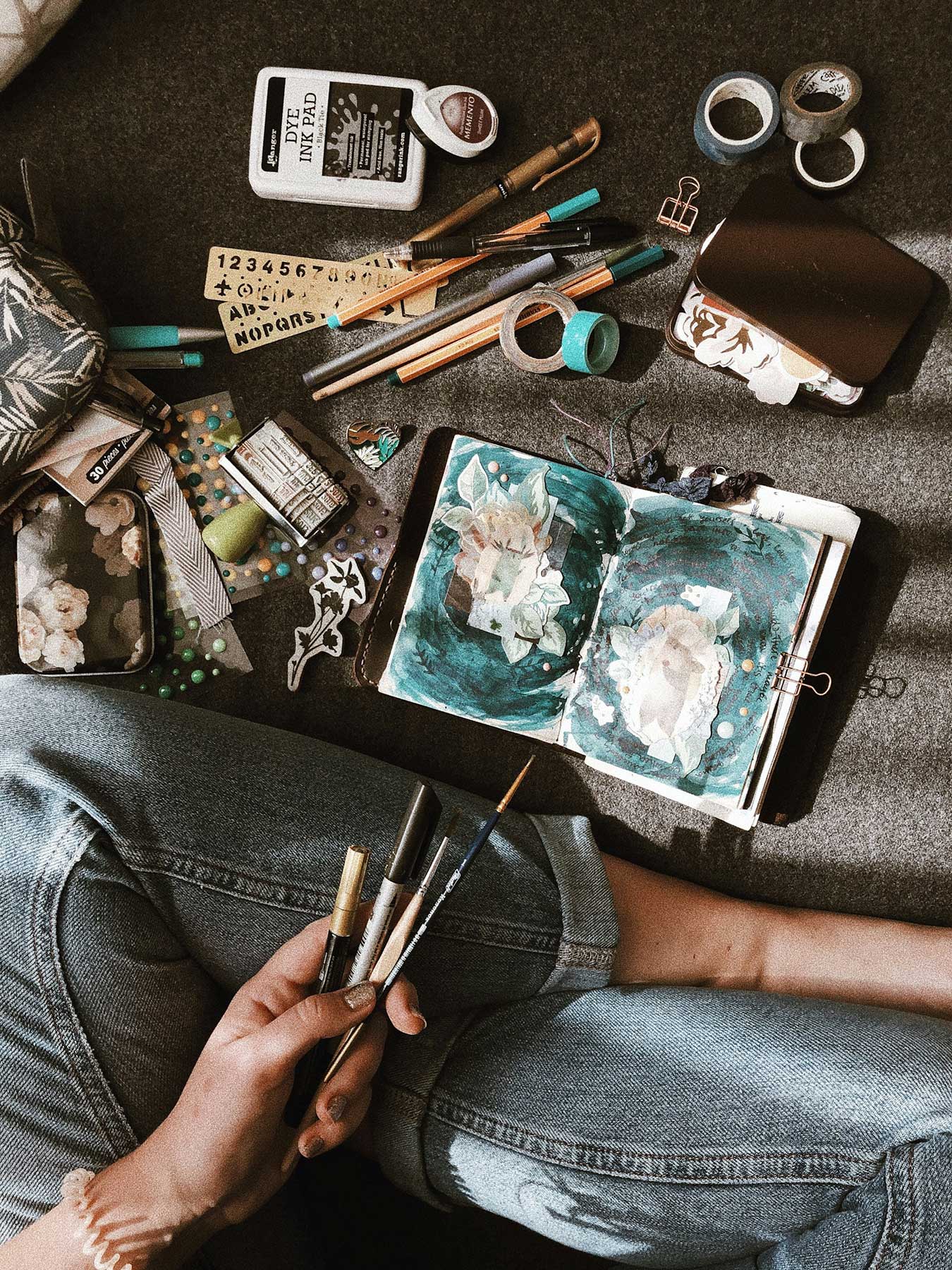
Before you do anything else this month, do this one. Open to a fresh page and set a timer for fifteen minutes. Make something with absolutely no plan. No subject in mind, no technique you're trying to practice, no destination for the finished piece. If your hand wants to scribble, scribble. If it wants to draw a single flower nine times, let it.
The only rule is that you can't ask yourself what it's for while you're making it. If the question creeps in, notice it and keep going anyway.
Reflect: What did you make when nobody, including you, was checking for a reason? Did the lack of a plan feel like freedom or discomfort, or some of both?
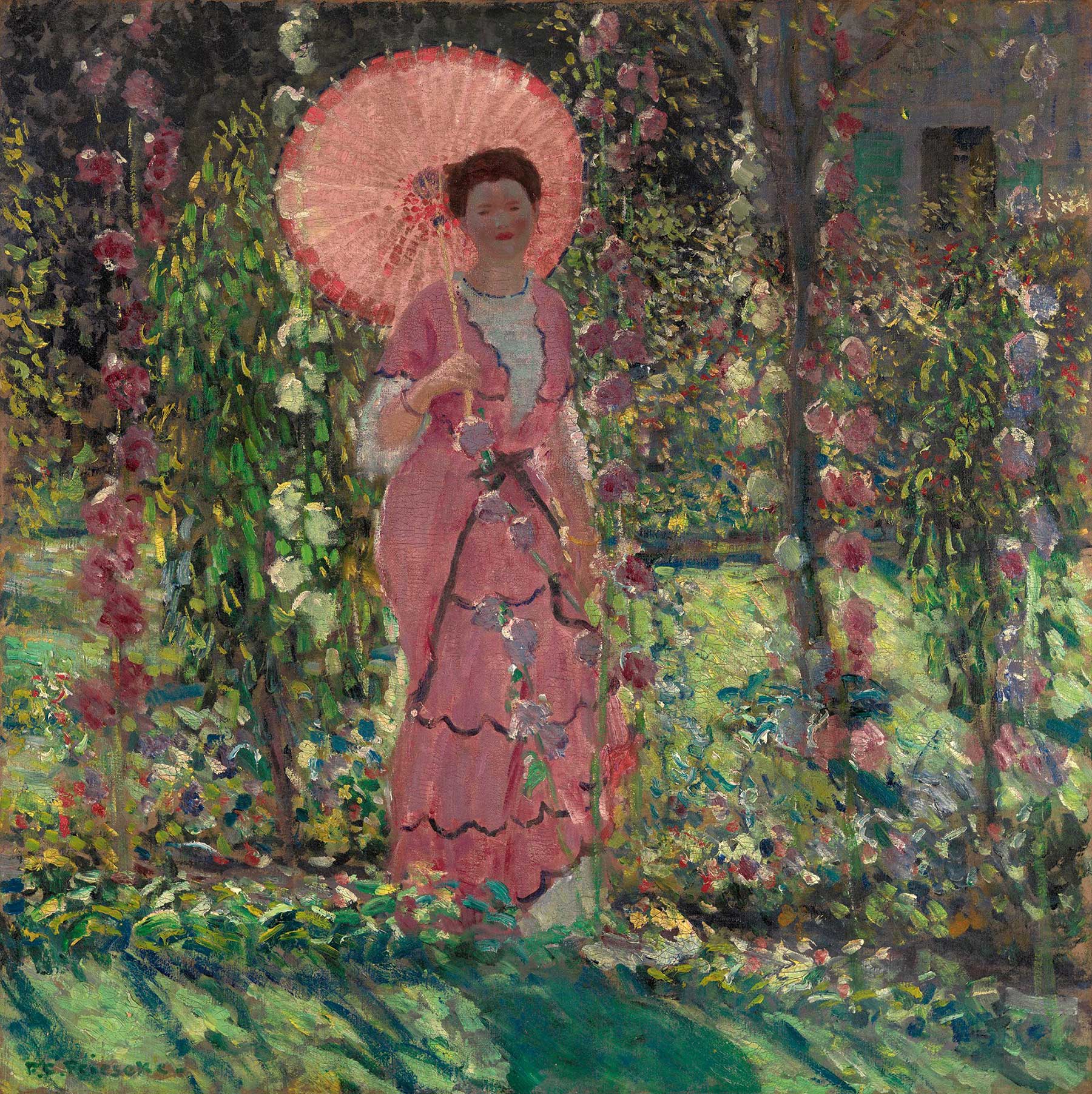
Choose one Frieseke painting that pulls you in, a garden scene, a woman in dappled shade, whatever catches your eye. Spend a few quiet minutes just looking before you pick up a brush. Notice where the color sits warm and where it turns cool. Notice how loose or controlled his marks are in different areas, tighter near the face, looser in the foliage and fabric.
Make a careful copy of the piece. Work slowly. Pay attention to his color choices, especially in the shadows, and try to match his brushwork rather than smoothing it into your own habits. This isn't about producing a perfect replica. It's about letting his choices teach your hand something it doesn't already know.
Reflect: What did you notice about his use of color in the shadows? Did copying his brushwork change the way you see his paintings, or the way you want to use your own?
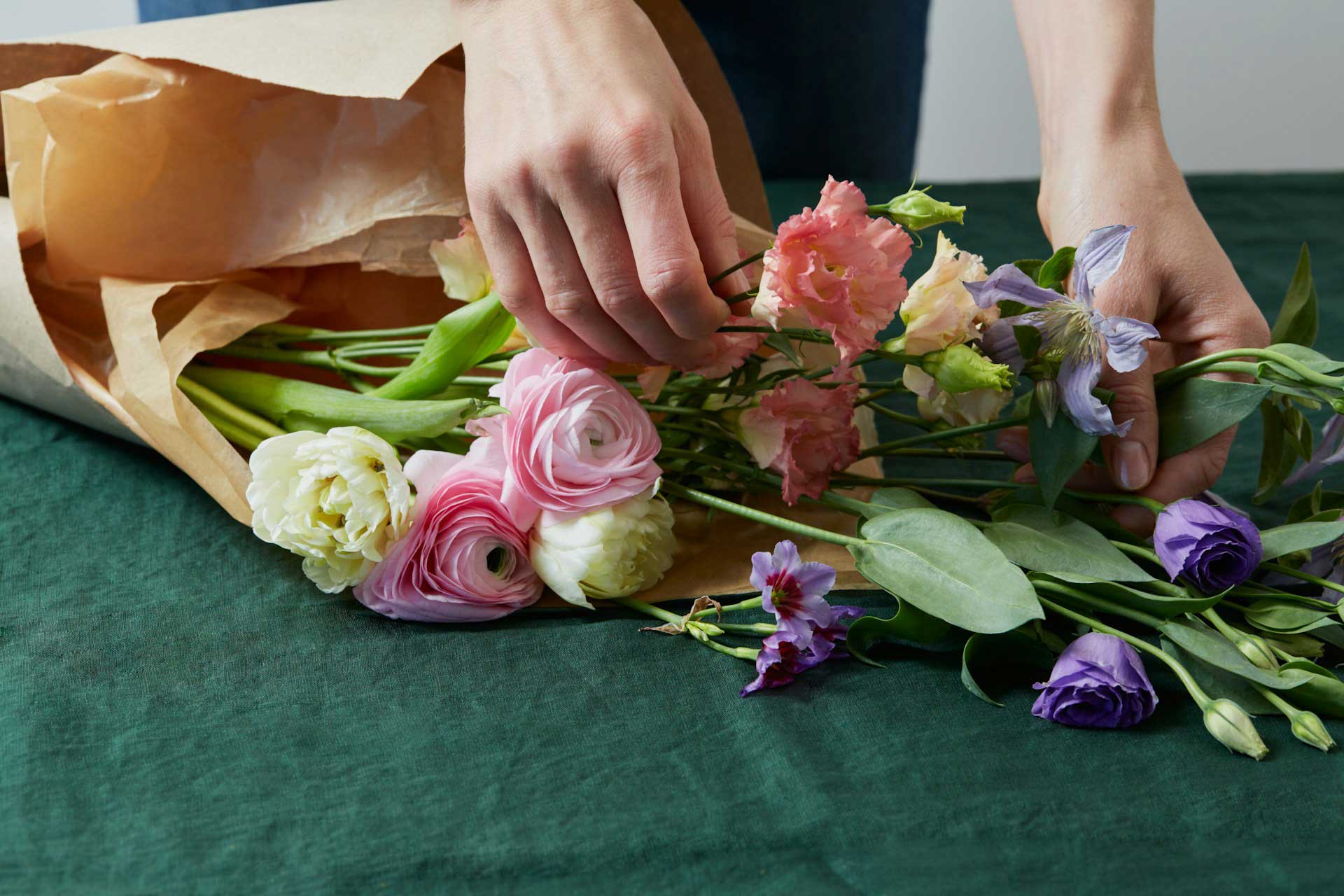
You don't need an actual garden for this one. Gather whatever plants, flowers, or even a single leaf you have nearby, a windowsill herb, a bouquet past its prime, a houseplant that's been ignored all month, and arrange them simply in front of you. Paint or draw them the way Frieseke might, more interested in the color and light moving across them than in getting every petal botanically correct. Let yourself enjoy the arranging as much as the painting.
Reflect: Did you find yourself rushing toward accuracy, or were you able to stay with color and light instead? What changed when "close enough" became allowed?
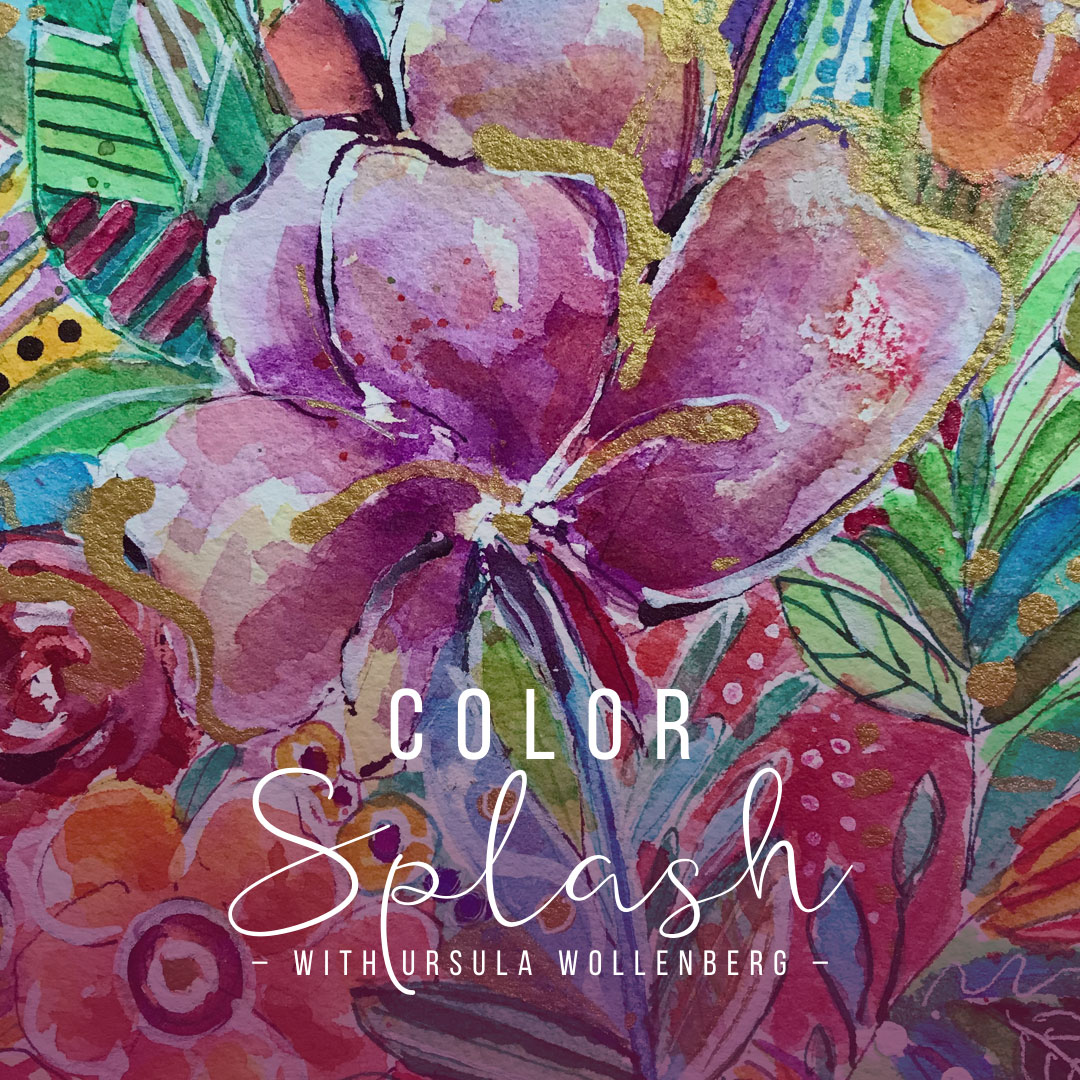
Join Ursula Wollenberg inside her wonderful class, Bloom In Color.
Ursula's class is the perfect companion to this month's artist, Fredrick Carl Frieseke. She opens up the working methods of master painters, the choices behind their color and composition, then hands you the tools to bring that same sensibility into your own work.
Expect a mix of traditional and unexpected mediums, plenty of room to follow your own instincts, and lessons that feel more like painting alongside a friend than following a tutorial. A rich way to spend time with Frieseke's world this month, brush in hand.
You can also listen to this month’s issue of the Studioworks journal. I find I love listening to books, podcasts and music while I draw, paint or go on a long walk. Enjoy.

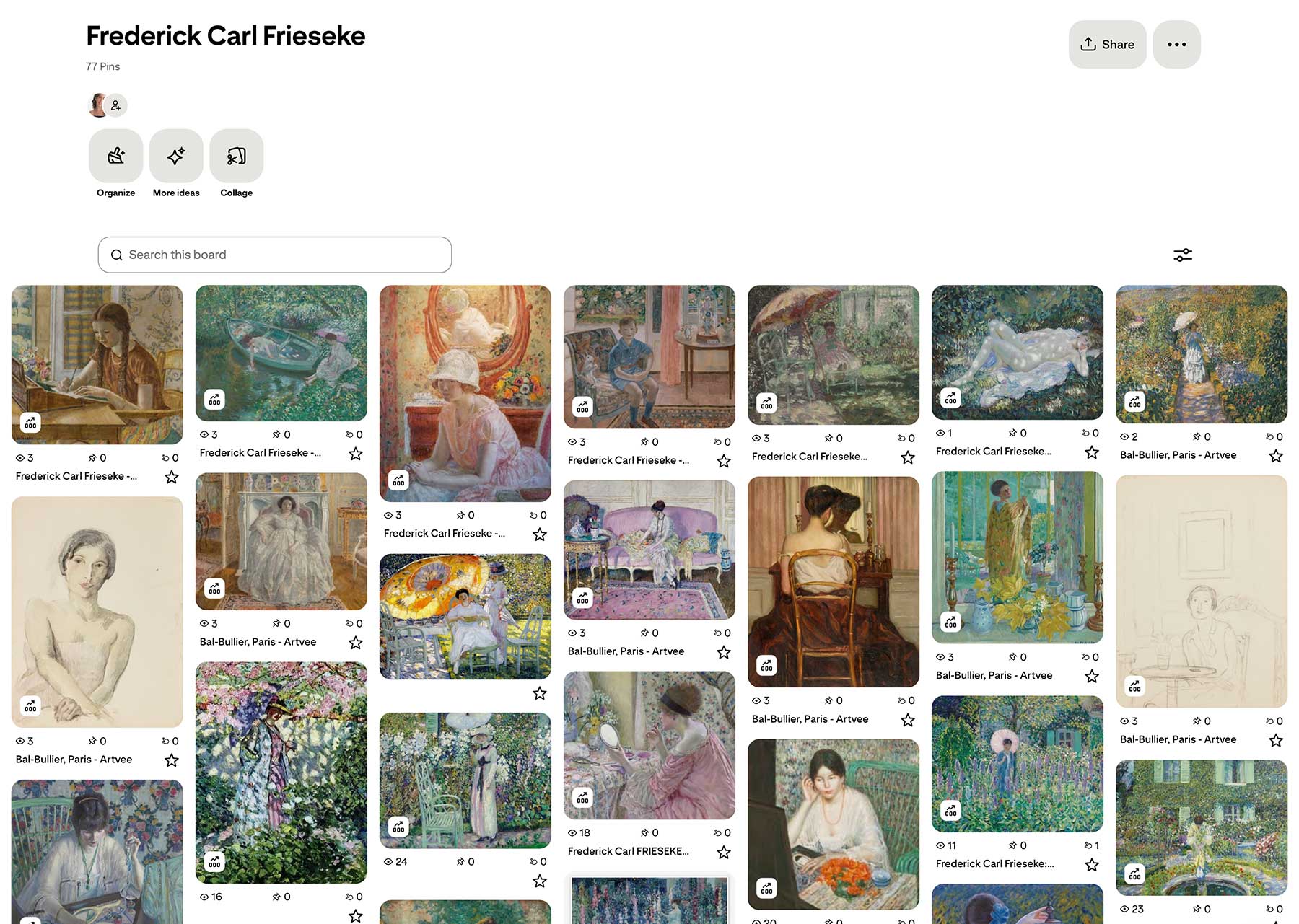
One of my favorite things to do is to curate inspiration. From Pinterest boards to books, resources, playlists and more - I love to share anything that might facilitate learning, expansion, and sparks of curiosity! Being an artist, we naturally crave these things so here are some of this month’s picks from me to you.
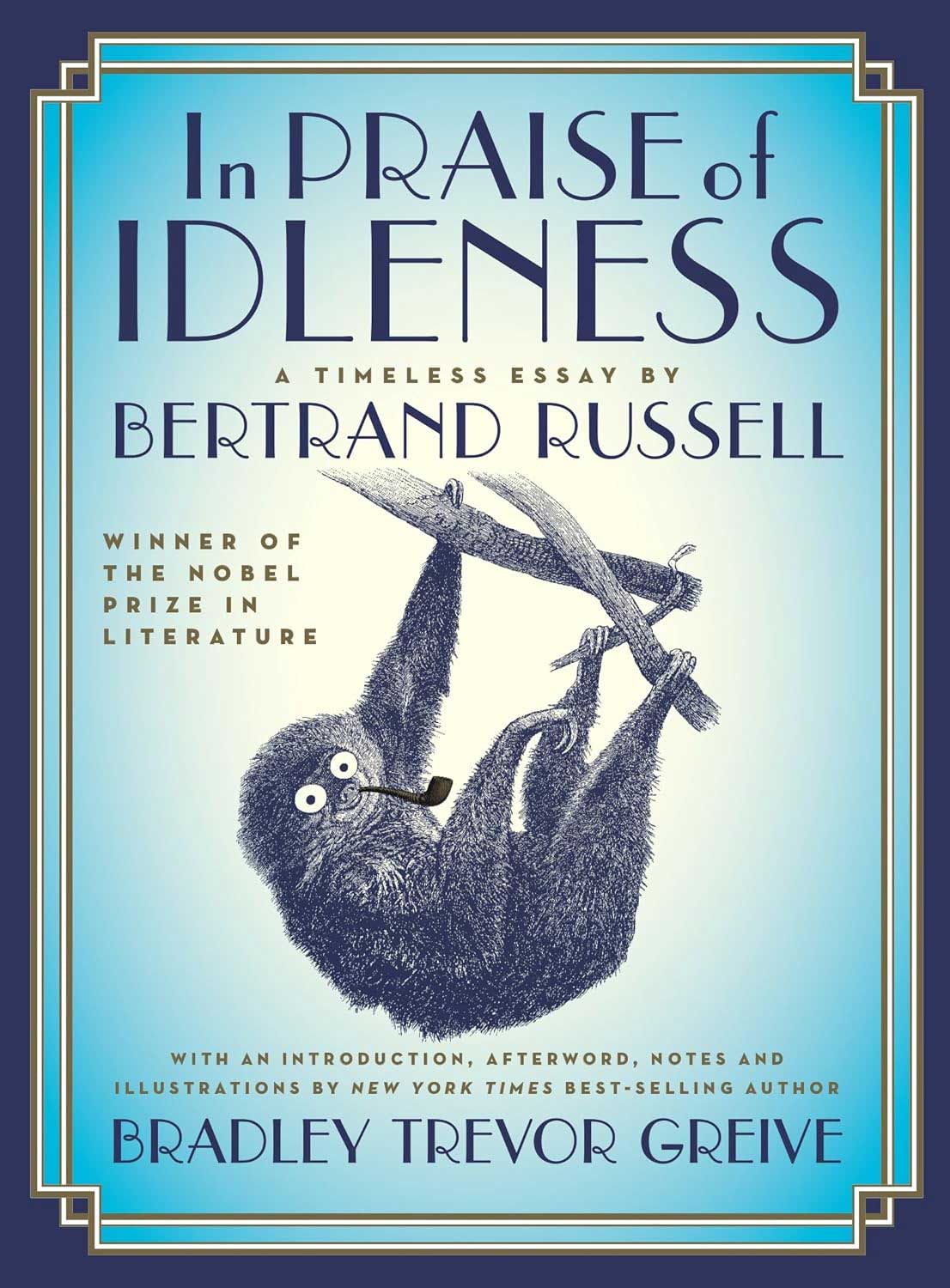
In Praise of Idleness by Bertrand Russell makes the case, almost a century ago, that rest and leisure are not the enemy of meaningful work but the very thing that makes it possible. For anyone who has ever felt guilty for an unproductive afternoon, this slim, sharp little book is permission in essay form.
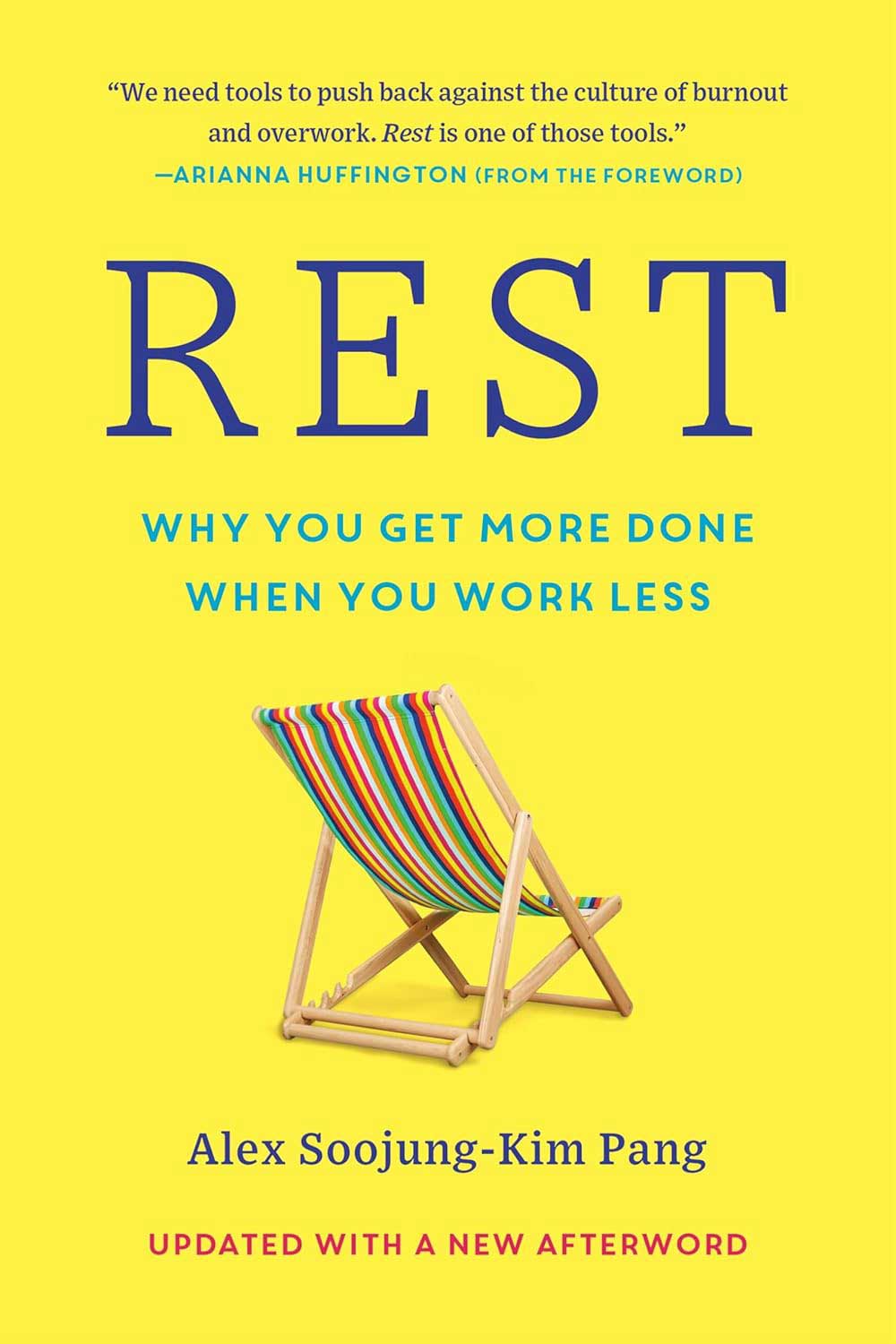
Rest: Why You Get More Done When You Work Less by Alex Soojung-Kim Pang looks at how deliberate, unhurried rest has shaped some of history's most creative minds. It's a wonderful, research-backed companion to this month's theme, proof that reverie isn't a detour from a creative life but part of how one is built.
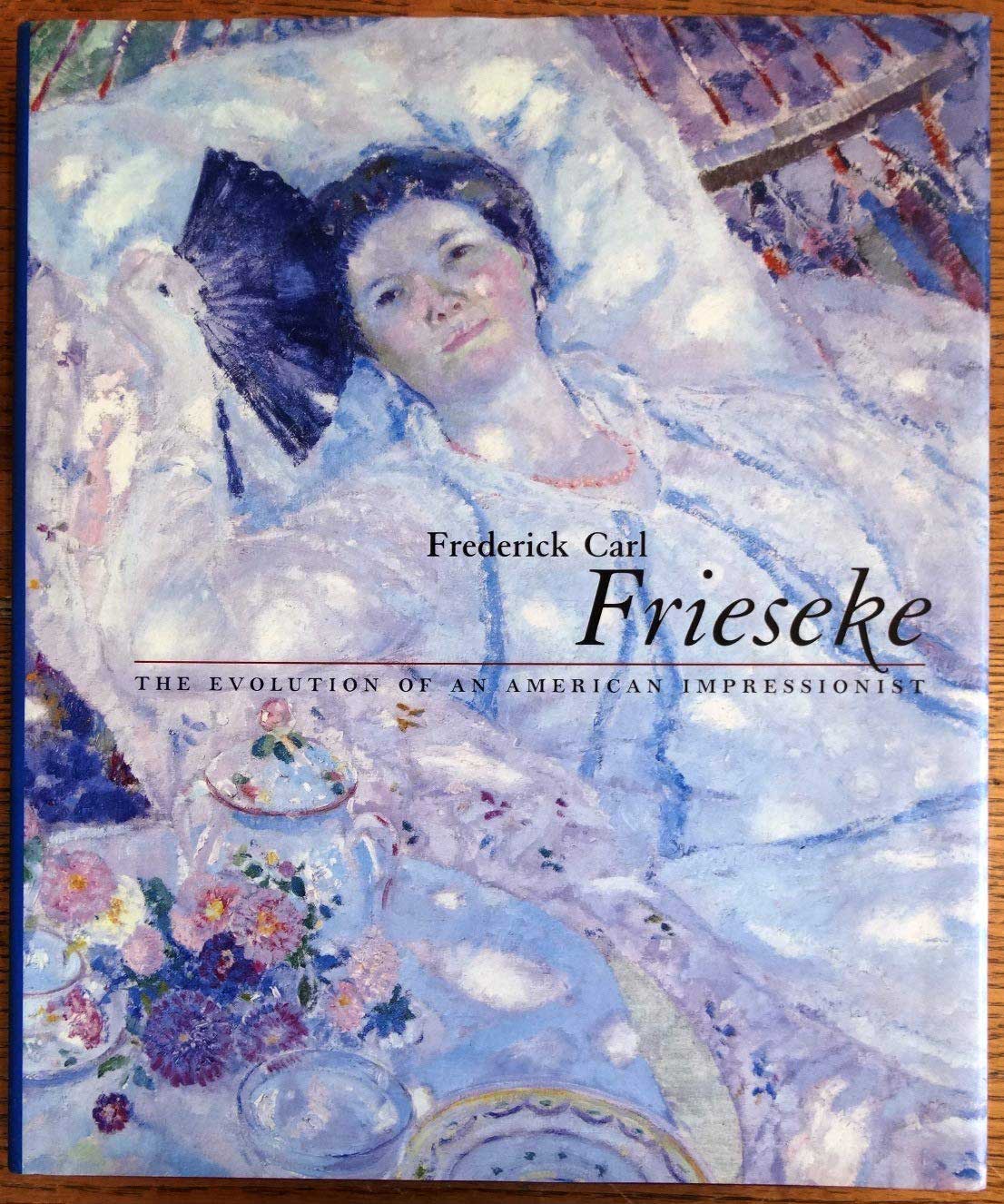
Frederick Carl Frieseke: The Evolution of an American Impressionist is the definitive monograph on this month's master artist, with gorgeous reproductions of his Giverny garden paintings alongside new scholarship from his own grandson. If this issue has left you wanting to live inside his gardens a little longer, this is where to go.
I had so much fun curating this list. I hope you enjoy!!
Classes that pair well with this month’s theme in your Studioworks Creative Library