Dear creative friends,
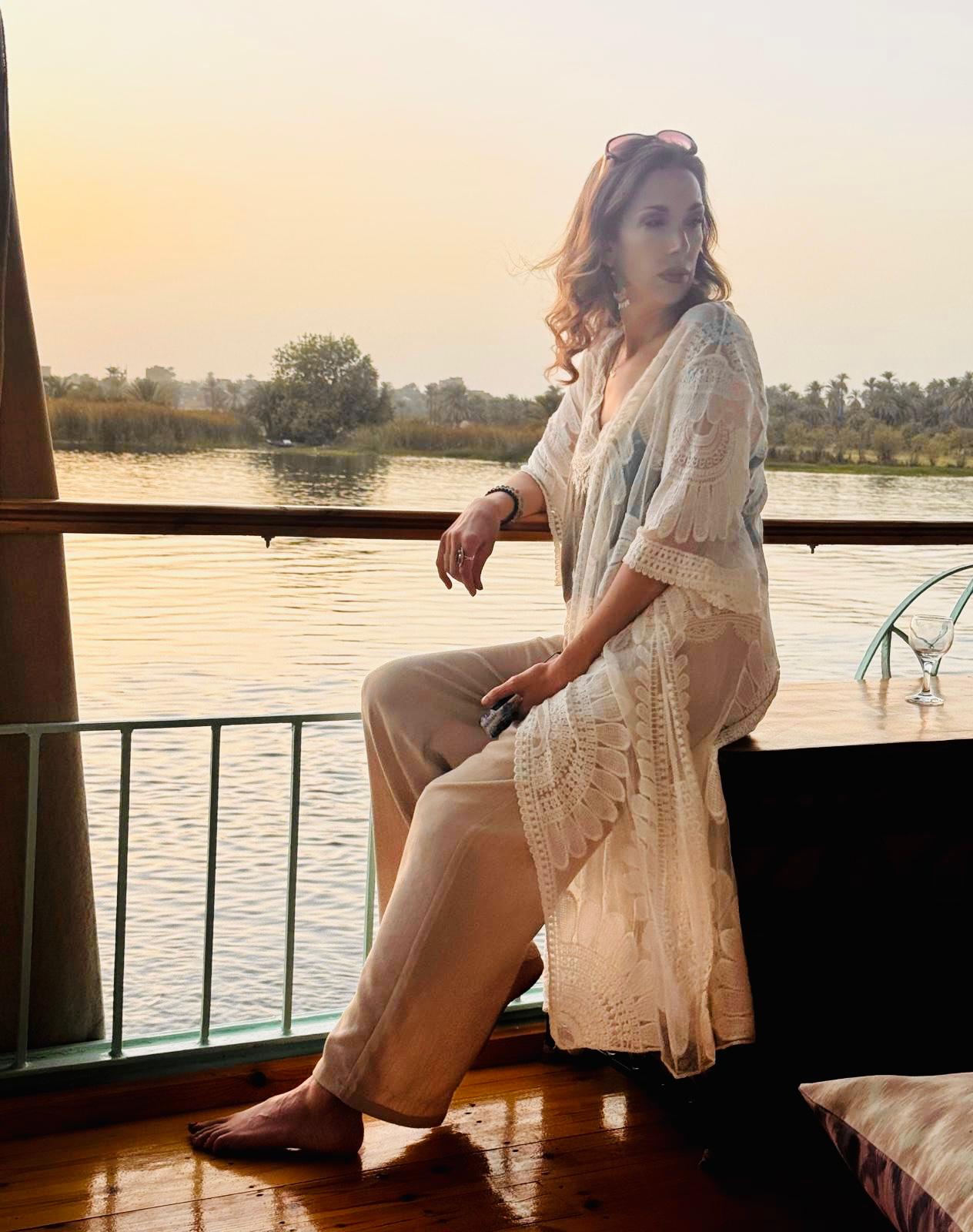
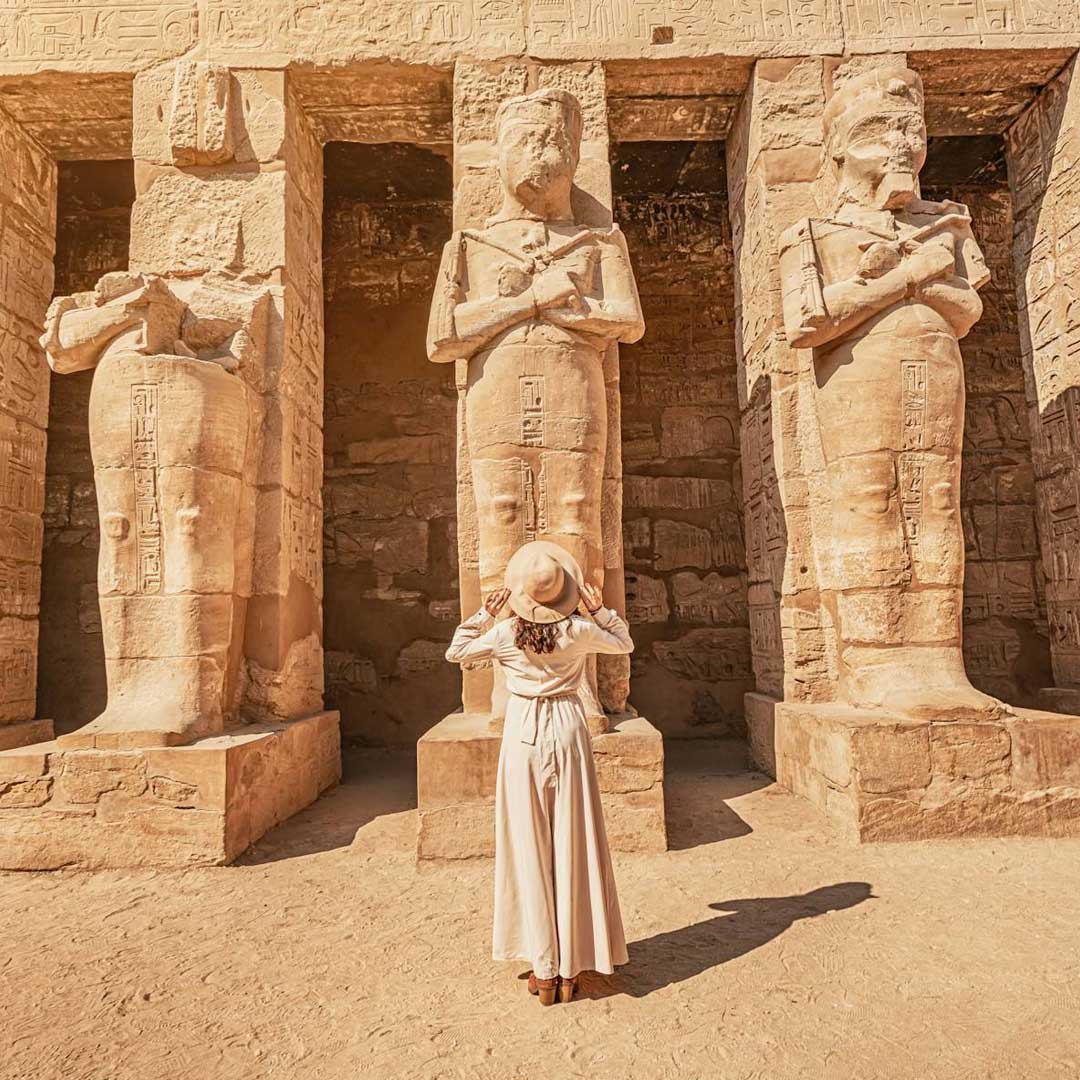
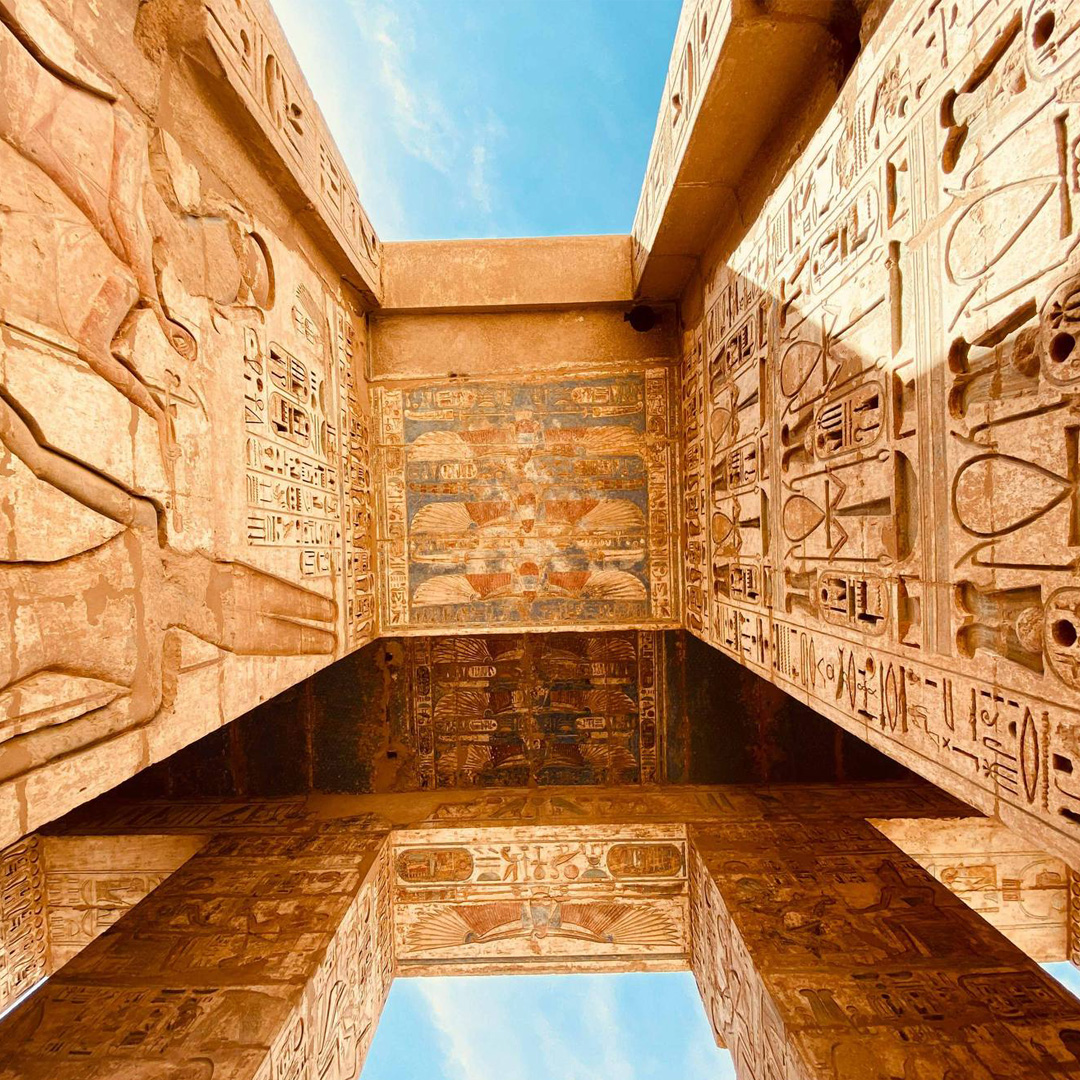
I've just returned from Egypt. From sailing the Nile, standing in the Valley of the Kings, and feeling the particular silence that lives inside ancient stone. One day we floated past banks so green and alive they almost hummed. The next, we were in the desert. Bone dry, vast, utterly still.
What made it extraordinary wasn't just the landscape. It was who I was standing in it with. A group of creative women, all of us quietly absorbing the same ancient air, each one seeing something slightly different. There's a particular kind of magic that happens when women gather in a sacred place with open eyes. Something loosens. Something remembers.
And amid all of it, what quietly stayed with me was something almost incidental. The ancient Egyptians didn't organize their year the way we do. They had three seasons, each one tied entirely to the rhythm of the Nile. Not spring, summer, autumn, winter. Just the river, rising and receding and delivering its harvest in its own time.
I kept thinking about my studio. About how rarely I afford myself that same patience.
This issue is an exploration of that idea. Of what it might mean to stop fighting our own seasons and start trusting them instead. I hope it offers you something worth carrying into spring.
With love,

As the Northern Hemisphere claws its way toward the vernal equinox, something shifts. The creative impulse that spent winter turning inward begins, almost imperceptibly, to lean toward the light. Ancient cultures understood this not as a mood but as a sacred rhythm, pouring vast resources into temples, ritual objects, and enduring works of art that honored the forces of birth, death, and regeneration.
Among these civilizations, Egypt stands preeminent.
As artists, we have a particular gift waiting for us in the iconography of two of Egypt's most enduring goddesses. Isis and Hathor. Their imagery reveals how femininity functioned not as ornament but as architecture, a bridge between cosmic order and earthly survival, between political power and maternal care. Spanning thousands of years and influencing countless cultures, these two figures offer a depth of inspiration that feels, somehow, entirely contemporary.
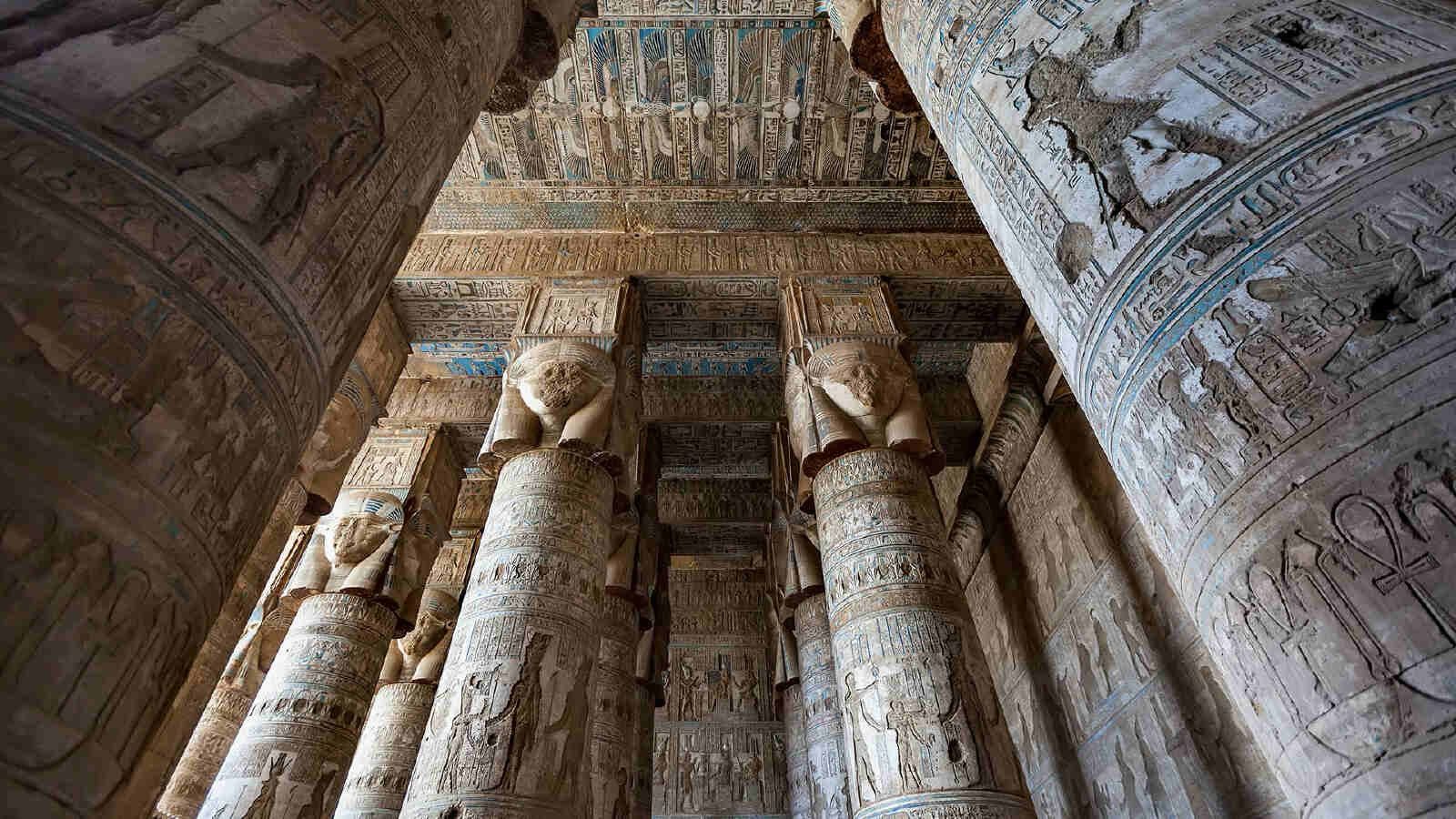
Temple of Dendera, dedicated to Hathor
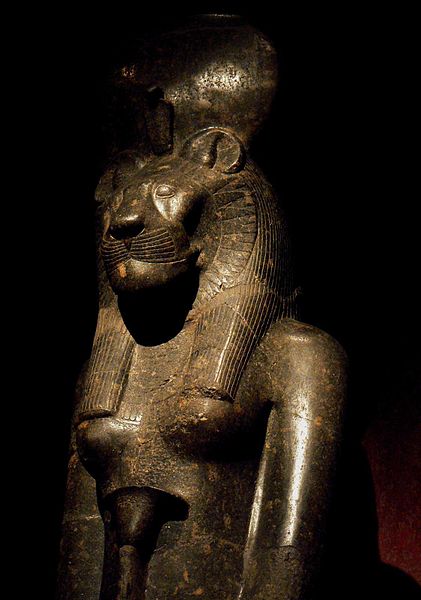
Egypt is one of the cradles of civilization and its cultural legacy is staggering. From hieroglyphics to pyramids, the form and function of their society were inseparable from art. Chief among the subjects they chose to represent were their deities, not as marginal figures but as central visual anchors of an entire world.
Among Egypt's goddesses, Hathor and Isis are the most enduring. Their qualities and symbols often overlapped, their prominence shifted across dynasties, and their stories adapted to meet the theological needs of each era. What remained constant was their power.
One of Egypt's earliest major goddesses, Hathor's worship stretches from the Predynastic period through the very end of pharaonic civilization. Her principal cult center at Dendera flourished for centuries, culminating in the grand temple complex largely constructed during the Ptolemaic period.
The famed Hathoric column capitals at Dendera are worth pausing over. Each one bears her serene frontal face, crowned with cow ears, repeated across the architecture with the quiet insistence of devotion rather than decoration. The face is stylized, symmetrical, utterly calm. Here, divine femininity is not symbolic. It is structural. She literally holds the temple up.
Hathor contained an immense scope of power, holding the tension of opposites across her many guises. She was daughter of the first god Ra, yet also one of his Eyes, his protector and consort. Cow-headed goddess of love, beauty, fertility, joy, and music. And in her fiercer aspect, she became Sekhmet, the lion-headed destroyer sent to devour Ra's enemies.
The myth of her transformation is one of the most quietly extraordinary in all of Egyptian mythology. Ra, alarmed by Sekhmet's rampage, prevents her from annihilating humanity by dyeing vast quantities of beer red to resemble blood and tricking her into drinking it. Intoxicated, she softens. The destroyer becomes the nurturer. Violence transmutes into fertility and celebration.
That the Egyptians chose to tell this story, to hold both capacities within the same goddess without contradiction, says something profound about how they understood feminine power. Not as one thing or another. As everything at once.
Hathor also moved between worlds with ease. As Lady of the Stars she brought fertility, protection, and nurture to the living. As Lady of the West she guided souls into the underworld, emerging from the sycamore tree in tomb paintings to offer sustenance to the dead. In New Kingdom funerary art, her presence stabilizes the terrifying unknown of the afterlife. She makes the darkness navigable.
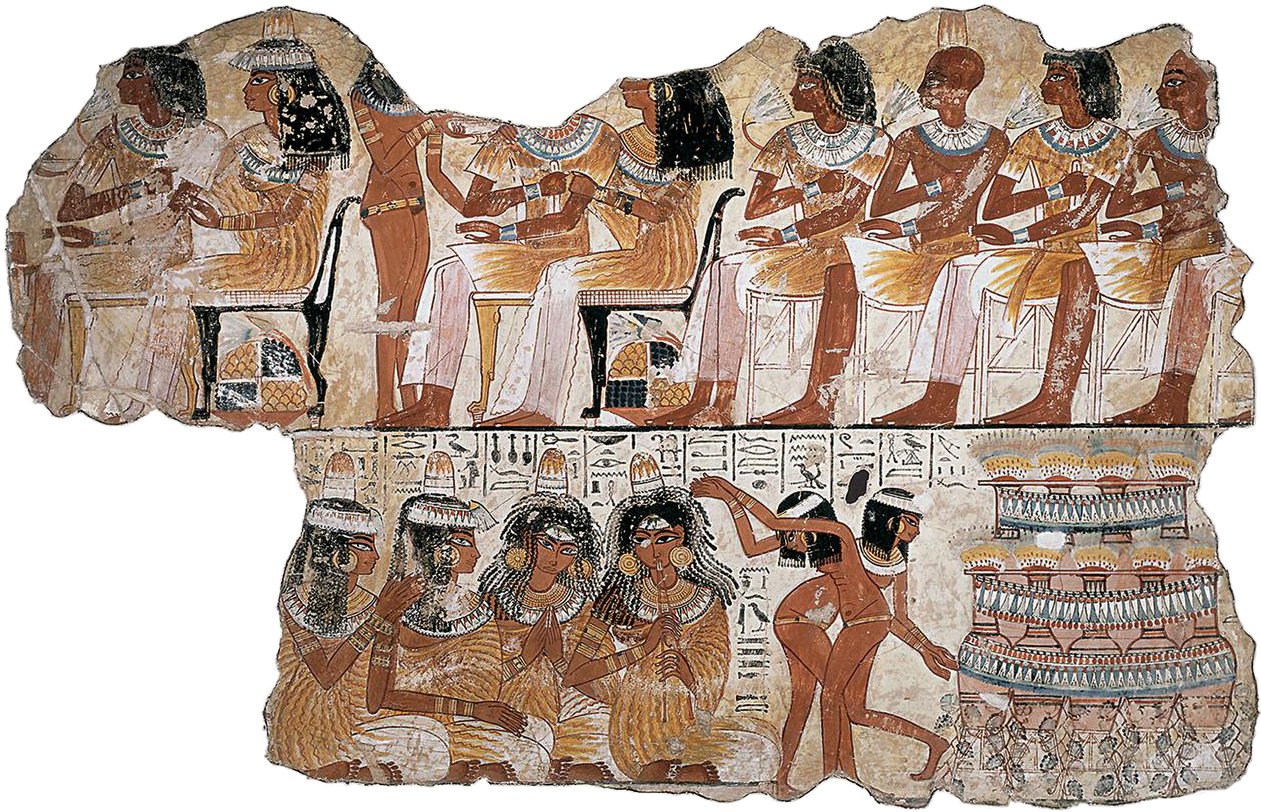
Banquet scene eating and drinking beer from the tomb chapel of Nebamun, 14th century BC. Its imagery of music and dancing alludes to Hathor.
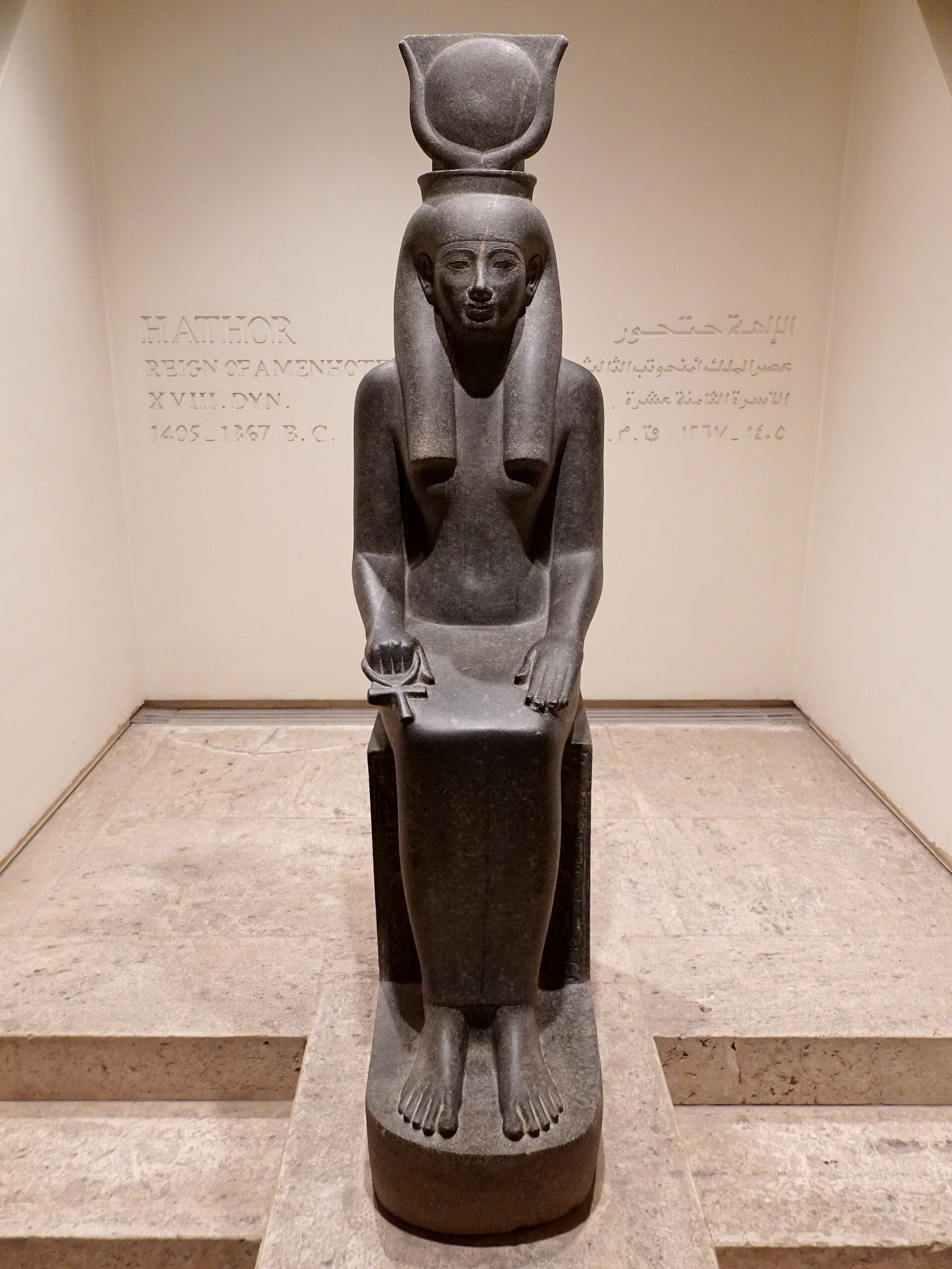
Isis emerged later in the textual record but eventually eclipsed nearly all other goddesses in prominence. Over thousands of years she absorbed the qualities of earlier deities and became the great mother, goddess of healing and magic, and protector of women. Sister and wife of Osiris, mother of Horus, and ultimately Queen of the Universe.
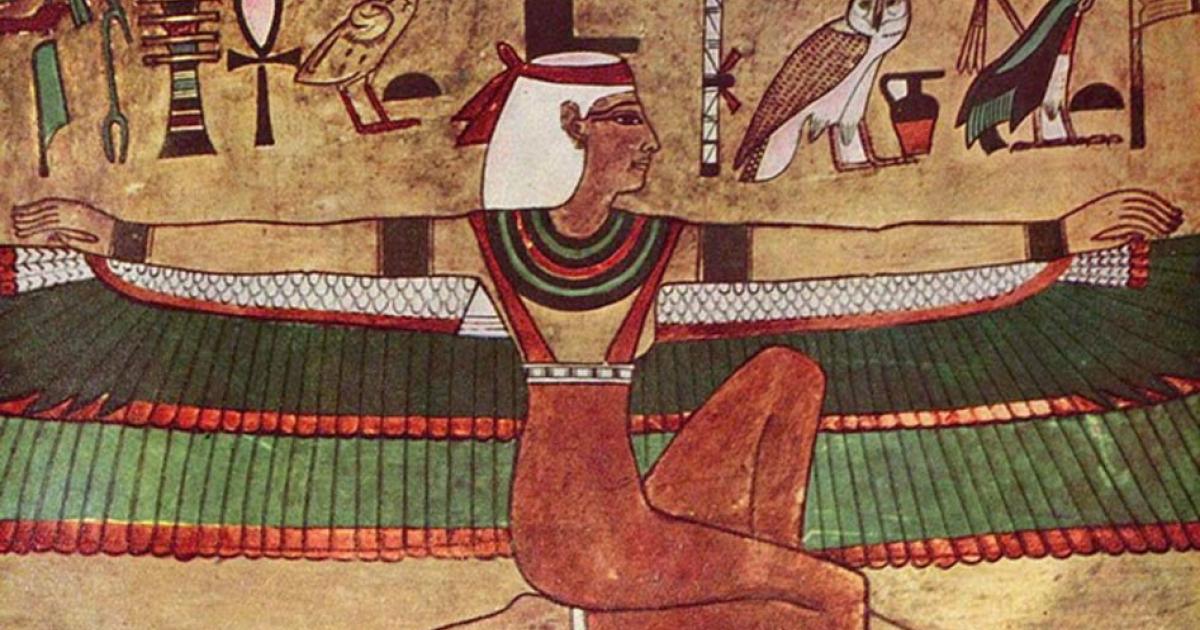
Her Egyptian name was Aset, meaning Queen of the Throne. The name Isis came later, through Greek and Roman contact, reflecting the reach of her influence across Mediterranean cultures.
What elevated Isis above so many other deities was her story. After Osiris was murdered by his brother Set and his dismembered body scattered across Egypt, Isis searched tirelessly for every piece of him, gathering and restoring him with the help of the other gods who were moved by the depth of her devotion. It is a story of grief made purposeful. Of love as an act of will rather than feeling.
Through the trials that followed, protecting her infant son Horus from snakes, scorpions, illness, and vengeance, Isis learned mercy through suffering. This made her profoundly relatable. She was not a distant celestial force. She was a goddess who understood human tribulation from the inside.
In art, the widespread image of Isis nursing the infant Horus became one of the most influential maternal archetypes in all of Mediterranean art. Seated upright, throne crown upon her head, she offers nourishment and dynastic legitimacy in a single gesture. The composition is compact and frontal, emphasizing stability over sentiment. Motherhood here is not private. It is cosmic governance.
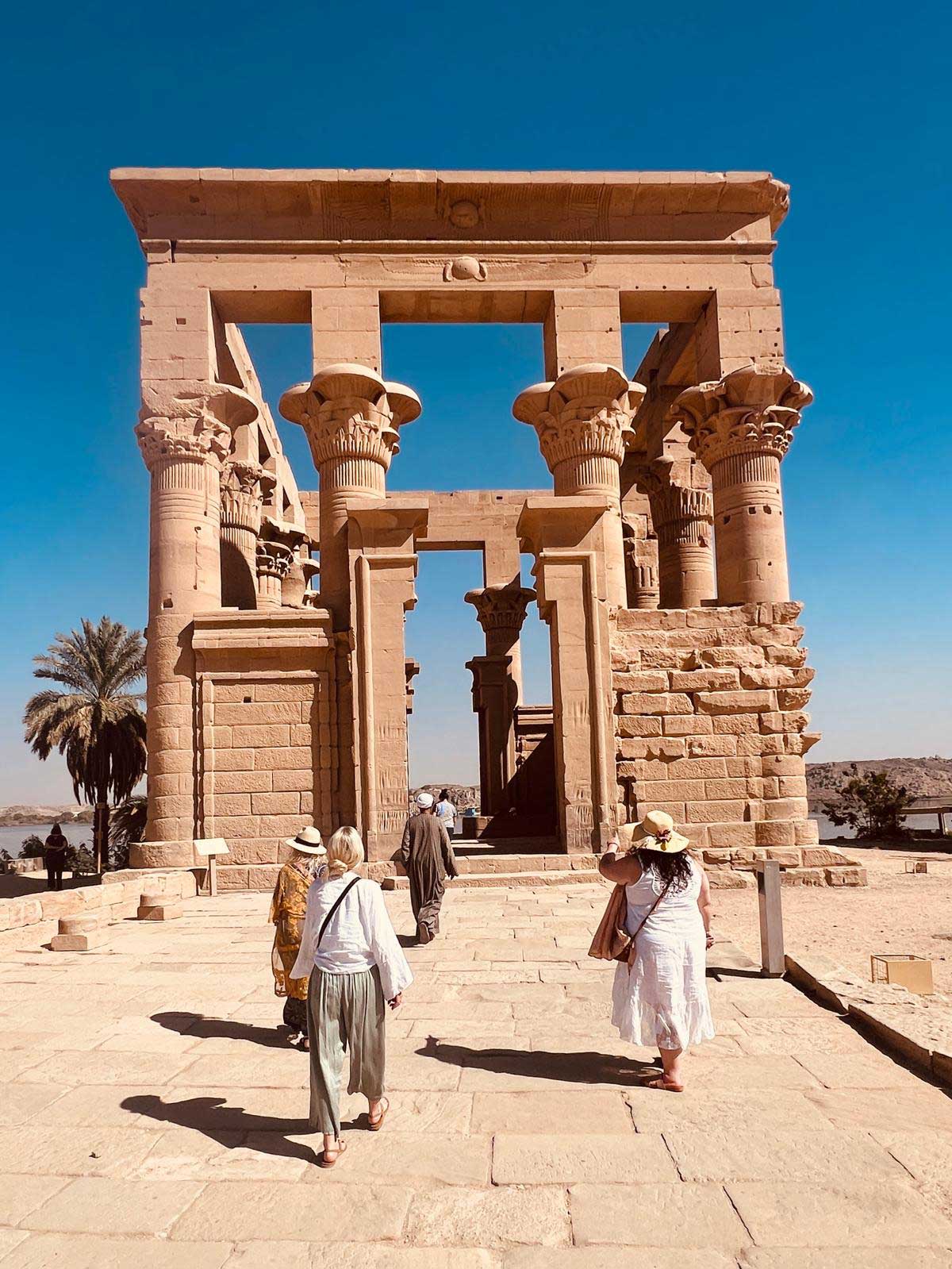
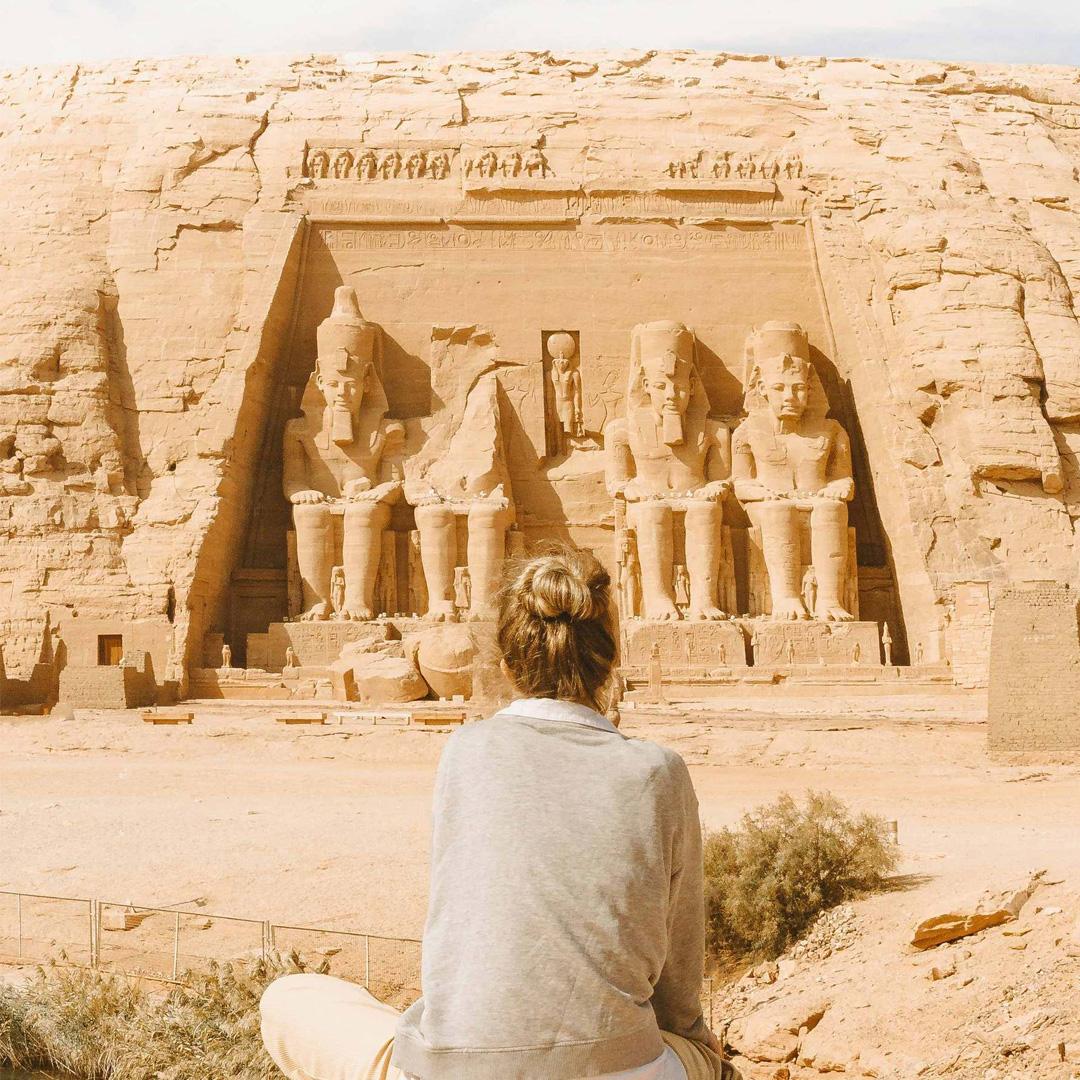
Part of my amazing group as we explore the Temple of Philae, dedicated to Isis, Aswan.
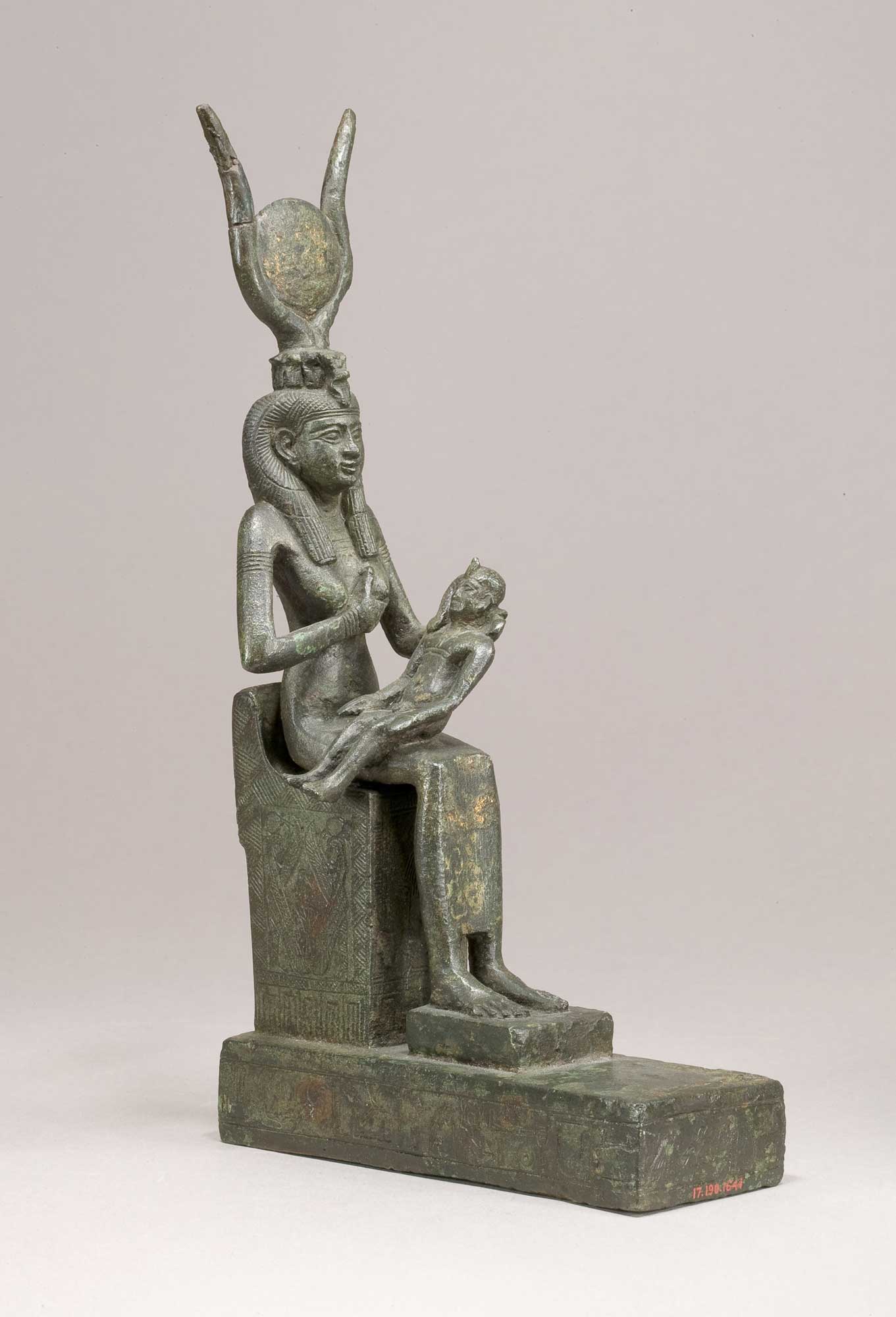
Goddess Isis nursing her son Horus, ca. 1070–343 B.C.
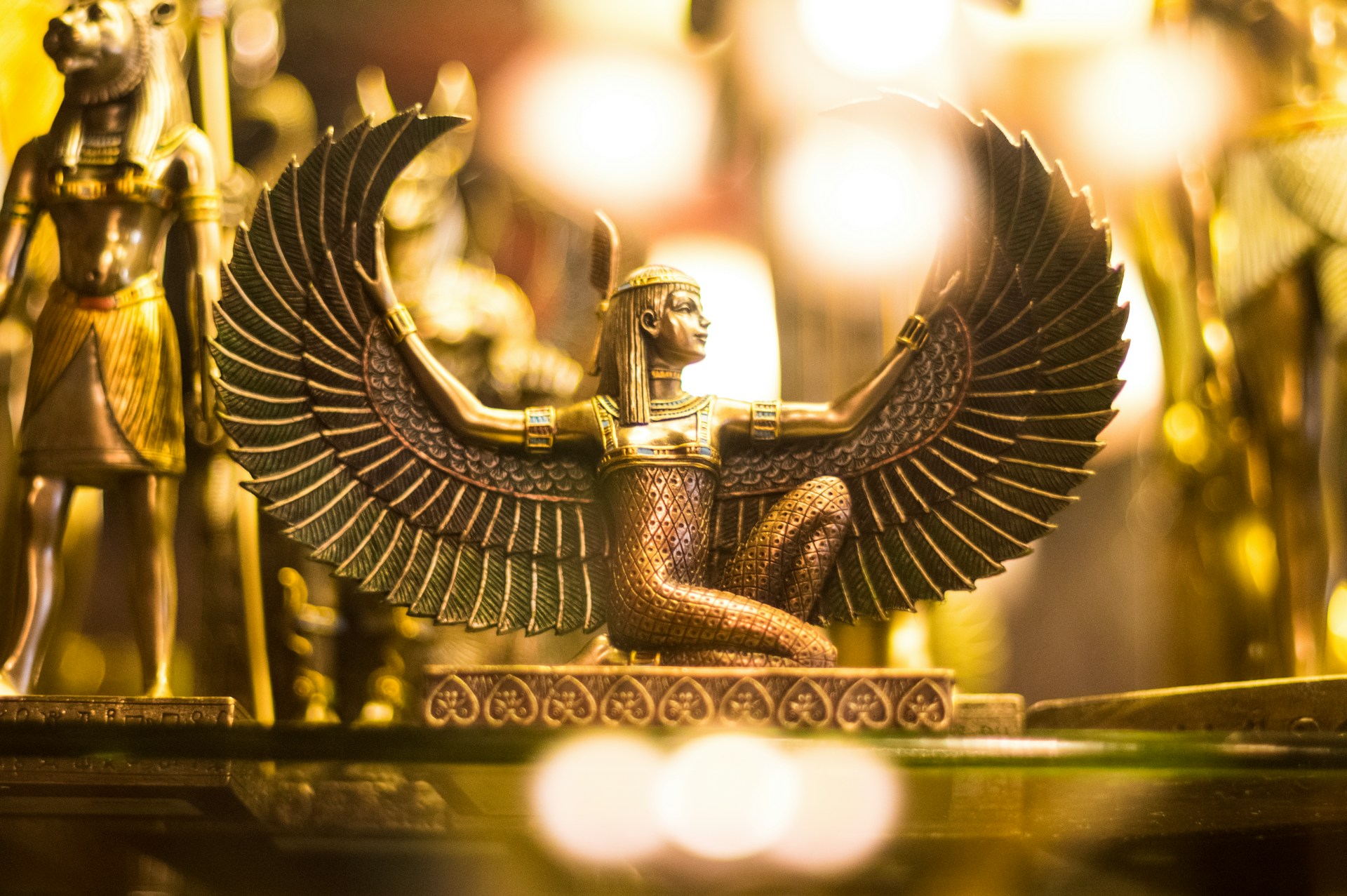
In temple reliefs she appears with outstretched wings stretching across the pictorial field, visually enclosing and safeguarding the dead or the king. The gesture is one of protection, but it is also geometry. The body becomes architecture. Again.
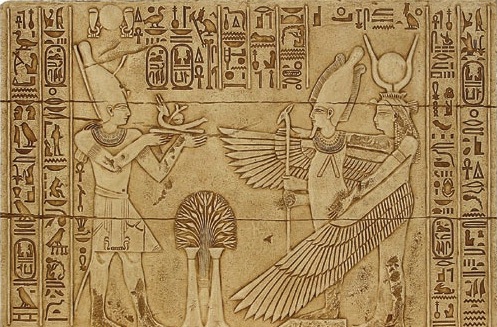
Hathor's visual language is rich and varied. As a fertility goddess she appeared as a cow, a cow-headed woman, or a woman bearing a red sun disk between her horns. As patron of beauty and the cosmetic arts her image appeared on mirrors and cosmetic palettes, objects of daily intimacy. Her colors were turquoise, gold, and malachite. Her fragrance was myrrh.
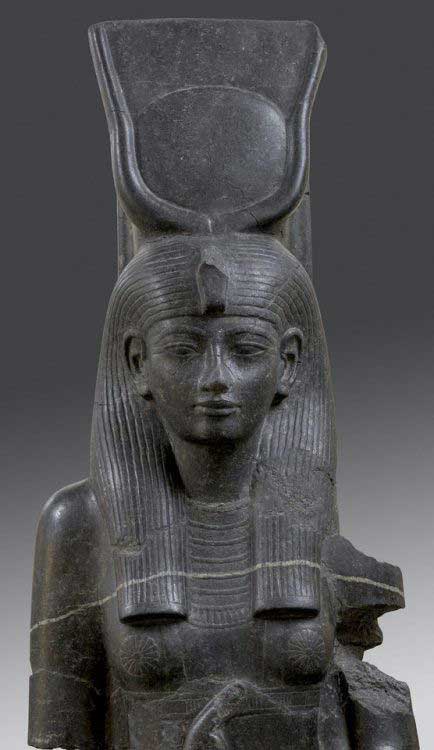
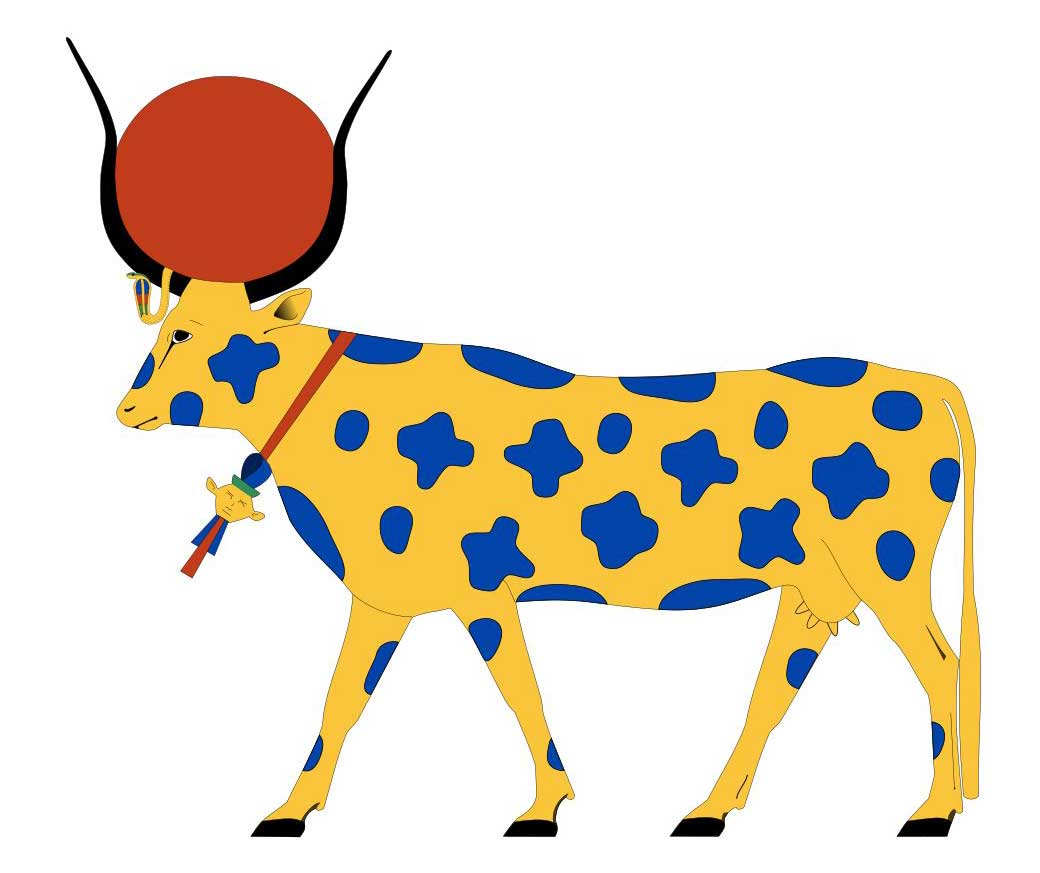
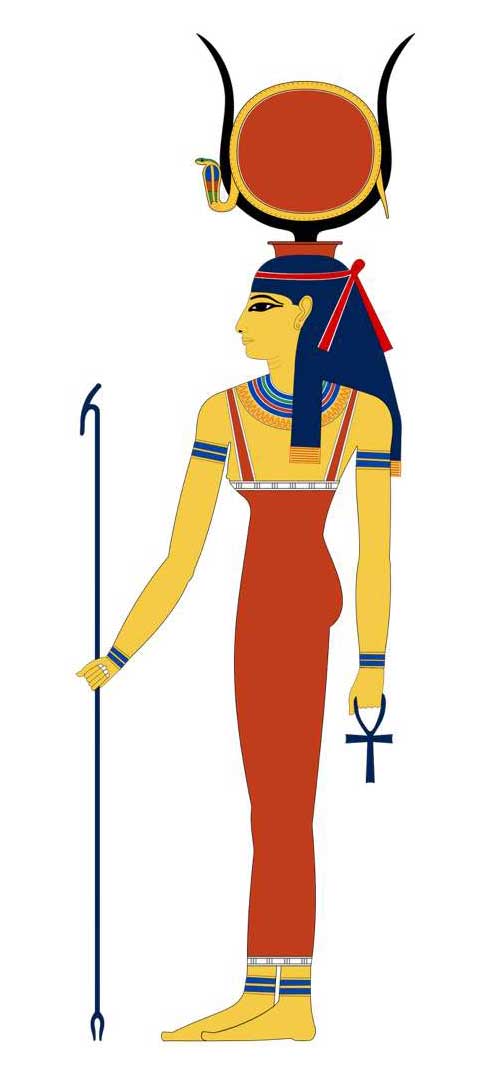
As goddess of music and dance she was associated with the sistrum, the tambourine, and the Menit necklace. She was affiliated with the fig for its milky sap and the sycamore for its shade and quiet nourishment.
Isis carried her own extraordinary visual vocabulary. The throne headdress symbolizing royalty. Wings of a kite or hawk for protection. The ankh for life. The papyrus staff for youth and vitality. The tyet, or Knot of Isis, for life, protection, and resurrection. By the Greco-Roman era her imagery had expanded still further. Horns becoming a crescent moon, her staff a rudder steering the cosmos, a cornucopia in her hand, her foot resting upon a celestial sphere. She had become, by then, a symbol of fate itself.
What moves me most about these two goddesses is not their power, though it is considerable. It is their refusal to be singular.
Hathor is joy and destruction. Isis is tenderness and ferocity. Both move between the living world and the dead with complete ease. Both hold contradictions that our own culture tends to keep separate, the nurturing and the fierce, the celestial and the earthly, the creative and the destructive.
As artists, we are allowed to be all of these things too.
In a month shaped by the idea of cycles, Isis and Hathor remind us that no single season defines us. The flood and the harvest both live in the same body. The goddess who weeps over scattered pieces and the one who rebuilds from them are the same figure. Their adaptability across millennia is not inconsistency. It is wisdom.
When we turn toward their imagery for inspiration this month, we are not reaching for decoration. We are reaching for something much older and more honest than that. A reminder that cyclical power, the kind that rises and recedes and rises again, has always been the most enduring kind there is.
There's a specific kind of hum that lives in the studio. Most days we mistake it for pressure. That low frequency anxiety telling us we should be further along, that a blank canvas is a deficit we need to fill, that everyone else seems to be producing and finishing and shipping while we're still standing at the window with a cold cup of tea.
We sometimes believe that creativity is a linear climb or a constant state of blooming.
But I keep coming back to the Nile.
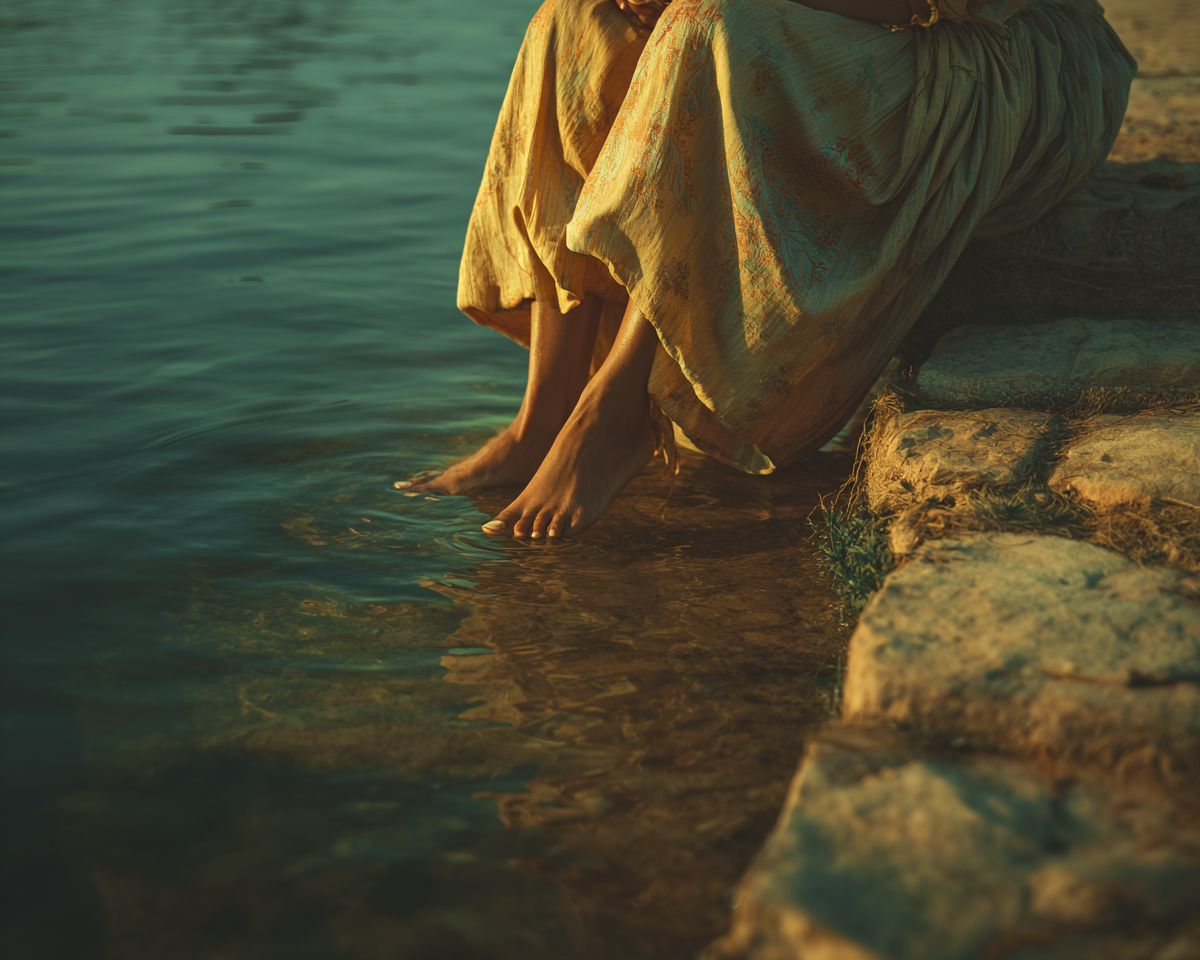
In my own practice, I recognize the flood immediately. It's the weeks when ideas arrive faster than I can catch them. Sketches taped over other sketches. The floor covered in scraps. Four different paintings started and not a single one making sense yet. Inspiration has simply run over its banks.
It feels overwhelming. Honestly, it can feel a little unhinged.
But the Nile didn't ask permission to rise. It just surged, depositing that thick black silt over everything it touched. Destructive on the surface, but that flooding was the only reason the soil got fed at all. The mess was the medicine.
Now when I'm in that scattered, nothing-is-finished place, I try to stop apologizing for it. The silt is settling. The ideas are soaking into the cracks. Something is being nourished that won't show itself yet.
That's not failure. That's the flood doing its work.
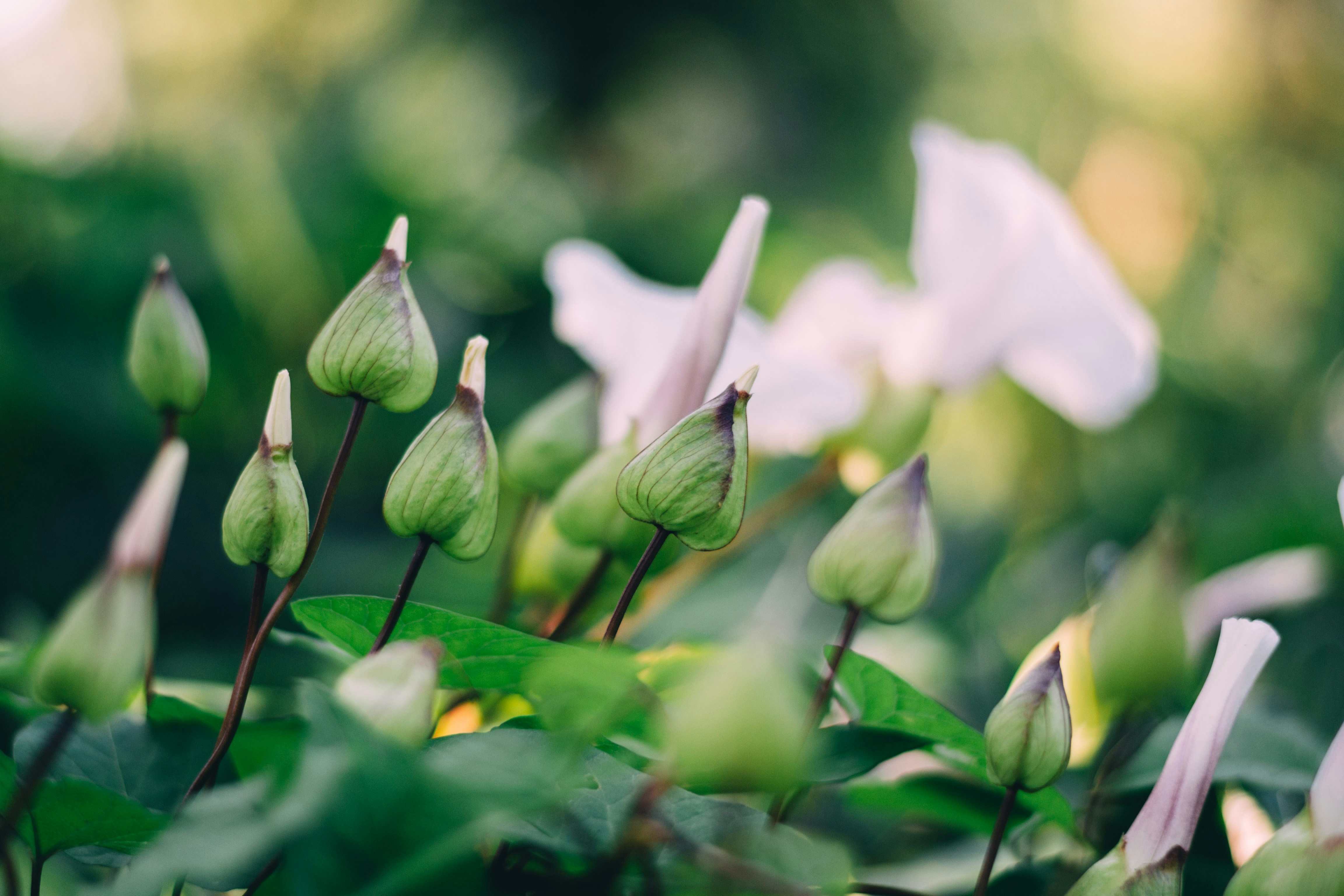
Eventually the water recedes. The studio gets quiet. This is the season I find hardest, not because it's painful, but because it's invisible.
Growth doesn't make for a good story. It's the disciplined, repetitive work of following a single thread. Sanding a surface. Mixing the same ochre ten times until it finally vibrates. Returning to the same painting three days in a row and making marks no one will ever be able to point to. It's the work beneath the work.
What I've come to understand, partly from standing inside those Egyptian temples, is that this season asks for a particular kind of devotion. The ancient artists who painted those tomb walls weren't rushing toward a finished piece. Every posture, every pigment had specific weight and intention. They understood that refinement isn't restriction. It's a form of faithfulness to the work itself.
Staying in the quiet emergence means resisting the urge to flood again before the growth has had time to root. It means trusting that steady and slow is not the same as stuck.
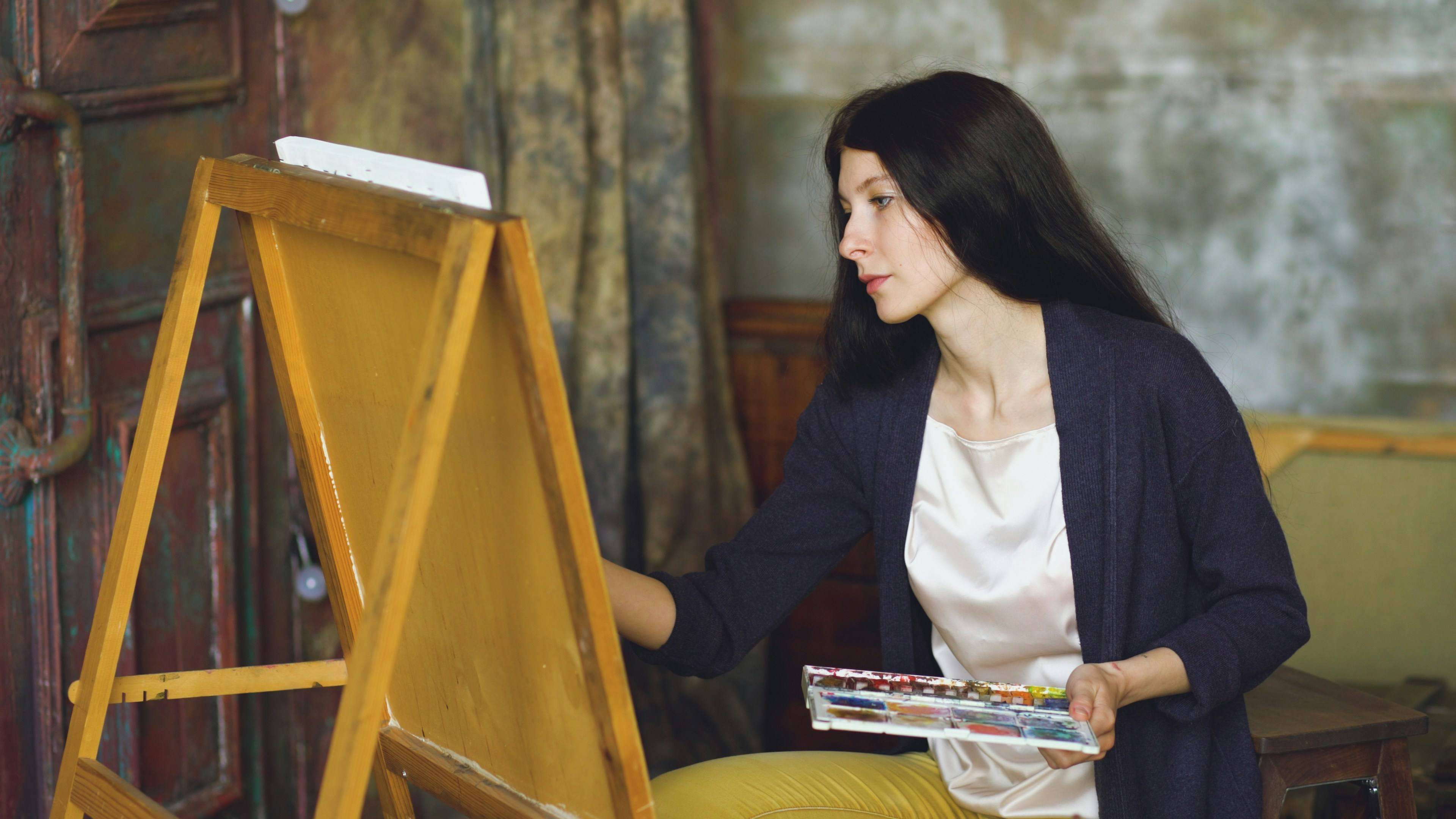
And then, eventually, the harvest.
This is the season of the final mark. The moment you step back, wipe your hands, and recognize that a piece is done. Not perfect. Done. There's a difference, and learning to feel that difference is one of the most valuable things a creative life can teach you.
But harvest also means acknowledging what didn't grow. Not every seed the flood brought in was meant to become a finished work. Some ideas are compost for the next season. Letting them go without guilt, without the feeling that you've wasted something, is its own kind of creative maturity.
There's a real peace in that release. A clearing.
The exhaustion so many of us carry comes from trying to harvest while we're still flooding. From forcing a finished product when we're actually meant to be underwater, soaking up what the season is offering. From expecting bloom in a time that was made for roots.
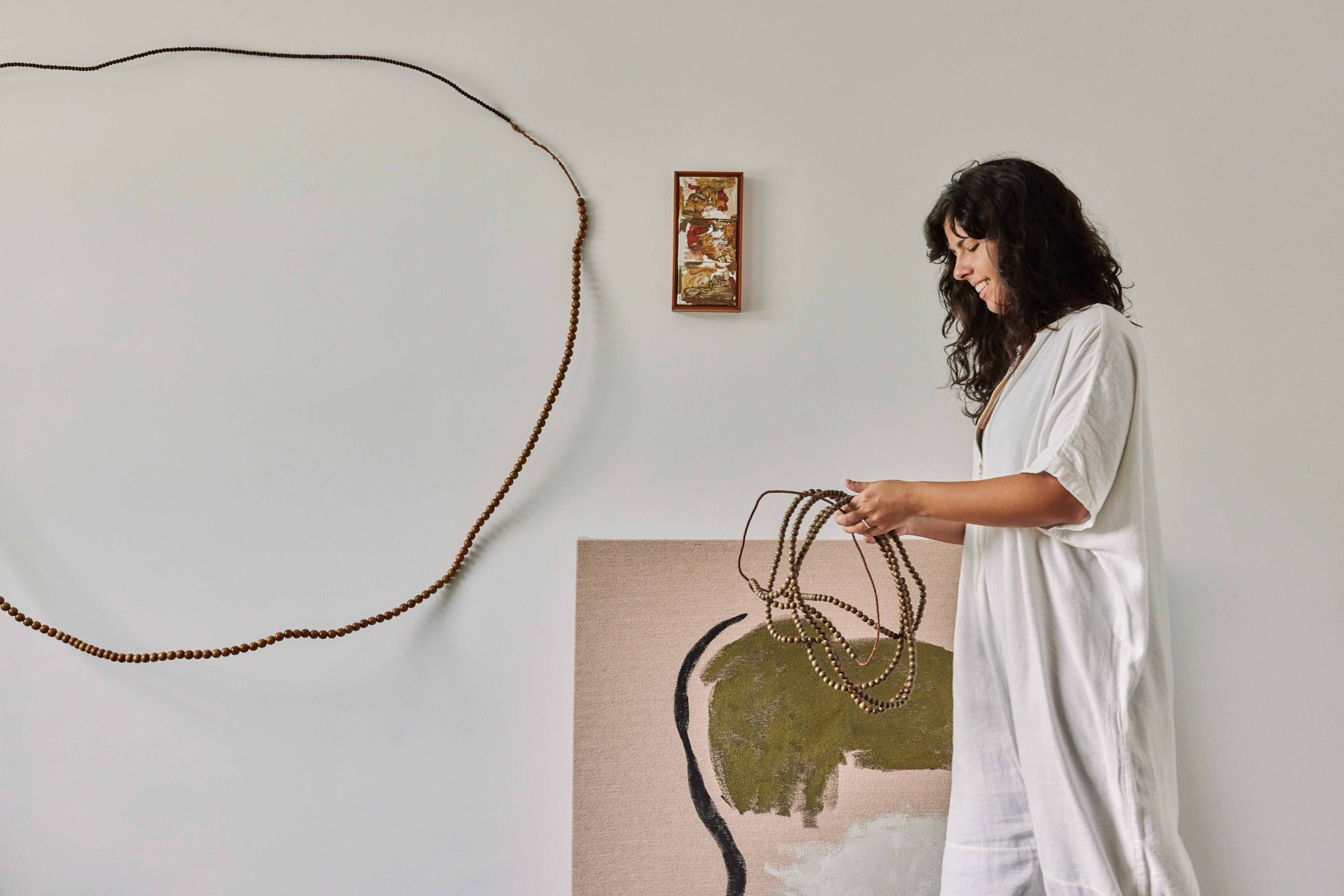
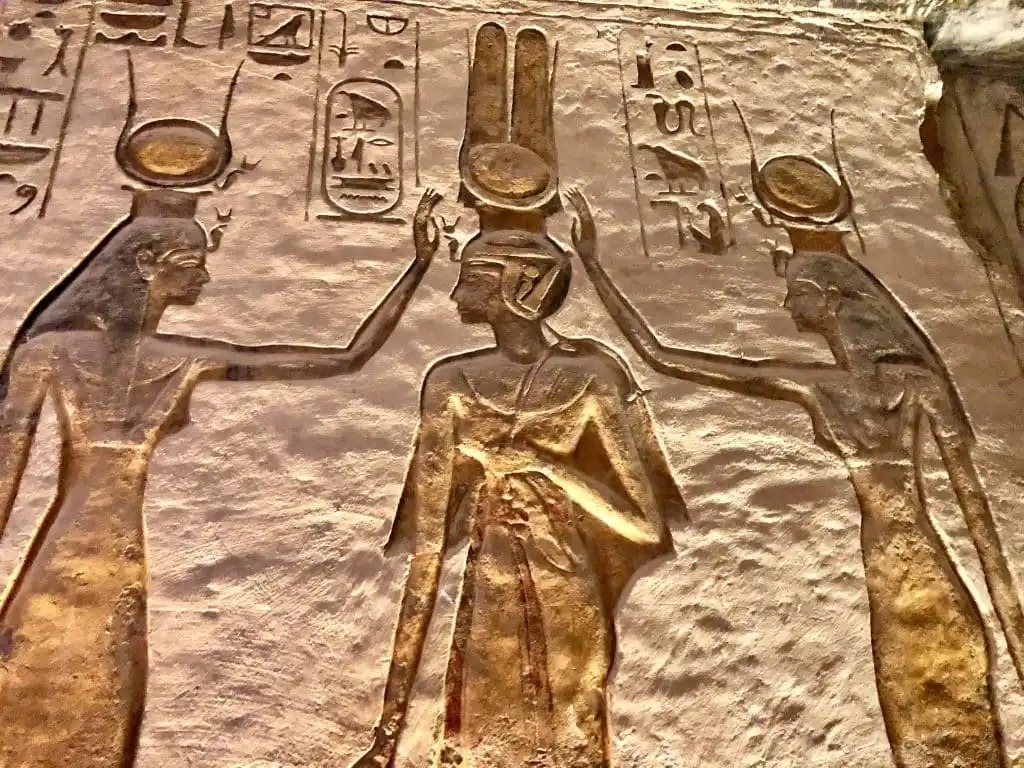
The goddesses I stood before in Egypt, Isis and Hathor, were not symbols of constant reinvention. They were symbols of cycles. They knew when to protect and when to release. When to hold form and when to let things dissolve back into the earth.
I think about that when I look at the half finished work on my studio wall. I'm not in a hurry to bloom. I'm just curious about what the water left behind this time.
What about you? If you look at your desk right now, not your calendar but your actual work, what season are you really in?

According to the Oxford English Dictionary, rhythm is defined as a strong, regular, repeated pattern of movement or sound and a recurrent sequence or flow of events.
Rhythm is not noise. It is pattern. It is return. It is something that moves, pauses, and moves again.
For artists, rhythm is less about consistency and more about honesty. It means recognizing which season you are actually in and having the courage to work with it rather than against it. The flood, the quiet growth, the harvest. Each one asking something different of us. Each one essential.
The studio that honors rhythm doesn't always look productive. Sometimes it looks like a mess of unfinished starts. Sometimes it looks like one small careful mark repeated until something shifts. Sometimes it looks like a finished piece leaning against the wall and a cup of tea and nothing else.
All of it counts. All of it is the work.
Let’s tap into our creative intuition and do some self-reflective work inspired by our theme. Below you will see our month’s Oracle/Tarot card spread. But fear not, if you are not one drawn to using oracle or tarot cards, no worries, just use the accompanying reflective questions as writing prompts for your journals!
Here’s a three-card oracle spread that fits seamlessly with our monthly theme. Take a deep breath, grab a cup of tea and enjoy.
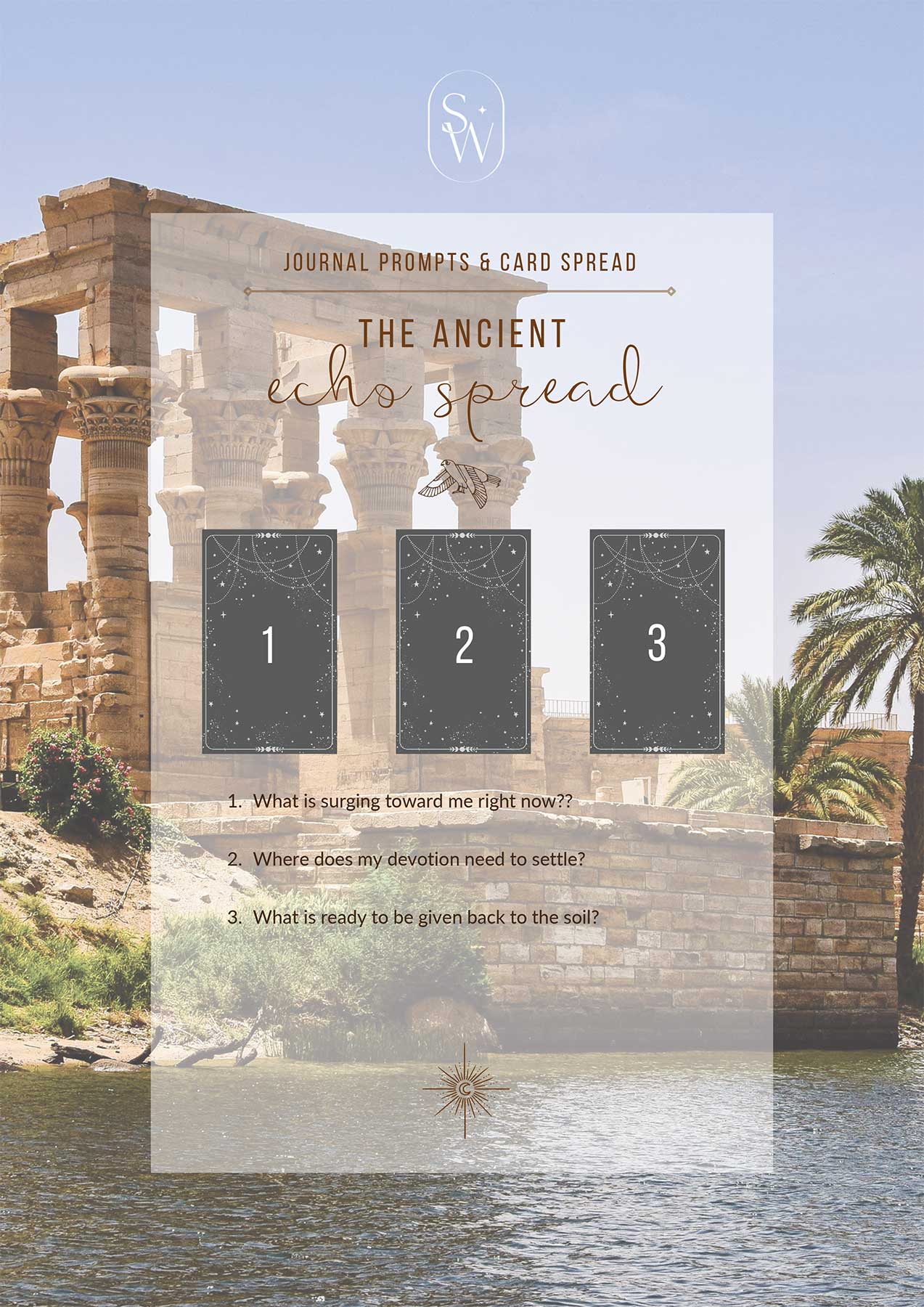
A three-card check-in for the creative soul.
Card 1: The Rising
What is surging toward me right now?
This card represents the "flood" of new energy. It might be a chaotic pile of ideas, a sudden change in direction, or an overwhelming emotion. It isn't here to be organized yet. It is here to saturate the dry ground.
Journal Prompt: If I stop trying to control the mess, what is this "silt" actually trying to teach me?
Card 2: The Staying
Where does my devotion need to settle?
As the initial rush fades, this card shows you what has actually taken root. This is the quiet, disciplined work of the "growth" season. It is the one thread you are meant to follow with patience and steady hands.
Journal Prompt: What happens to my work if I stop looking for the next big spark and simply stay with what is already growing?
Card 3: The Returning
What is ready to be given back to the soil?
This is the harvest, but it is also the release. It represents the work that is finished and the ideas that didn't make it. It is the act of stepping back and letting the cycle end so a new one can eventually begin.
Journal Prompt: What can I finish, share, or let go of today to make room for the next rising?
Set aside a quiet moment before drawing your cards. As you turn each one, notice your first response before interpreting. Pay attention to sensations, colors, or emotions that arise. This spread works beautifully with both oracle and tarot decks and can be revisited whenever you feel unsure of your direction.
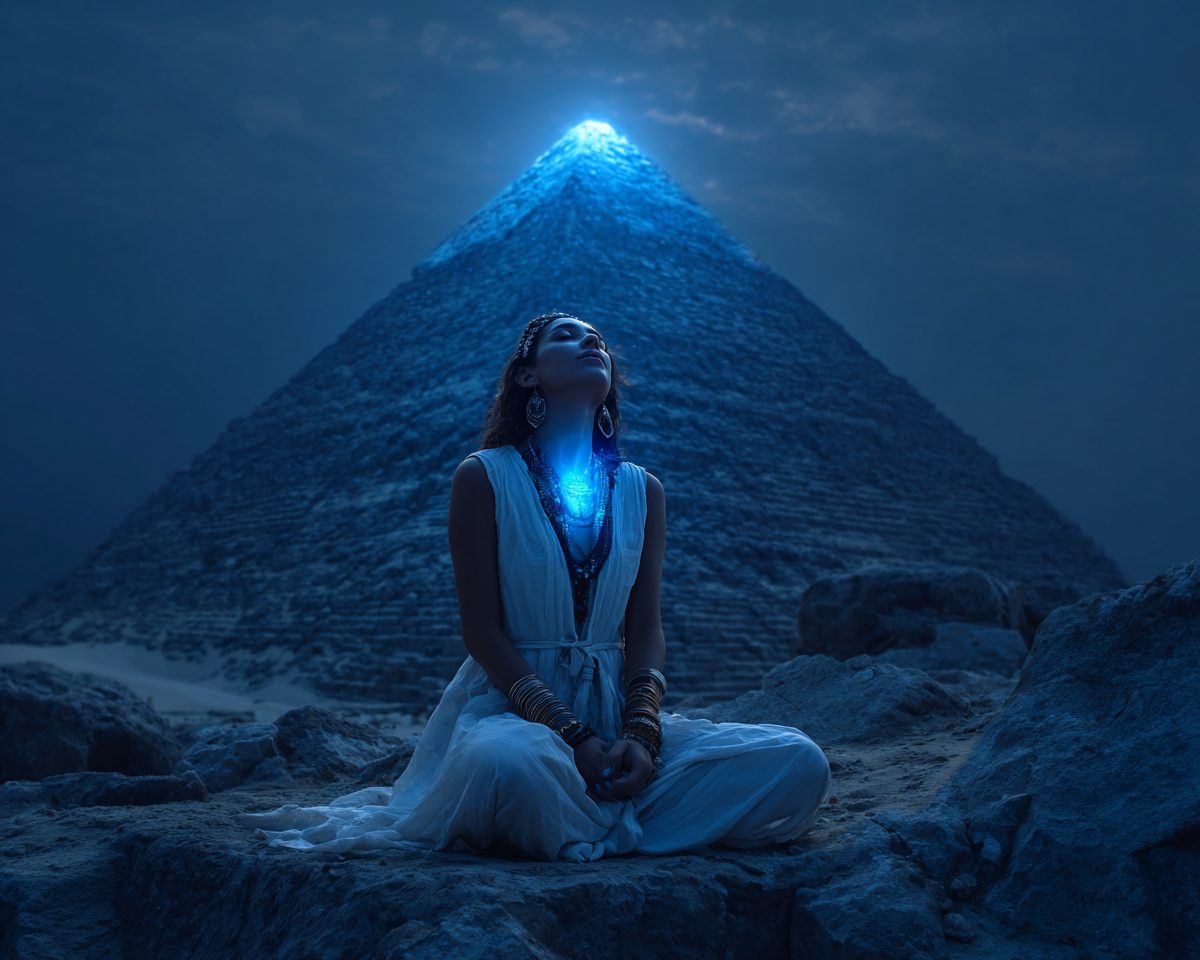
I couldn’t resist including this very special meditation after making my own journey into the Great Pyramid of Giza. Standing inside that ancient stone vessel, I realized it wasn't just a tomb, but a place of incredible resonance. It felt like a body waiting for a voice.
I chose the Throat Chakra Pyramid Meditation because it captures that exact hum, that tectonic stillness I felt in the King’s Chamber. In the studio, our throat chakra is where our "flood" of ideas finally finds its frequency. It is the courage of the final mark. As you listen, imagine yourself in that subterranean quiet, letting the sound clear the silt from your expression until only your truest rhythm remains.
Here’s a little more information from Rachel…
The Pyramids are believed to be the throat chakra point of earth. This meditation leads you on a visual and vibrational journey to a secret sanctuary within the great pyramid of Giza. A lot of layers, exploration and healing has gone into creating it. I wanted it to be a truly immersive experience. Let my voice and your higher self lead the way. Including my own vocal singing channeling for healing and and activating the throat chakra.
lots of love,
Rachel
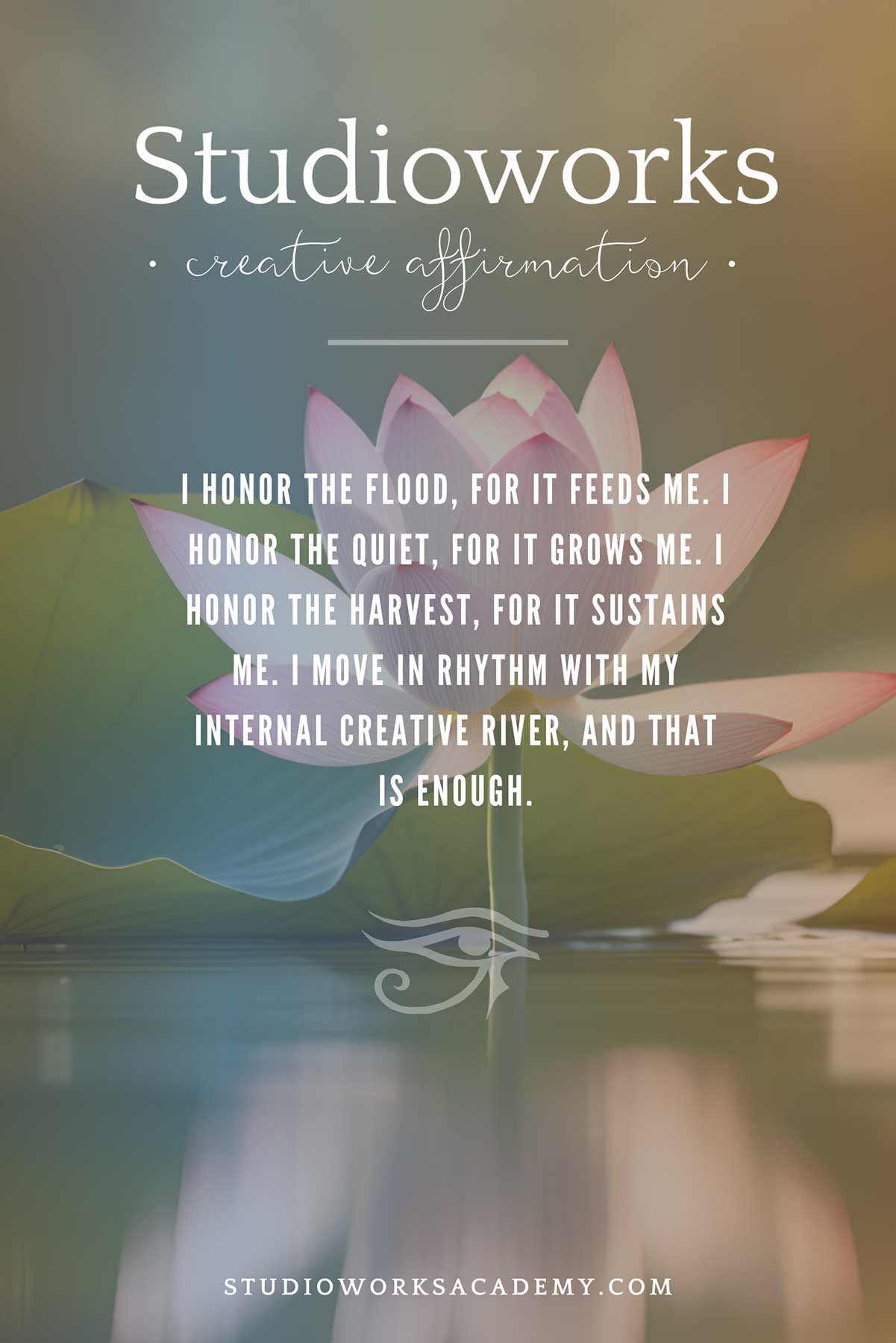
Each month we will have a positive affirmation. I recommend you print out this affirmation and put it in your sketchbook or somewhere in your studio. Recite the affirmation out loud each time you show up to create. Saying words aloud is powerful and can begin to re-write some of our own limiting beliefs or calm our fears. Try it now…
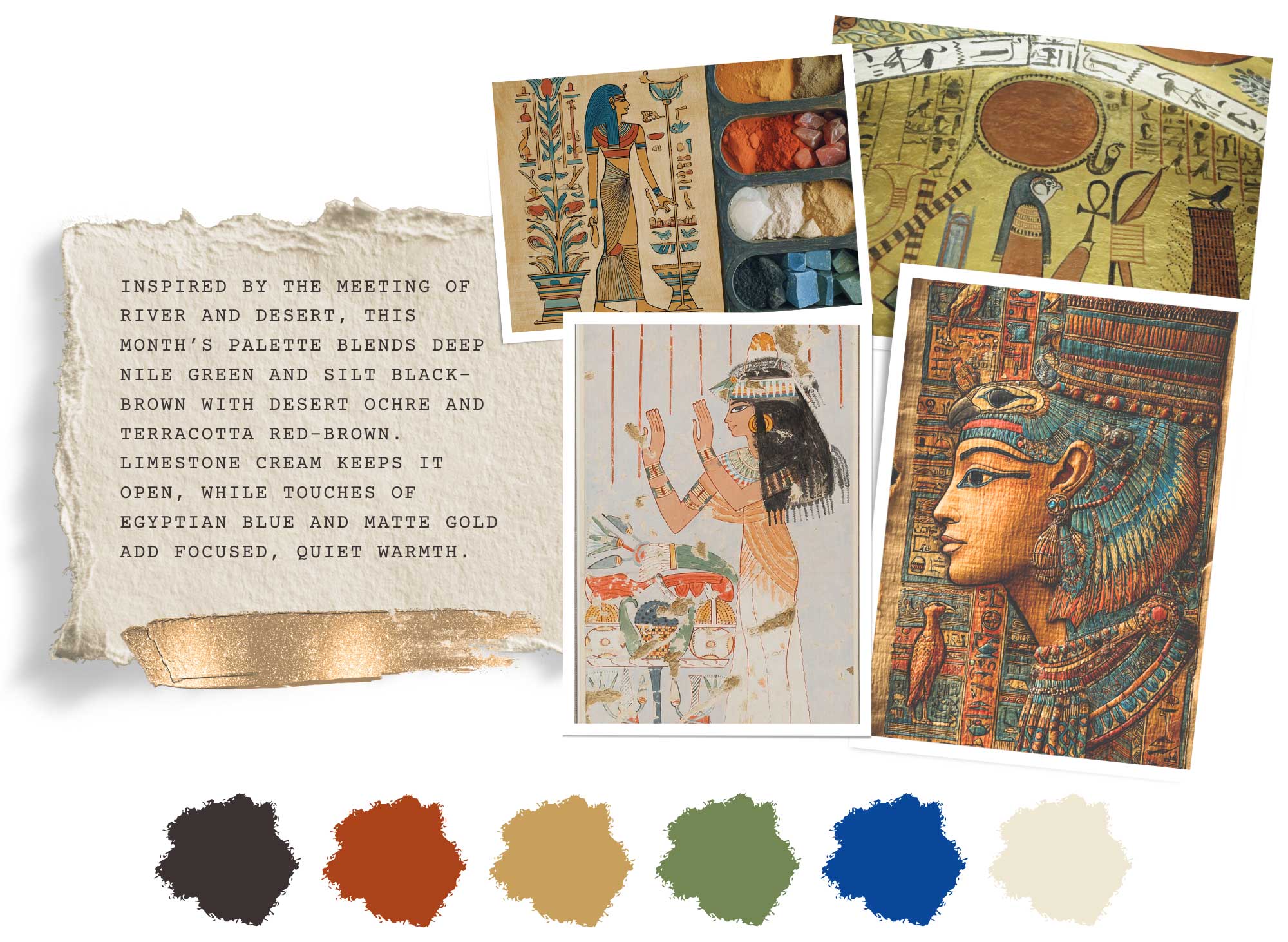
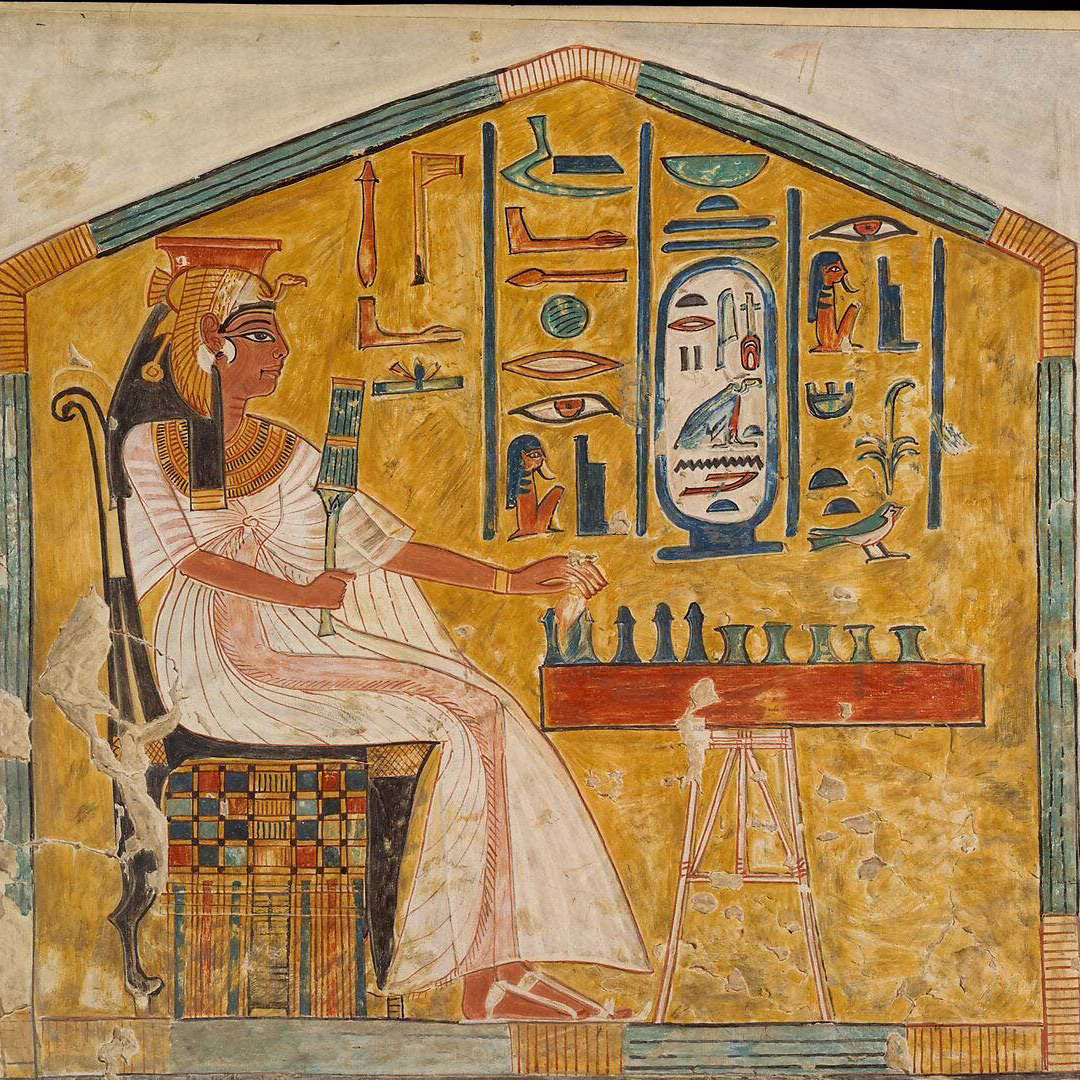
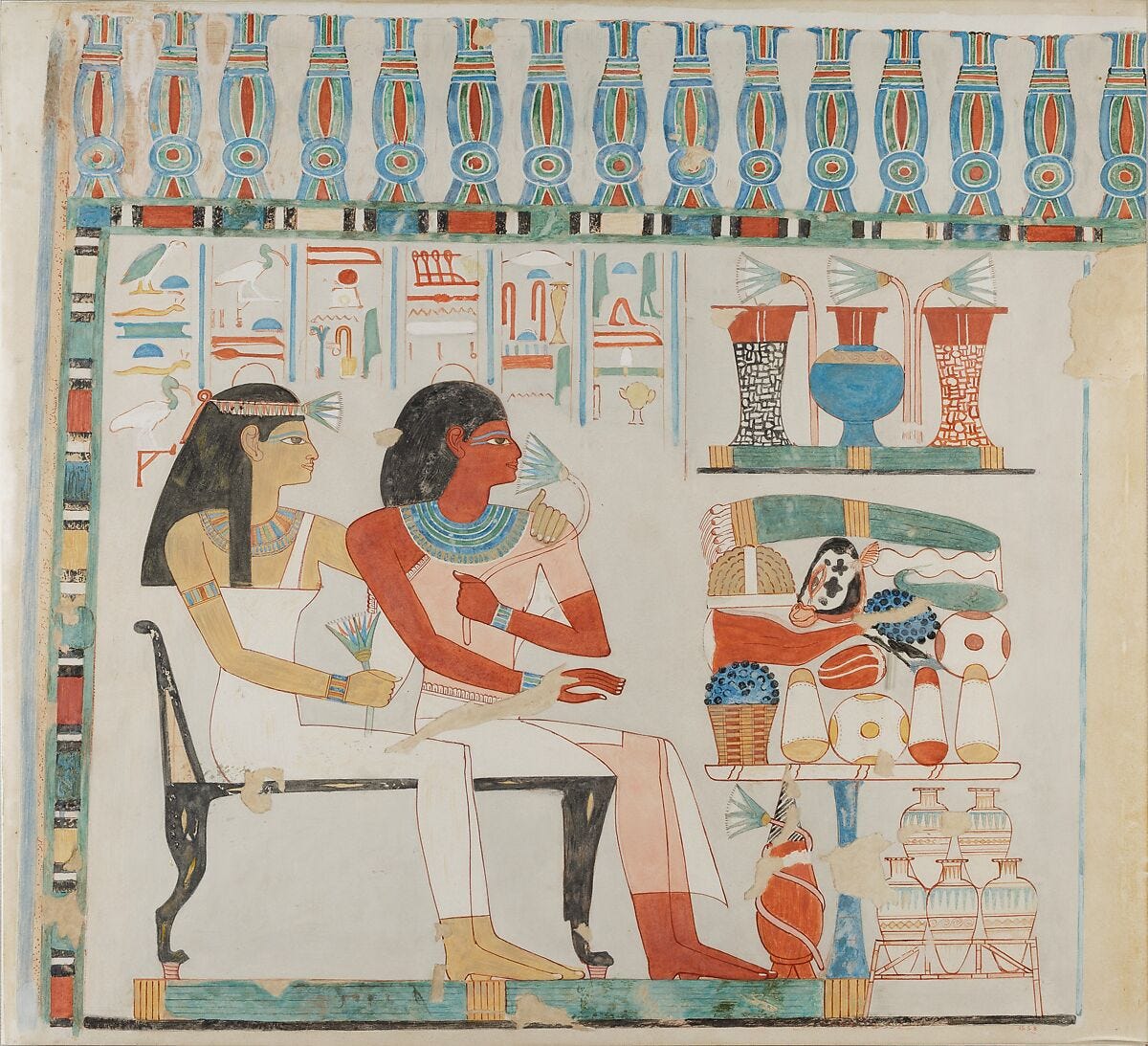
This month’s palette is inspired by the landscape of Egypt and the tonal range found in Nina de Garis Davies’ facsimiles. It balances river, desert, and stone with warmth and restraint.
Deep Nile green brings grounded vitality. Silt black-brown adds depth and structure. Desert ochre introduces warmth and clarity. A terracotta red-brown, reminiscent of ancient plaster and iron-rich earth, adds human presence and warmth. Limestone cream keeps the palette open and breathable. Egyptian blue offers a focused, saturated accent. Matte antique gold provides a quiet, aged luminosity.
Let the neutrals carry most of the composition. Use green, ochre, and terracotta to establish form and atmosphere. Reserve Egyptian blue for emphasis. Keep gold subtle and intentional.
This palette favors depth over brightness and supports layered, thoughtful work that feels steady and enduring.
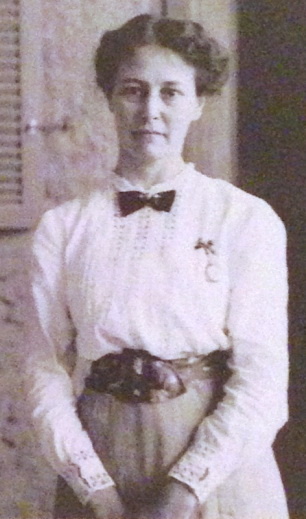
In the history of Egyptology, names tend to be carved in stone with a heavy and masculine hand. But if you look closely at the walls of the great tombs, at the vibrance of a blue lotus or the delicate profile of a queen catching light that hasn't changed in three thousand years, you are often seeing them through the eyes of a woman who spent half a century working in the dim chambers beneath the desert.
Her name was Nina de Garis Davies. And she is one of the most quietly extraordinary artists I have ever encountered.
Born in 1881, Nina was a trained artist who found her life's work not in the galleries of London but in the dust and heat of the Nile Valley. Alongside her husband Norman, she dedicated herself to the art of the facsimile. The painstaking, devotional process of hand-copying ancient tomb paintings before they could be lost to time, light, and slow decay.
At a time when early photography could not reliably capture color or fragile surfaces, her work didn't just matter. It was irreplaceable.
What stops me when I think about Nina is not her skill, though her skill was extraordinary. It's her willingness to disappear.
She wasn't making her own work. She was making someone else's work live again. Every brushstroke she laid down was in service of an ancient hand she would never meet, a vision formed more than three millennia before her own. And she did this, day after day, decade after decade, without apparent need for credit or recognition.
In a culture that celebrates originality above almost everything else, that kind of surrender is almost radical.
She once wrote simply: "In copying, every effort has been made to reproduce the original faithfully."
No ego in that sentence. No qualification. Just devotion.
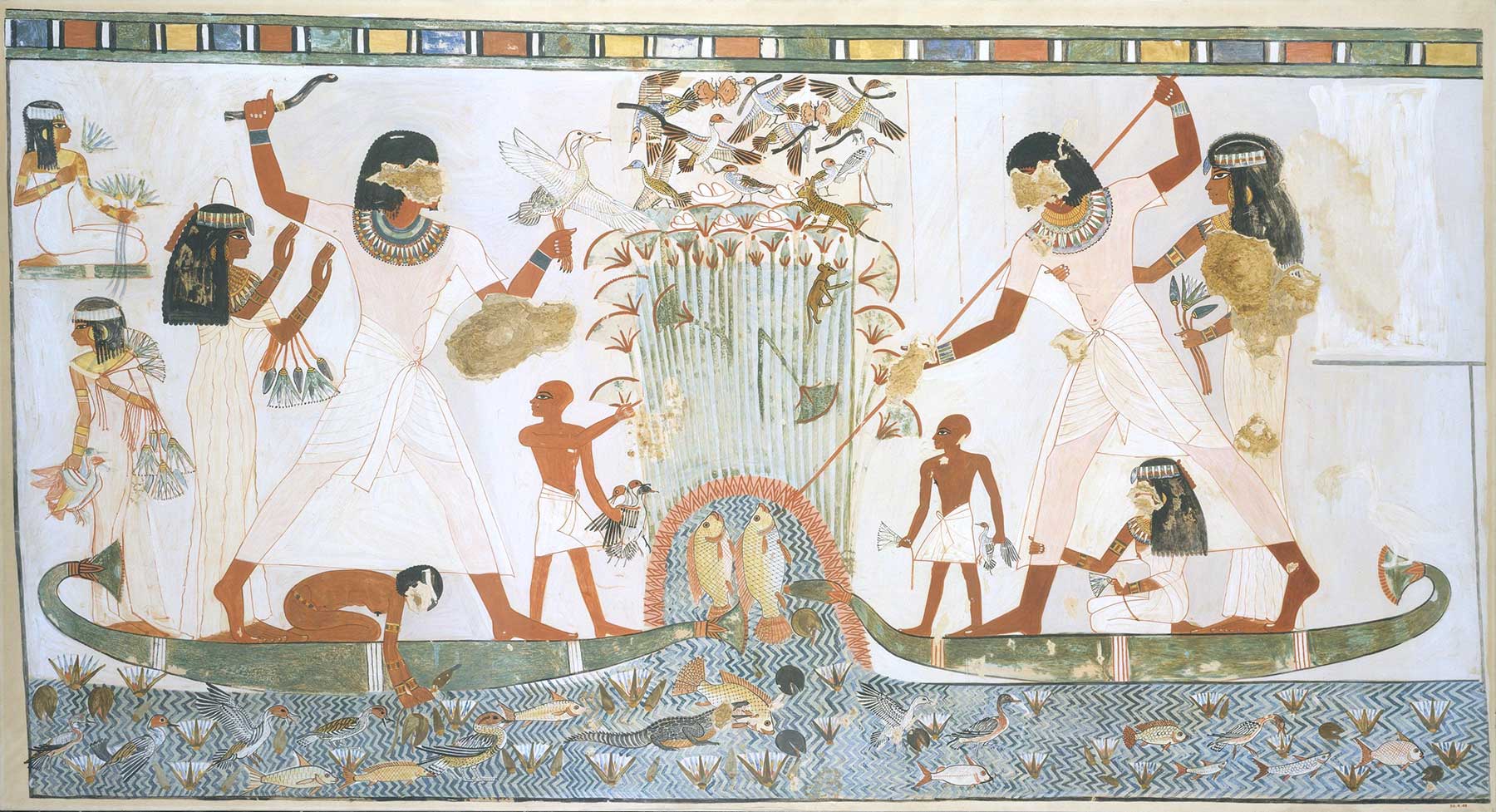
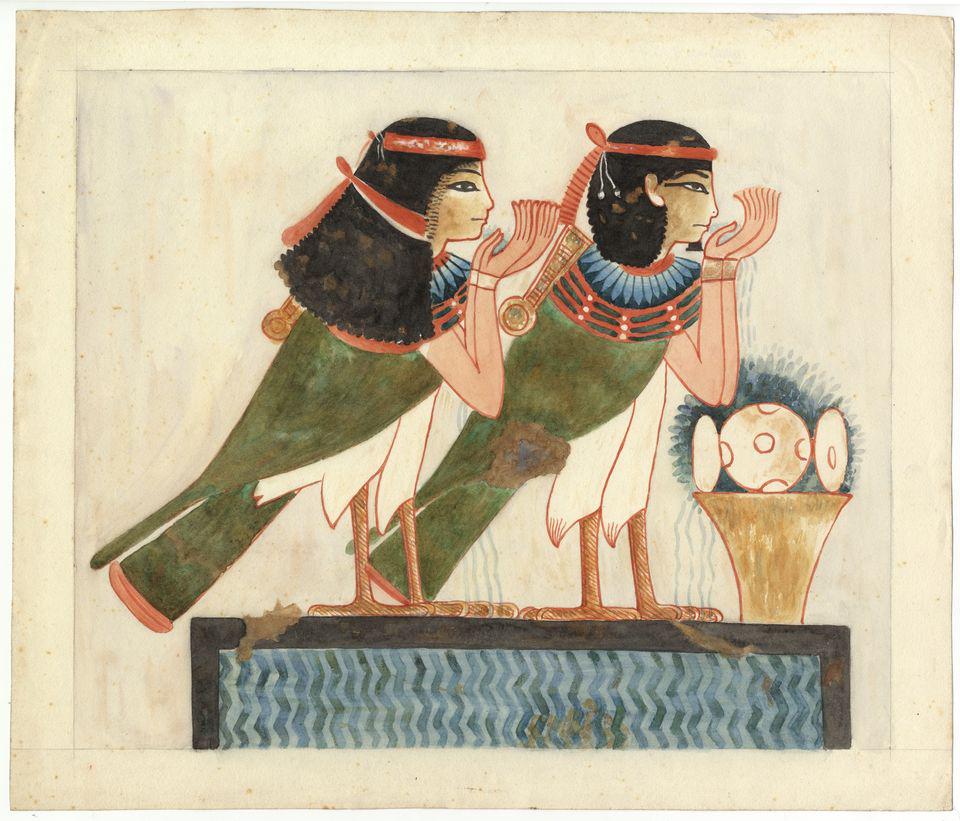
Nina worked primarily in watercolor and tempera, building layers that mimicked not just the flatness of ancient painted forms but the translucency of aged pigments and the texture of crumbling plaster.
"These scenes are of exceptional interest, both for their artistic merit and for the information they afford." she wrote, with characteristic understatement.
To look at Nina's facsimiles is to feel two artists present at once.
She often used a grid system to maintain scale and proportion, echoing the very structures ancient Egyptian artists themselves used to construct the human figure. The repetition of measured squares across three thousand years of art history is almost poetic when you sit with it.
Her copies feel alive rather than mechanical because she understood something essential. A line carries weight. The curve of a shoulder conveys intention. The tilt of a chin tells you something about the person who first drew it, and about the person carefully tracing it centuries later.
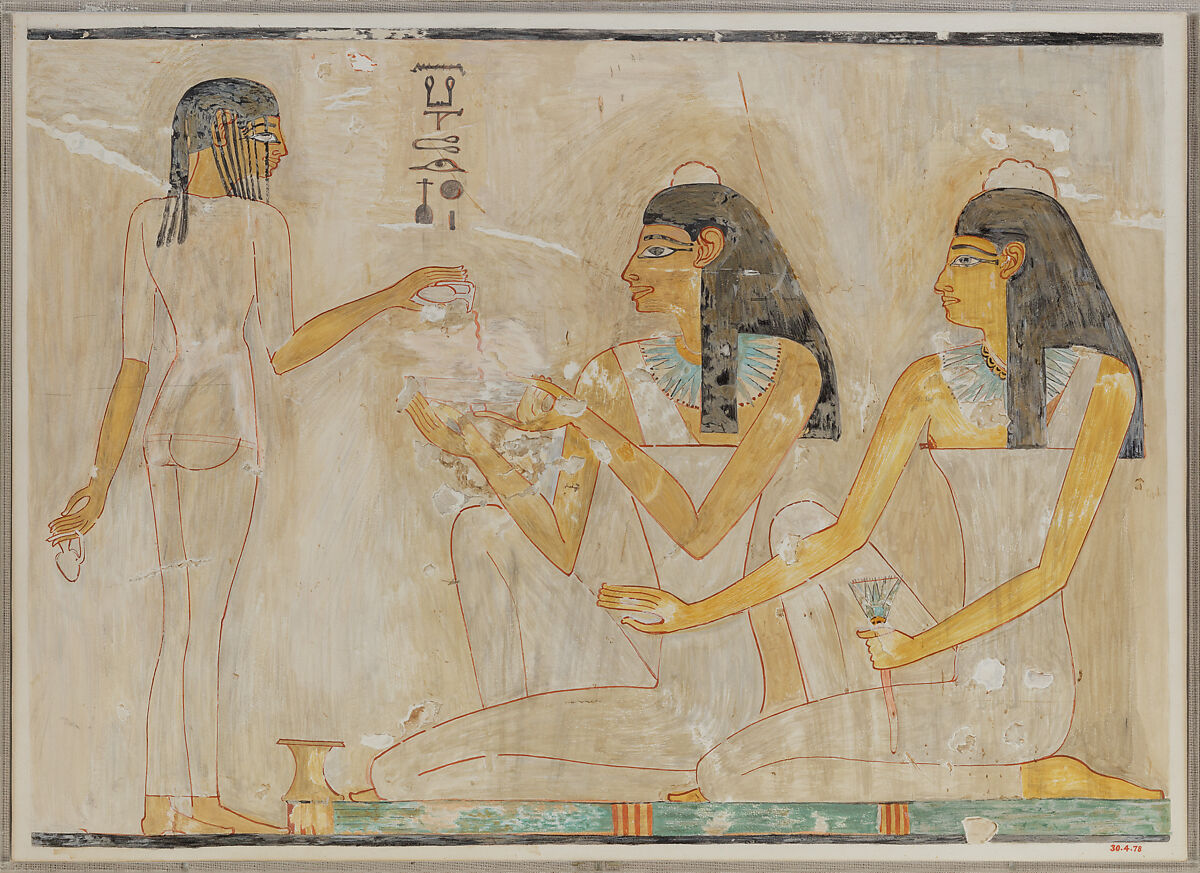
I've been thinking about Nina a great deal since returning from Egypt. Standing in those same dim spaces, feeling the particular quality of silence that lives in ancient stone, I kept wondering what it would feel like to return to that silence every single day for fifty years. To give your entire practice over to preservation rather than invention.
There's a lesson in that for all of us, though it's a subtle one.
We don't need to abandon our own vision to learn from Nina's devotion. But we can borrow her quality of attention. Her willingness to stay with one thing long enough to truly know it. Her understanding that repetition, far from being a creative limitation, is how deep knowledge forms.
She became a master not by inventing something new but by honoring what already existed. And in doing so, she created something entirely her own.
"I cannot imagine why my vision will have some value in the world and yet I know it will. I think I will count because I am patient and contemplative in some degree."
That wasn't Nina. That was Gwen John (who we just learned about in #86), writing to a friend in 1930. But it could have been Nina. It could be any of us, on the days when the work feels invisible and the patience required feels almost unreasonable.
Stay with it anyway. The colors, though often dimmed, are in many places still remarkably fresh.
Choose a simple motif inspired by this issue. It might be a lotus shape, a curved line suggesting water OR you can use Nina’s depictions of sample patterns she documented from her study and replication of several Ancient Egyptian paintings and murals….
On a single page, draw or paint the same motif repeatedly in rows or gentle variations. Keep the size consistent. Work slowly. Let your hand settle into a steady pace.
Notice how repetition shifts your awareness. The first marks may feel mechanical. Stay with it long enough for the rhythm to emerge.
Allow small variations to happen naturally, but do not force them.
Reflect: When did the repetition begin to feel meditative rather than repetitive? How does rhythm influence the mood of the page?
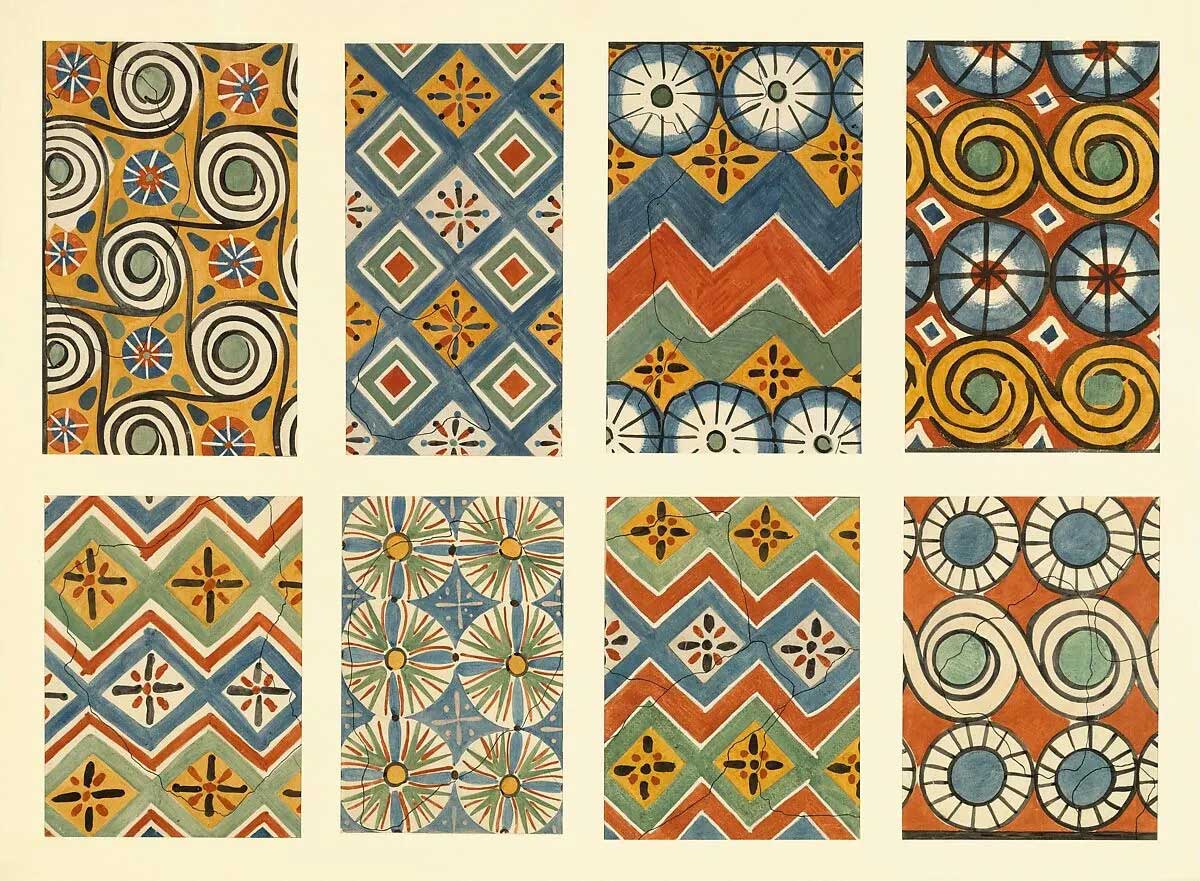
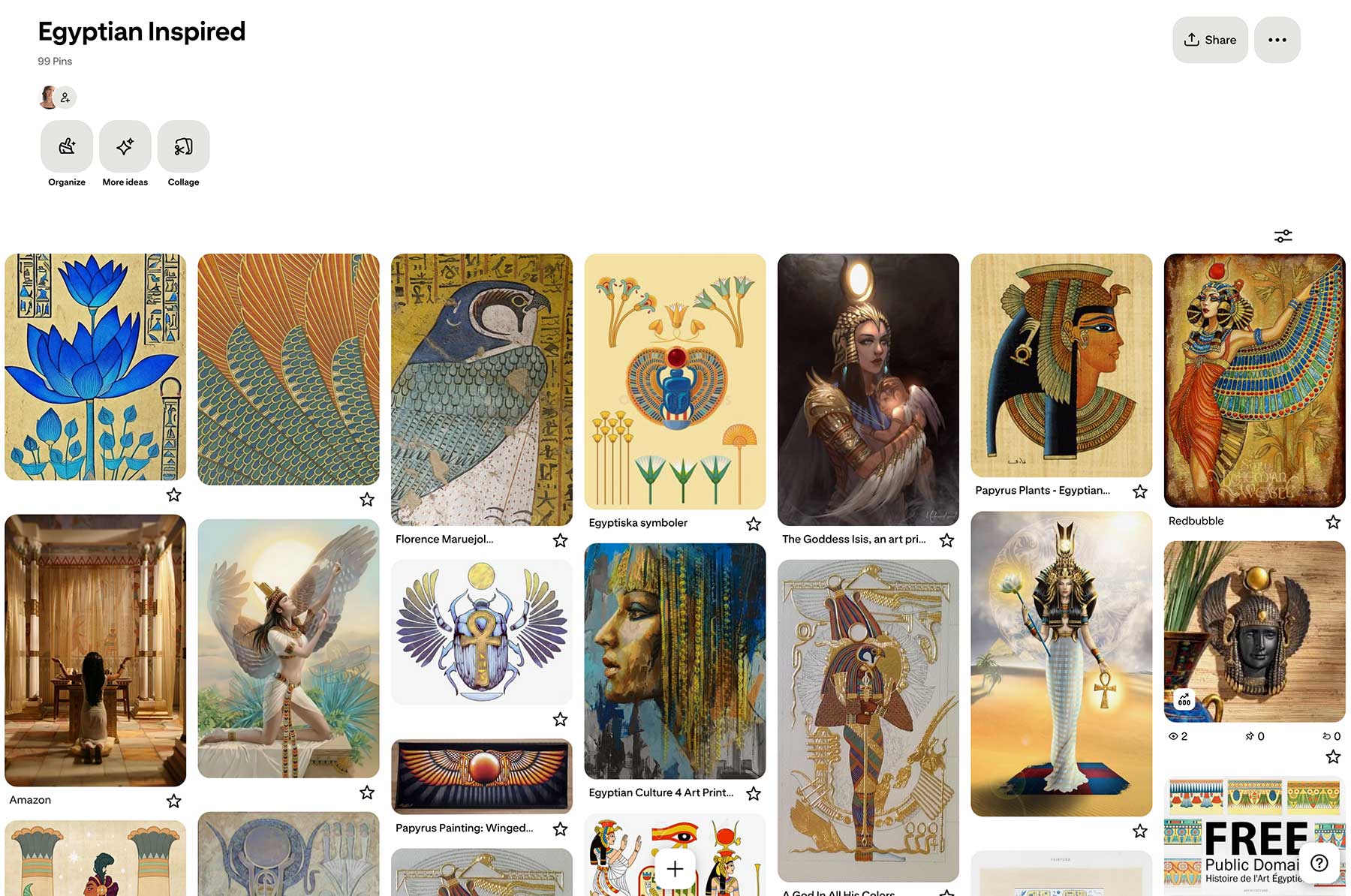
Find lots of Egyptian inspired patterns on this Pinterest board:
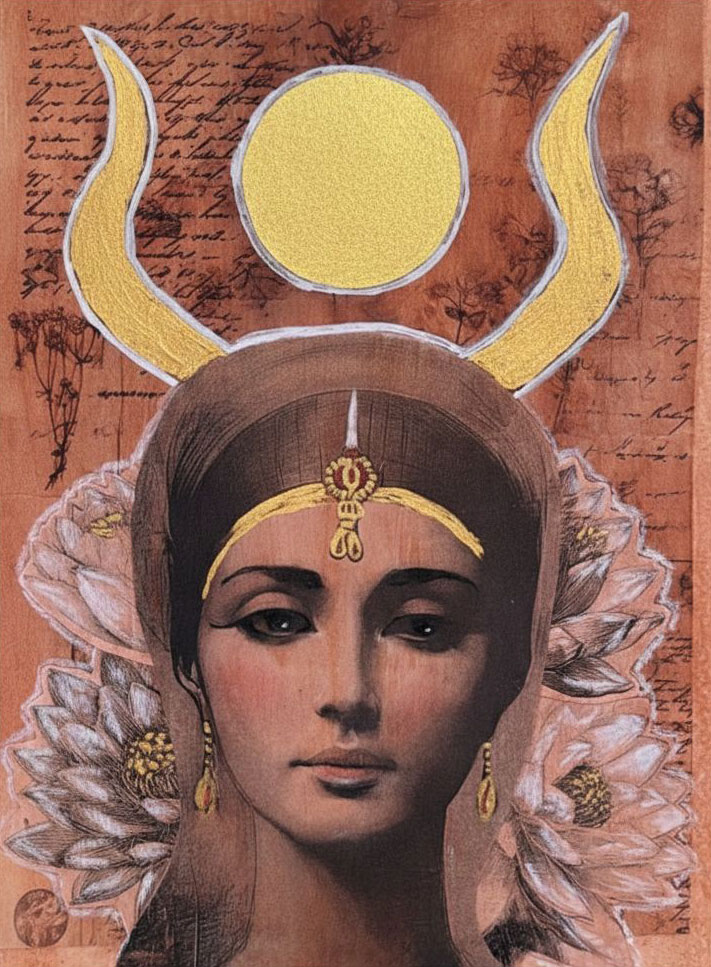
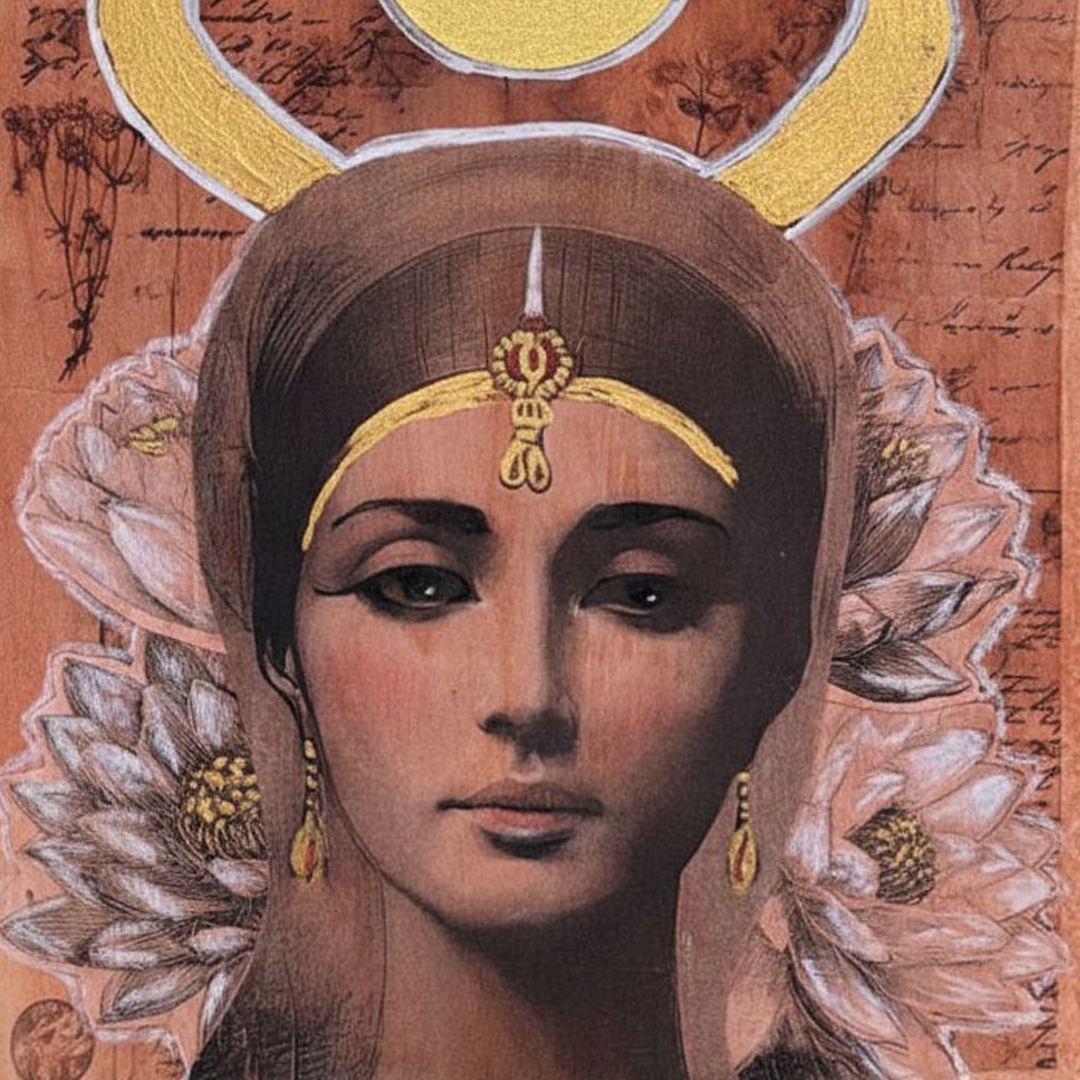
A beautiful collaged Goddess card of Hathor by one of my students on the Egyptian retreat - Genevieve Zizzo
We did this exact project on our Egyptian retreat and it was a great time! Choose either Isis or Hathor as your focus. Do not begin with a finished image in mind. Begin with qualities.
For Hathor, you might think of music, joy, fertility, protection, the desert sky at dusk.
For Isis, you might consider restoration, devotion, protection, steady strength.
On a small piece of heavy paper or card, begin building a collage using elements and ephemera. (I’ve included an Egyptian themed collage kit for you! The same one my Egyptian students had on their trip with me.)
Mix in from your own collage collection - torn paper, fabric scraps, gold leaf, handwritten words, painted swatches from this month’s palette.
Layer slowly. Allow materials to overlap. Add painted linework or simple symbolic shapes: a crescent, wings, a lotus, a sun disk.
Reflect: What quality of this goddess felt most alive in you as you worked?
Did the process feel celebratory, protective, grounding, or something else entirely?
Where might you place this small card in your studio as a reminder of rhythm and resilience?
Choose a facsimile painting (or a section of one) by Nina de Garis Davies that features a figure or a botanical element. Spend a few moments observing her "mineral" palette, the dusty ochres, faded blues, and earthy reds. Instead of making an "interpretation," try to make a faithful "copy" of a small section of her work. Work slowly, layering your colors to mimic the weathered, fresco-like texture of the original stone. Focus on the "rhythm" of her brushstrokes and the way she honors the marks made by the artist who came before her.
Reflect: What did you learn about Nina's patience by trying to match her "slow" pace?
How did the act of witnessing her marks change your own brushwork?
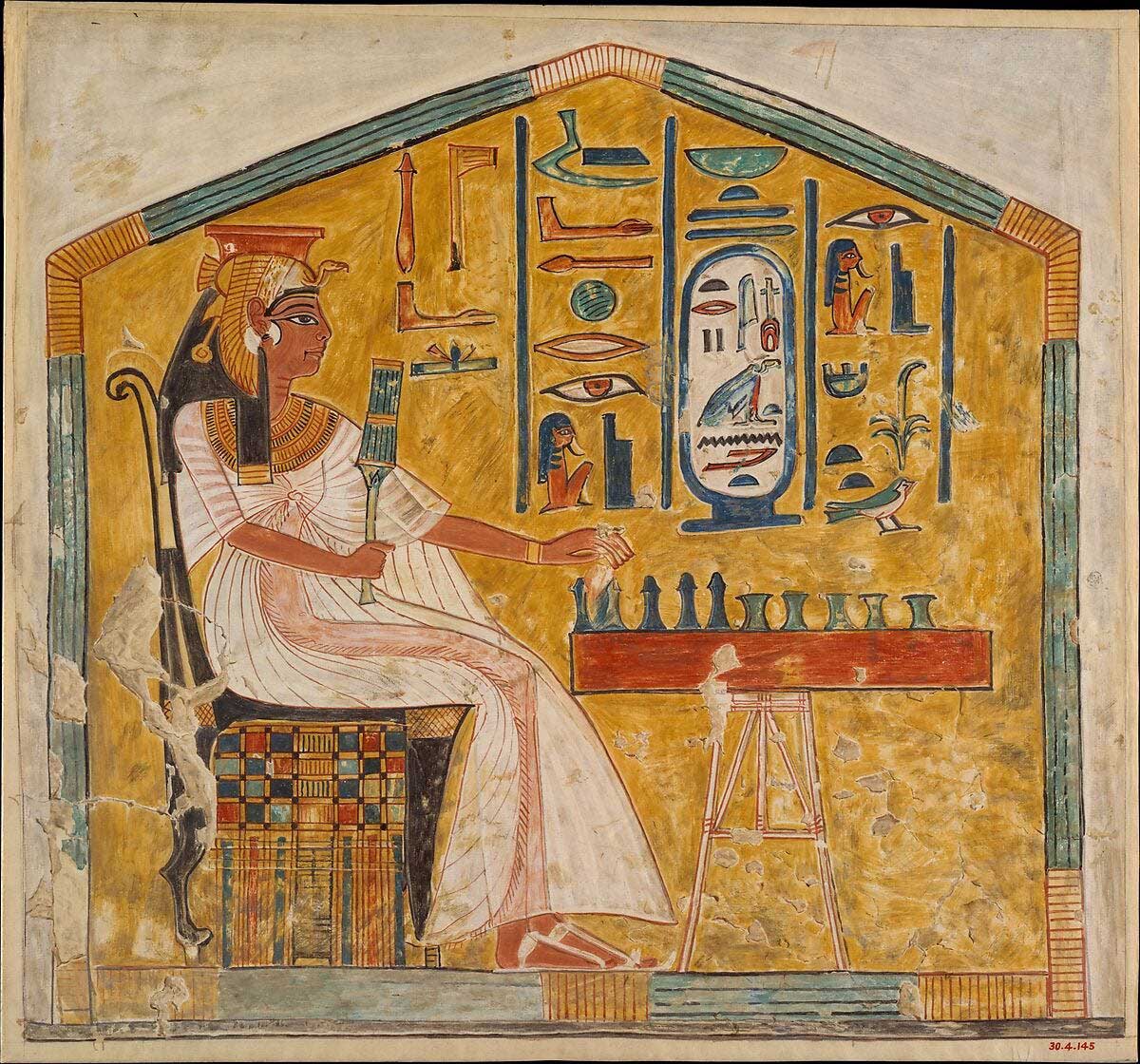
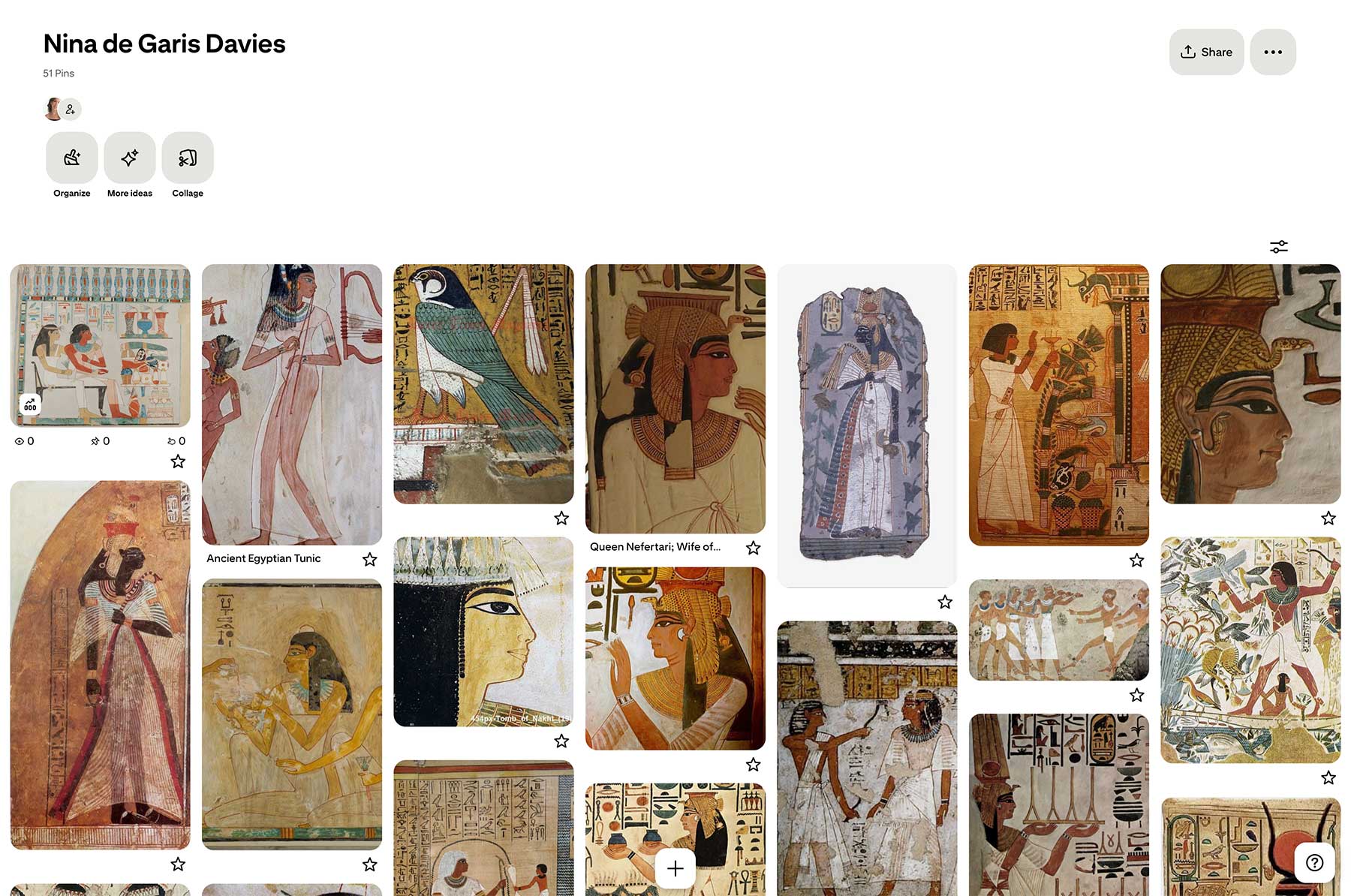
You can view our Pinterest board to see more of Nina de Garis Davies’ work…
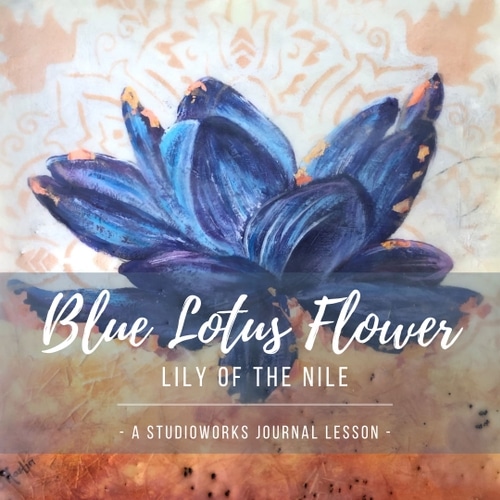
Explore the symbolism of ancient Egypt's sacred blue lotus flower through layered mixed-media techniques. Build a rich, textured background with diverse papers, then add depth through paint layering, stenciling, and gold leafing. Finish with an encaustic wax seal (just as the ancients did) for a stunning piece that blends traditional artistry with historical meaning.
You can also listen to this month’s issue of the Studioworks journal. I find I love listening to books, podcasts and music while I draw, paint or go on a long walk. Enjoy.
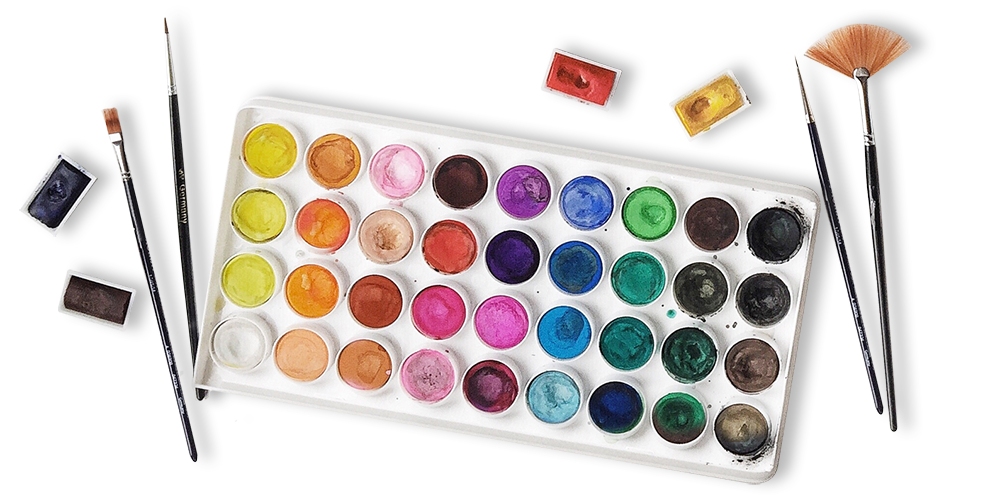
One of my favorite things to do is to curate inspiration. From Pinterest boards to books, resources, playlists and more - I love to share anything that might facilitate learning, expansion, and sparks of curiosity! Being an artist, we naturally crave these things so here are some of this month’s picks from me to you.
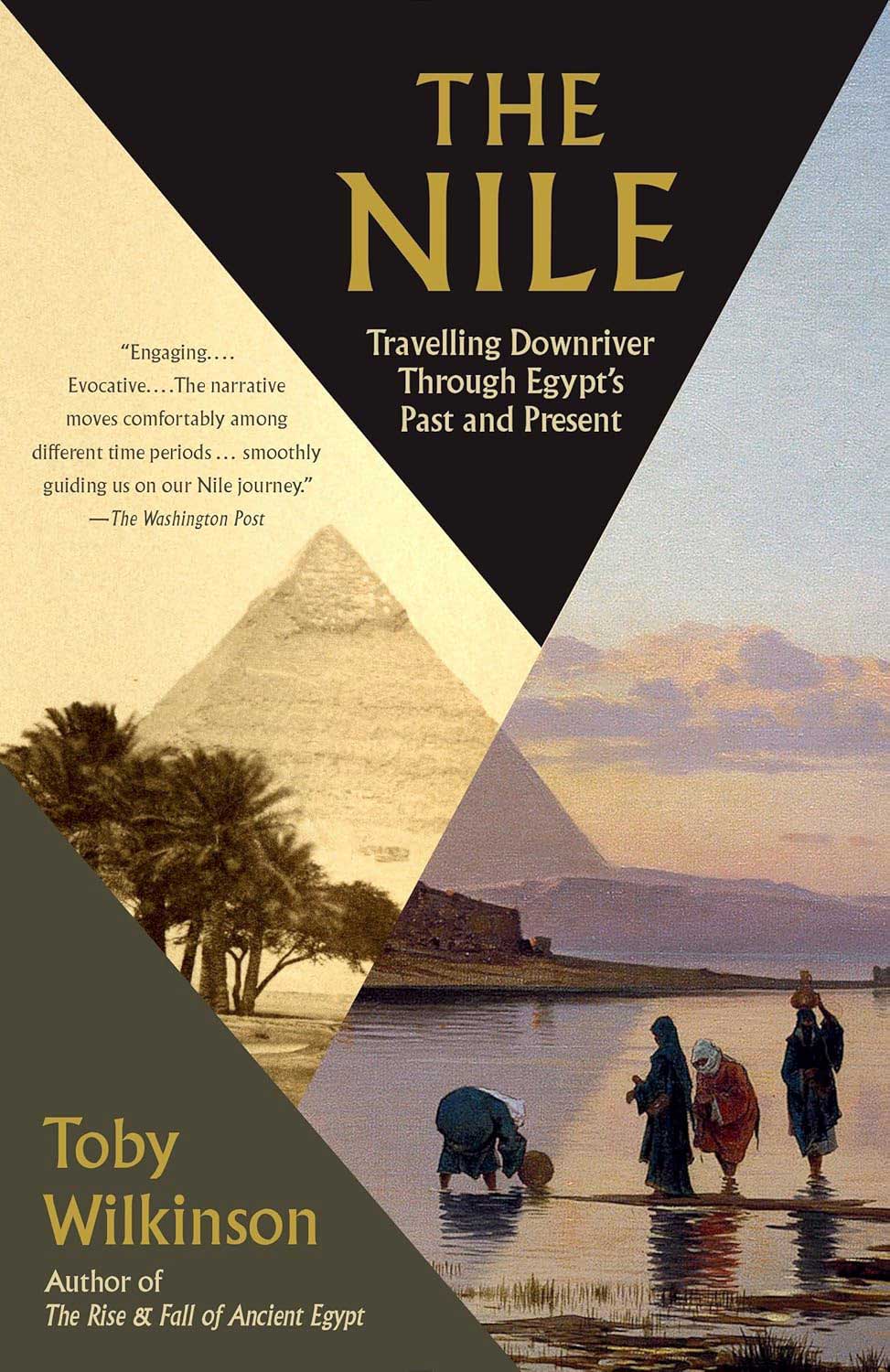
The Nile: Travelling Downriver Through Egypt’s Past and Present by Toby Wilkinson follows the course of the Nile to explore how the river shaped Egypt’s art, architecture, and daily life across thousands of years. Blending history with vivid storytelling, it reveals how an entire civilization moved in rhythm with the water. For artists, it’s a powerful reminder that creativity, like the Nile, flourishes when we align ourselves with natural cycles rather than constant urgency.
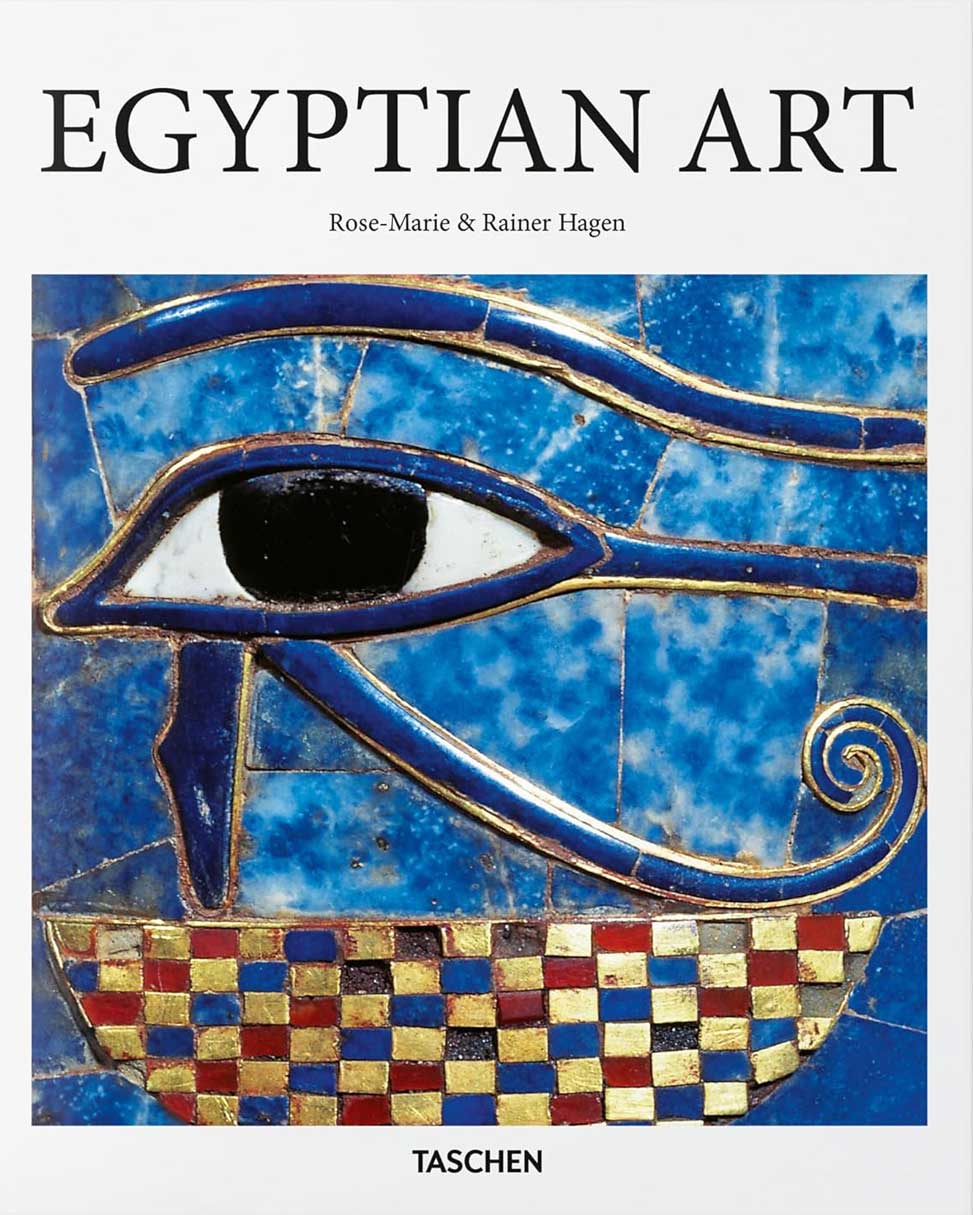
The Art of Ancient Egypt offers a clear, illustrated overview of Egyptian visual culture across three millennia. It explores tomb paintings, sculpture, architecture, and decorative arts, explaining how proportion, color, and symbolism reflected religious belief and social order. The book is both accessible and scholarly, making it an excellent foundation for understanding the visual language behind this month’s theme.
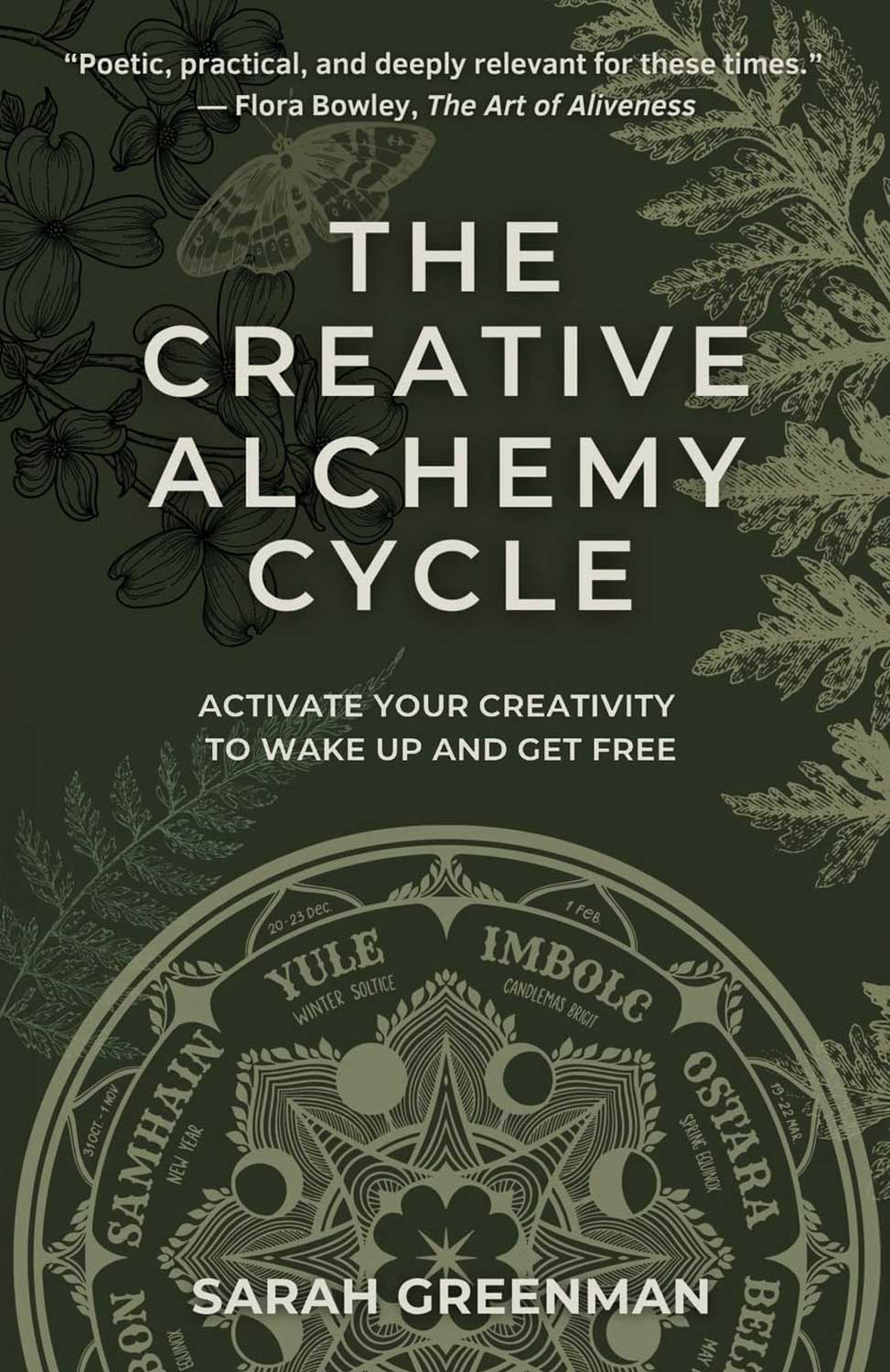
Creative Alchemy: The Cycle to Activate Your Creativity explores the natural phases of the creative process and how to work with them rather than against them. The book breaks creativity into distinct stages, helping readers recognize where they are in their own cycle and move forward with clarity instead of frustration. For artists navigating seasons of flood, growth, and harvest, it offers a practical framework for honoring rhythm and turning inspiration into sustained practice.
I had so much fun curating this list. I hope you enjoy!!
Classes that pair well with this month’s theme in your Studioworks Creative Library