Dear creative friends,
Welcome to Studioworks Journal, Issue No. 86.
In our last issue, we explored forward movement. Inspired by the energy of the horse, we leaned into momentum, direction, and the courage it takes to begin again. It was about trusting the impulse to move, even when the path ahead wasn’t fully visible.
This issue continues that conversation, but from a quieter place.
Before movement becomes action, there is instinct. A subtle orientation. A way our attention naturally settles before we consciously decide where to go next. This issue invites us to pause in that space and listen. Not to stop moving, but to sense what is guiding us beneath the surface.
One of my intentions this year is for each issue of the journal to speak to the next, building gently and flowing through the seasons rather than standing alone. Creative growth rarely happens in isolated moments. It unfolds through attention, repetition, and trust. What we explored last time does not end here. It deepens.
So this issue turns inward. Toward the inner gaze. Toward instinct. Toward noticing what draws us again and again, what holds our focus, what quietly asks to be followed. These are not distractions. They are signals.
I’ve been reflecting on how often we rush past this stage. We move quickly toward clarity or resolution without giving ourselves time to notice what our inner world is already revealing. Yet so much of our creative truth lives in these small moments of attention, in the places we linger without quite knowing why.
This issue is an invitation to practice listening inward. To trust where your attention lands. To allow instinct to guide you, gently and steadily, as your creative path continues to take shape.
With warmth,

The dead of winter has an ominous ring to it, but this masks the creative potency latent in a season of dormancy. Like deciduous trees drawing energy to their roots and core, this time of year calls us to nourish inner strength and inward attention. Some of the most influential art ever made was produced by those who trusted instinct, cultivated perception, and dared to explore the world within.
Throughout history, artists have scaled the walls of societal expectations, ushering in new epochs of creative expression. The emergence of modern art in the mid-19th century was such a time. Signature elements of this period include an emphasis on fresh ideas, an experimental spirit, breaking with tradition, and exploring abstraction through the lens of personal expression. Join me in examining artists who were bold enough to trust themselves, remaking the external world by gazing inward.
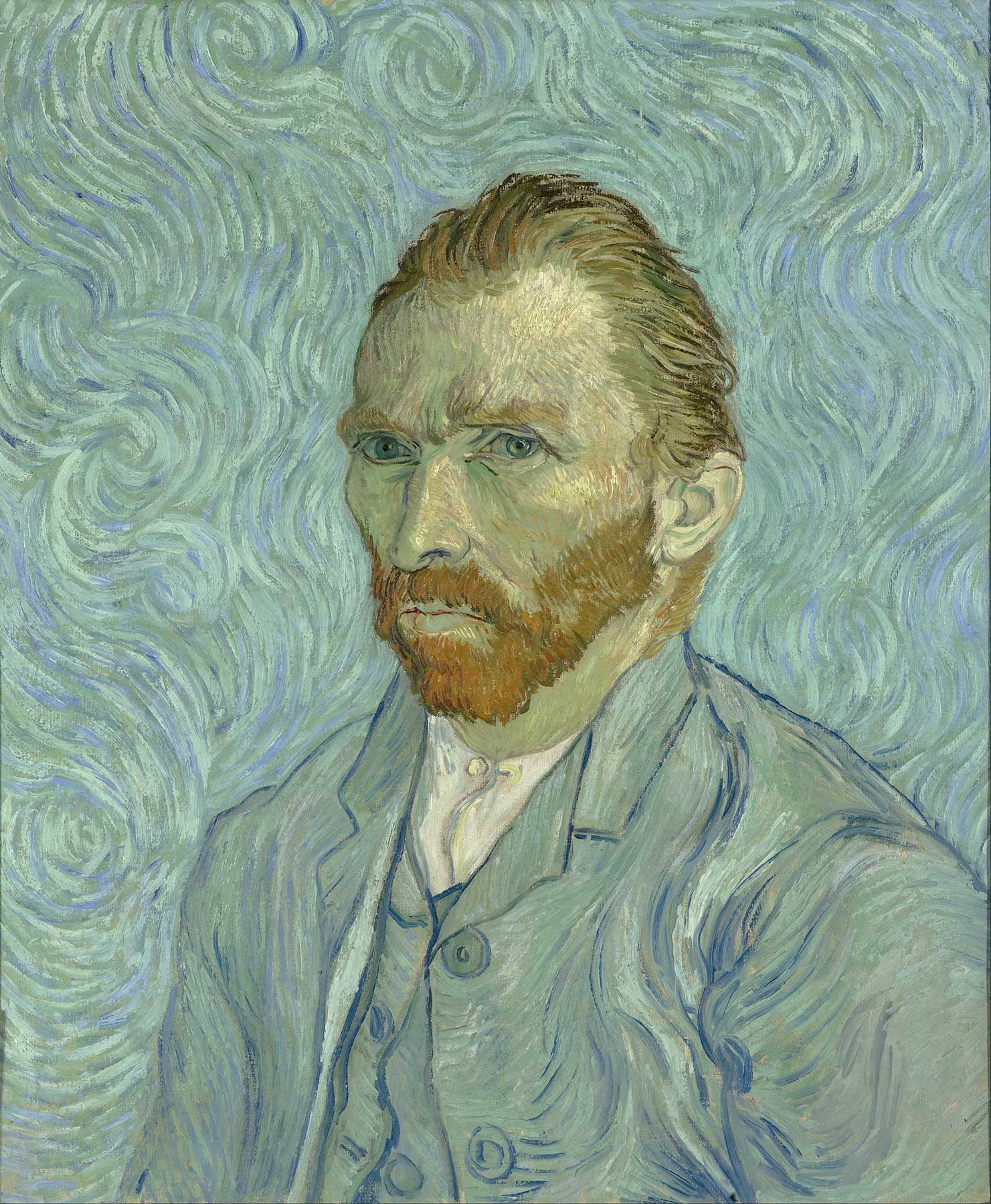
Self-Portrait
By Vincent van Gogh, 1889
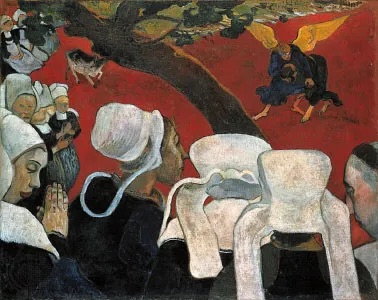
Vision After the Sermon
By Paul Gauguin 1888
The pioneering efforts of the Romantics, Realists, and Impressionists nourished the roots of modern art. Yet, the official launch of the era was the daring work of the Post-Impressionists and Symbolists.
The Post-Impressionists emphasized the highly personal, with each artist developing a style that conveyed their unique vision. From Seurat’s Pointillism, which belabored the science of color with its minute dots, to Gauguin’s Synthetism, which leaned into expanses of color for symbolic effect, to Van Gogh’s intensely emotional use of swirling, vibrant color to convey his internal state, no two artists' works were the same.
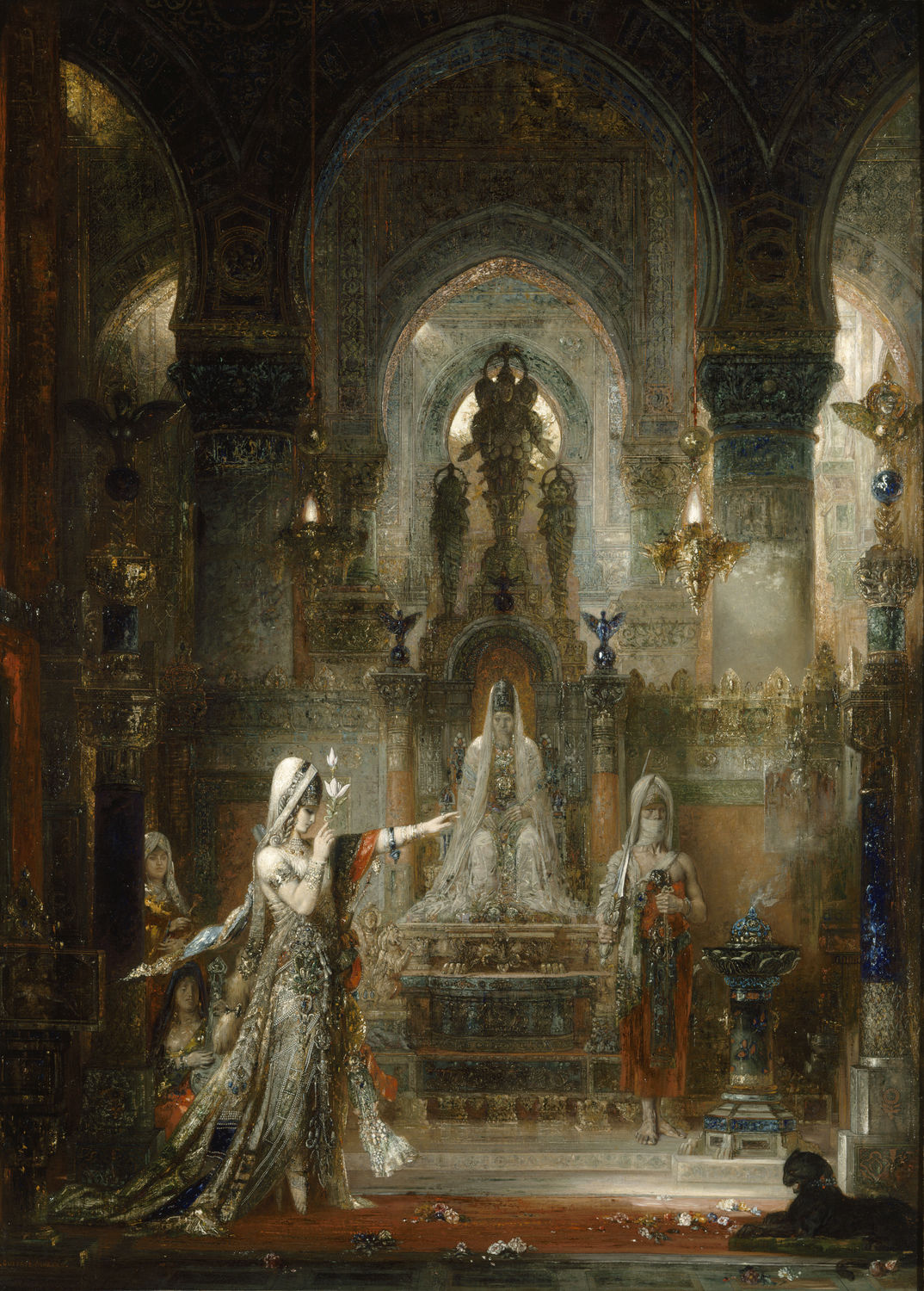
Salome Dancing before Herod
By Gustave Moreau 1876
For their part, the Symbolists rejected the confines of realism and objectivity, perceiving in them the roots of moral decay, and instead chose to pursue the expression of personal truth, moods, and emotions. Their emphasis on phenomena beyond sensory perception led them to explore mysticism, dreams, and the unconscious, employing tools such as metaphor, abstraction, and emotionally evocative imagery. The imagery tended to be biblical, as in Gustave Moreau’s Salome Dancing before Herod (1876); mythological, as exemplified by Arnold Böcklin’s Odysseus and Calypso (1883); or psychological, as in Odilon Redon’s The Crying Spider (1881). Whatever the artist’s choices, the works always relied heavily on introspection and self-reflection, demonstrating their interiority and the private logic through which they offered their craft to the world.
Between the Post-Impressionists and the Symbolists, the next hundred years of art were profoundly shaped. The Post-Impressionists, with their diversity and emphasis on the subjective, helped inspire divergent creative ventures, from Cubism to Neo-Impressionism to contemporary movements such as identity-based Feminist Art. Not to be outdone, the Symbolists laid the fertile ground for movements as diverse as Surrealism, Expressionism, and modernism.
Although many modern artists deserve credit for championing the value of honoring their instincts and inner perception, a few stand apart, exemplifying the transcendental ethos eloquently stated by Ralph Waldo Emerson: “Trust thyself: every heart vibrates to that iron string.” We’ve already given nods to those icons of interior expression, Van Gogh, and Moreau, and another obvious choice would be the expansively self-reflective Frida Kahlo. However, there are a couple of artists who are perhaps more easily overlooked in this category.
One such artist, Wassily Kandinsky, set as his goal no less than painting the human soul. A pioneer of abstraction, he felt as his motive force the urge to awaken the human spirit and create authentic meaning that impacted his viewers visually, the way music can, automatically, viscerally, and emotionally. He believed that artists were the apex of a spiritual triangle that spurs humanity toward expansive development. He emphasized the power of color and form, assigning sounds, vibrations, and symbolic import to each hue and shape, creating a visual language expressive of what he termed his “Inner Necessity.” In his piece Fugue (1914), Kandinsky beautifully evokes synesthesia- the stimulation of the visual overlapping with the experience of sound- while showing the intricate orchestral structure and harmony of his own soul.
Another artist whose long life and repeated re-invention landed her outside of easy categorization was Louise Bourgeois. She dabbled in everything from Modernism to Surrealism to Body Art and was a pioneer of Feminist Art. She was adept across many media, from painting, textiles, and totem-like sculptures early on, to intricate, emotionally charged plaster assemblages in midlife, and a plethora of found objects, fabric, latex, and other materials best suited to address psyche and internal processes in her late career. From her Femme Maison (1946-47) series to her monumental Maman (1999), the power of Bourgeois, which propelled her eight-decade career, was rooted in her deeply personal expression of memory, trauma, and the lived experience of the body, along with her willingness to plumb the depths of her psychological process and boldly share what she unearthed there.
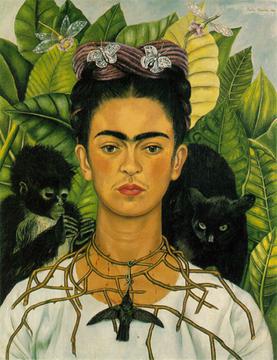
Self-Portrait with Thorn Necklace and Hummingbird
By VFrida Kahlo, 1940
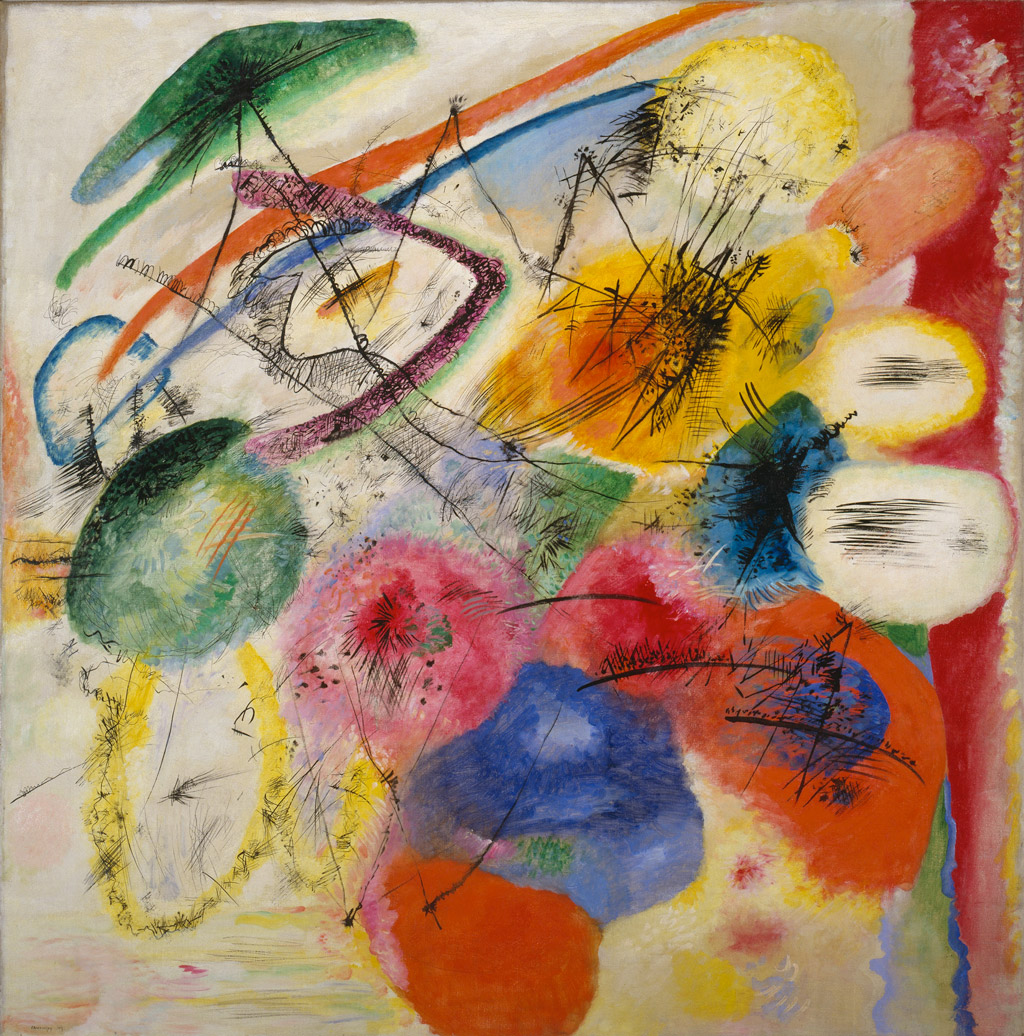
Black Lines
By Wassily Kandinsky 1913
Just as cold weather sends us indoors to seek shelter, certain epochs prompt us to explore our inner terrain. Whether it's a cultural shift like industrialization or the shock of war, when the landscape of life is altered in major ways, forward-thinking artists often take the helm, creatively carving a way forward for humanity.
Modern art is the byproduct of many artists learning to trust their instincts and giving rise to unique manifestations of what lies within. The courage to make art that is both personal and against the grain is what makes many of the heroes of this era so unforgettable. They remind us of the power available when we turn our gaze inward and hone our inner perception, finding the tap root of creative inspiration from which new life can spring.
Instinct doesn't usually show up with a trumpet blast. More often, it is a quiet, slightly annoying snag in your field of vision. It is the way your eye keeps returning to a muddy shade of ochre you didn't even mean to mix, or a jagged line that feels out of place but refuses to be painted over. Before we find a fancy name for it like "vision" or "intuition," instinct is simply where you can’t help but look.
We are conditioned to fight this. We start the day with a rigid "to-do" list for our canvases. We set intentions and decide exactly what we should be working on before we even pick up a brush. While structure keeps us moving, it can also act as a silencer for the messy, honest signals our brain is already sending us. Attention is a far more reliable narrator than our intentions.
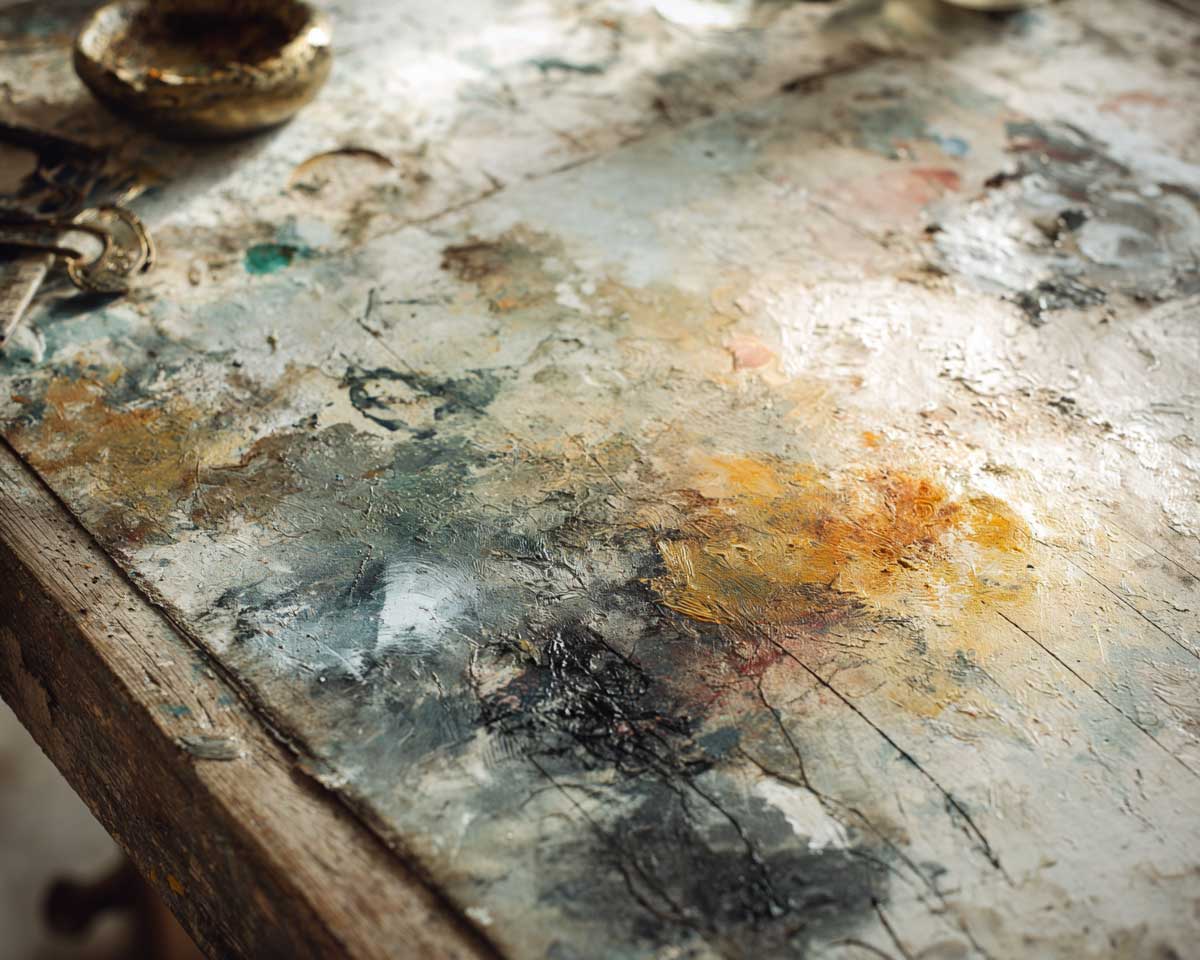
Following your attention isn't about being lazy or giving up on discipline. It is about working with the grain of what is already alive on the page.
In a real studio, this looks less like a meditation and more like an obsession. You might find yourself reaching for the same scrap of charcoal or sketching the same architectural curve over and over. Instead of dismissing these repetitions as "bad habits" or distractions, try treating them as hard data. Ask yourself why that specific shape is demanding so much space. What is it offering that feels necessary right now?
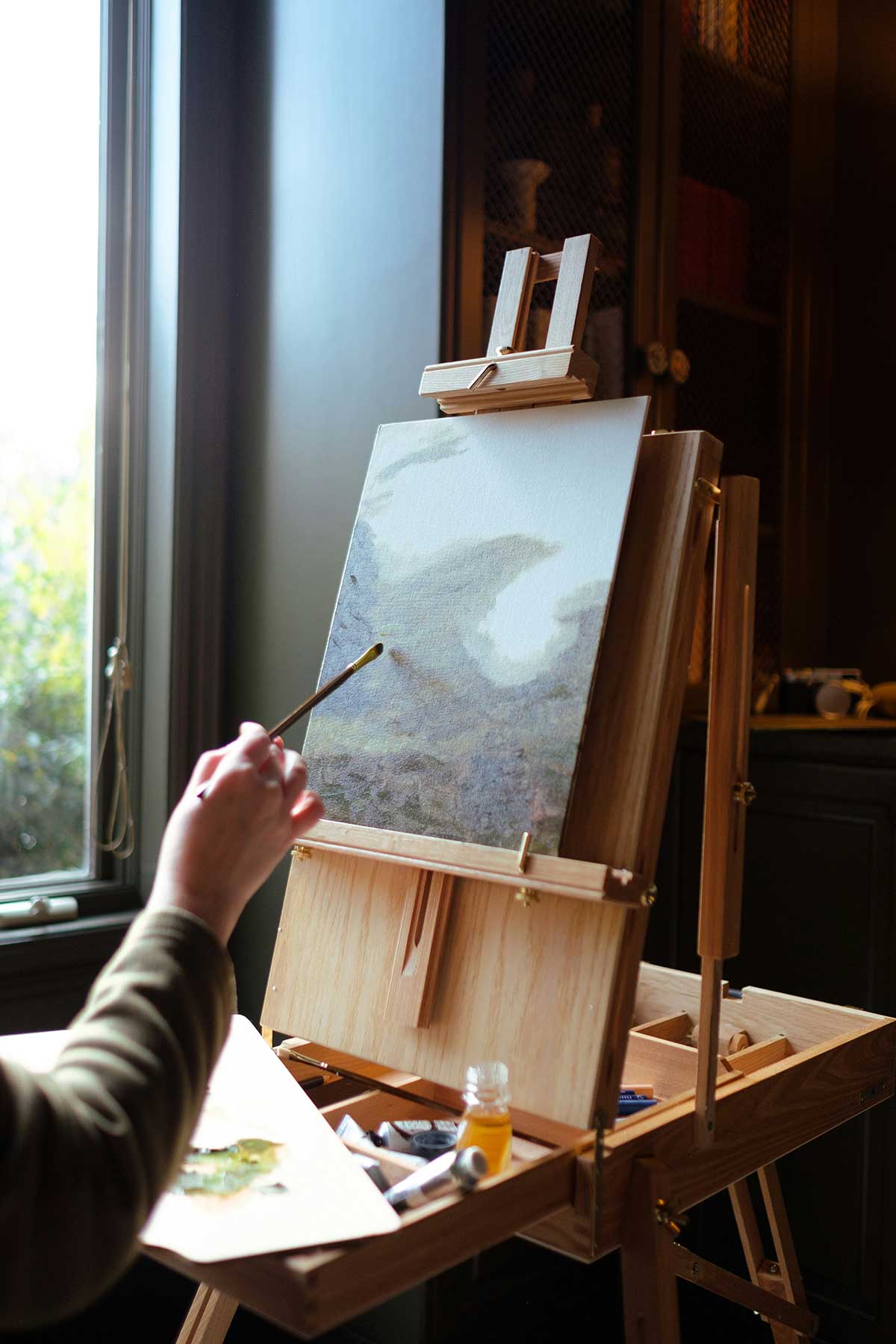
This kind of listening is slow and often frustrating. Attention doesn’t have an "export" button. It deepens only when you stay in the room with it. When we rush to finish a piece or force a resolution because we’re tired, we end up buried under a pile of cliches. Staying with a difficult color without needing to justify it allows a deeper kind of logic to emerge on its own.
Try working without a map for twenty minutes. Start with a texture or a subject that feels a bit "wrong" but compelling. Let the work dictate the next move. You will feel a physical shift: a tightening in the chest when you fight the impulse, or a sudden ease when you finally give in to it. These are biological cues. They are worth more than any "how-to" book.
Following your attention also means you have to stop looking over your shoulder. Instinct is a private language. What draws you might look like a mistake to someone else, and that is usually a sign you are on to something. Creative clarity comes from honoring the specific, weird truth of your own eyes rather than trying to look productive for an imaginary audience.
There are times when the spark just goes out. That shift matters too. Losing interest in a series isn't a failure of character; it is a signal. It might mean the lesson is over or that your focus needs to hibernate. Listening means respecting the "no" as much as the "yes."
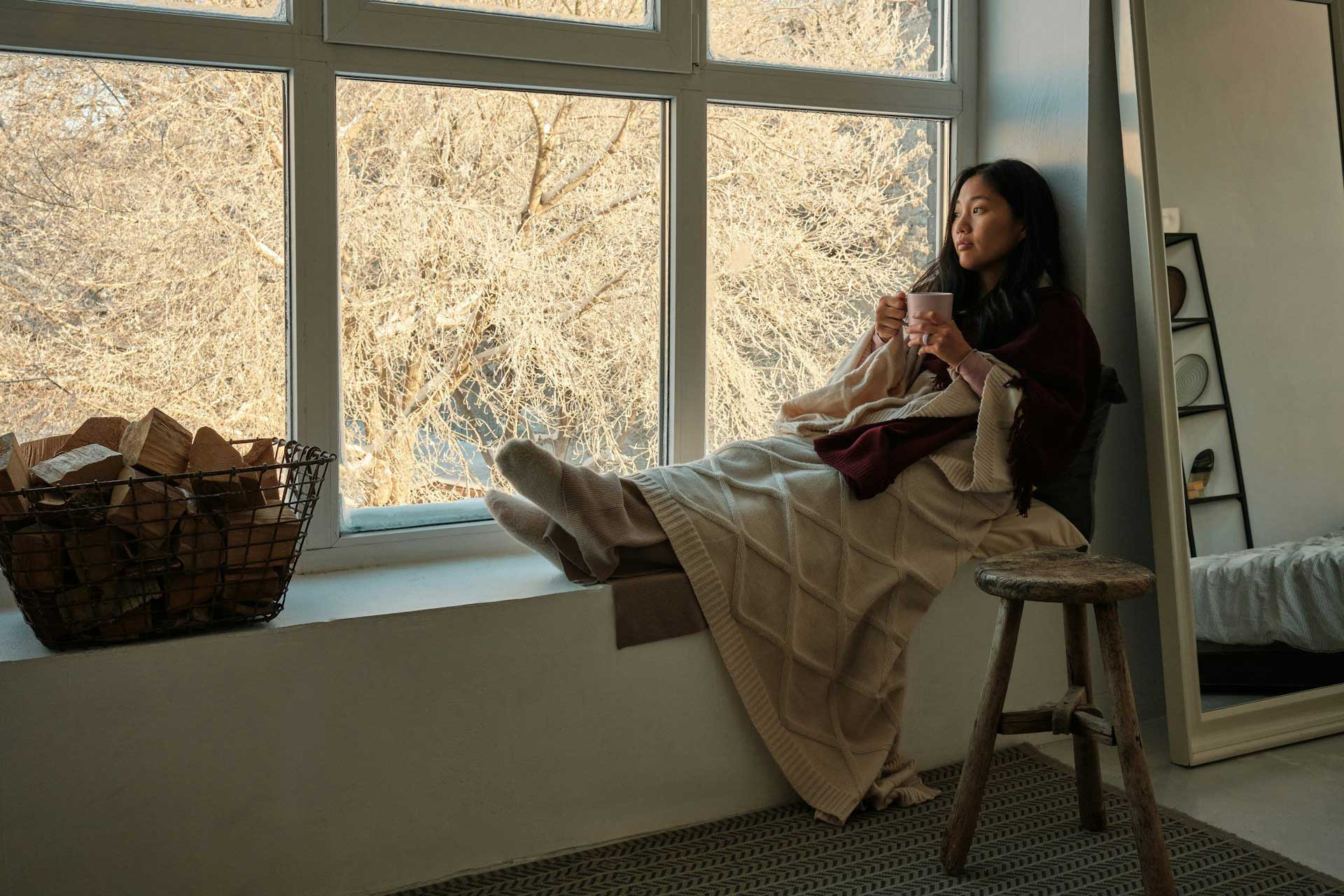
Over time, this practice builds a different kind of confidence. It isn't the loud, performative kind. It is a steady, quiet trust in your own nervous system. You begin to realize that your creative life already has its own compass. Your job isn't to build the path: it is to clear the brush and follow where your eyes are already leading you.
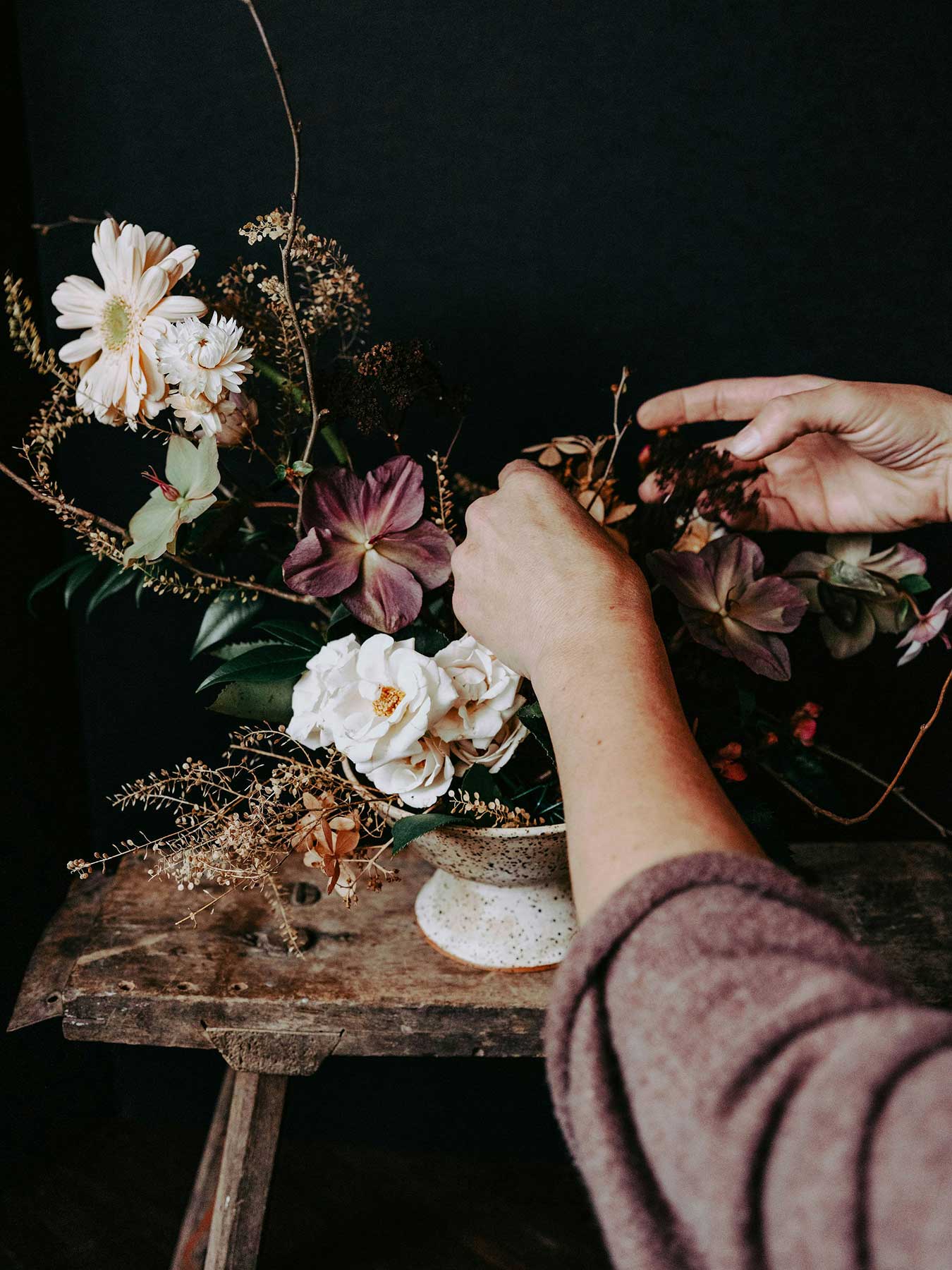
According to the Oxford English Dictionary, instinct is defined as:
• A natural or innate impulse, inclination, or tendency.
• An innate capacity for behavior guided by internal rather than learned responses.
• Notice repetition. Pay attention to colors, shapes, or subjects that keep returning in your work. Repetition is often instinct trying to get your attention.
• Slow your pace. Work more slowly than feels necessary. Instinct needs time and quiet to surface.
• Limit your choices. Reduce materials, palette, or scale. Fewer decisions make it easier to sense what feels right.
• Listen to your body. Notice moments of ease, tension, or resistance as you work. These physical responses often signal instinct more clearly than thought.
• Let work rest. Step away from unfinished pieces and return later. Distance often clarifies where your attention wants to go next.
• Follow small pulls. Instinct rarely shouts. Trust curiosity, warmth, or subtle interest as valid guides.
Honing instinct isn’t about forcing intuition. It’s about building trust in your own attention, one small decision at a time.
Let’s tap into our creative intuition and do some self-reflective work inspired by our theme. Below you will see our month’s Oracle/Tarot card spread. But fear not, if you are not one drawn to using oracle or tarot cards, no worries, just use the accompanying reflective questions as writing prompts for your journals!
Here’s a three-card oracle spread that fits seamlessly with our monthly theme. Take a deep breath, grab a cup of tea and enjoy.
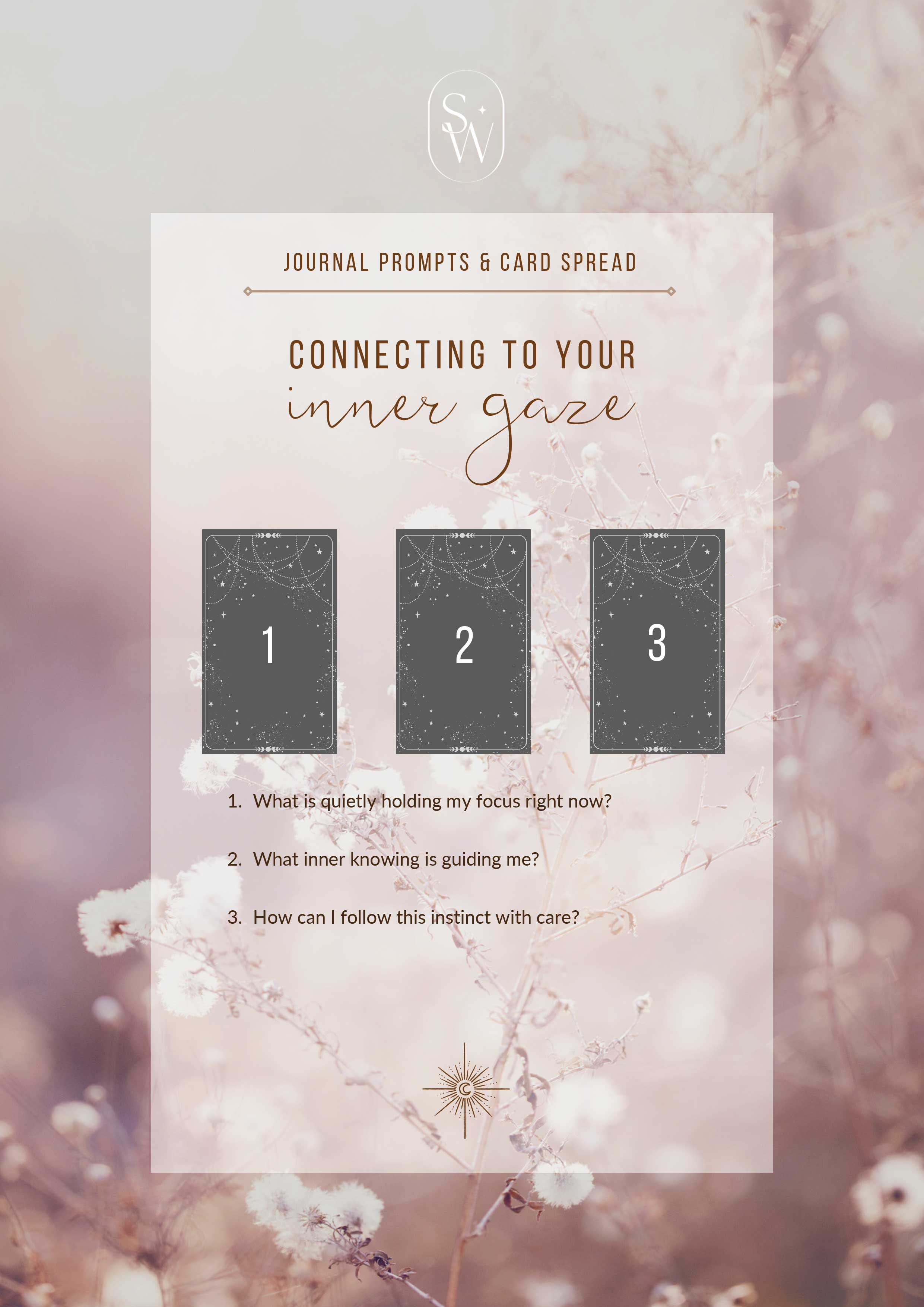
This spread is designed to help you listen inward and notice where your attention naturally wants to rest.
Card 1: Where My Attention Rests
What is quietly holding my focus right now?
This card reveals what you’re already noticing, even if you haven’t named it yet. It points to the subject, feeling, or area of your life or practice that is asking to be seen.
Card 2: The Instinct Beneath
What inner knowing is guiding me?
This card speaks to the subtle intelligence working beneath thought and planning. It offers insight into the instinctive pull shaping your choices and responses.
Card 3: The Next Gentle Step
How can I follow this instinct with care?
This card offers guidance on how to move forward without forcing. It suggests a small, supportive action that honors your attention and keeps you aligned.
Set aside a quiet moment before drawing your cards. As you turn each one, notice your first response before interpreting. Pay attention to sensations, colors, or emotions that arise. This spread works beautifully with both oracle and tarot decks and can be revisited whenever you feel unsure of your direction.

This is a simple, short meditation (just over five minutes), yet deeply effective for centering yourself before listening inward. It helps clear distraction and settle outside noise so you can return to your own rhythm. I often use it right before beginning work in my studio. Think of it as a gentle reset for your creative resonance.
Here’s a little more information from Rachel…
This is a vocal sound healing session that uses singing bowls and heart language. Listening to this piece of music serves to awaken, cleanse, and connect our crown chakra with our heart chakra, allowing divine love and wisdom to flow through us. All you have to do is close your eyes, take a deep breath, relax, and listen as you begin to soften into a meditative state, and allow the healing sounds to work their magic.
lots of love,
Rachel
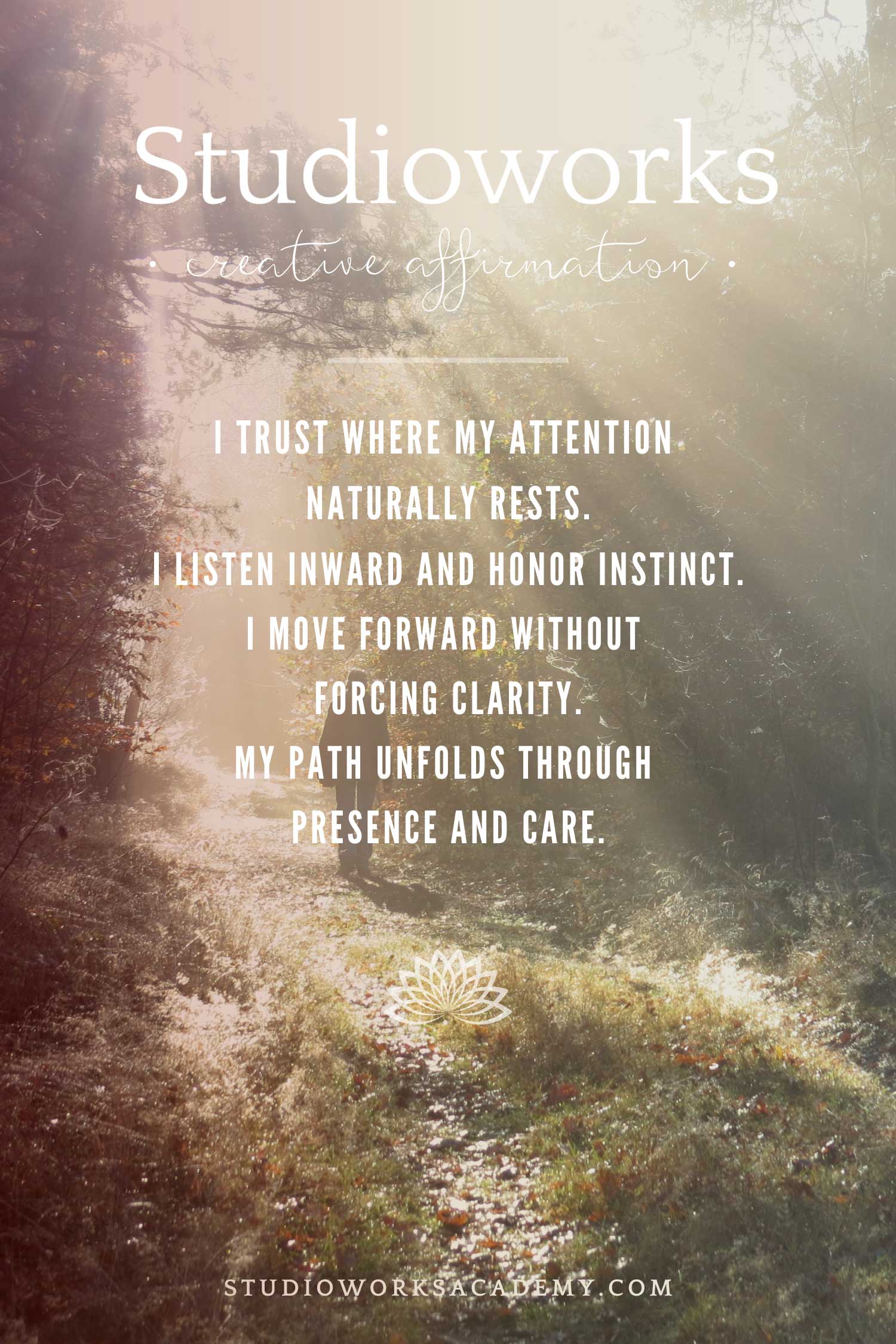
Each month we will have a positive affirmation. I recommend you print out this affirmation and put it in your sketchbook or somewhere in your studio. Recite the affirmation out loud each time you show up to create. Saying words aloud is powerful and can begin to re-write some of our own limiting beliefs or calm our fears. Try it now…
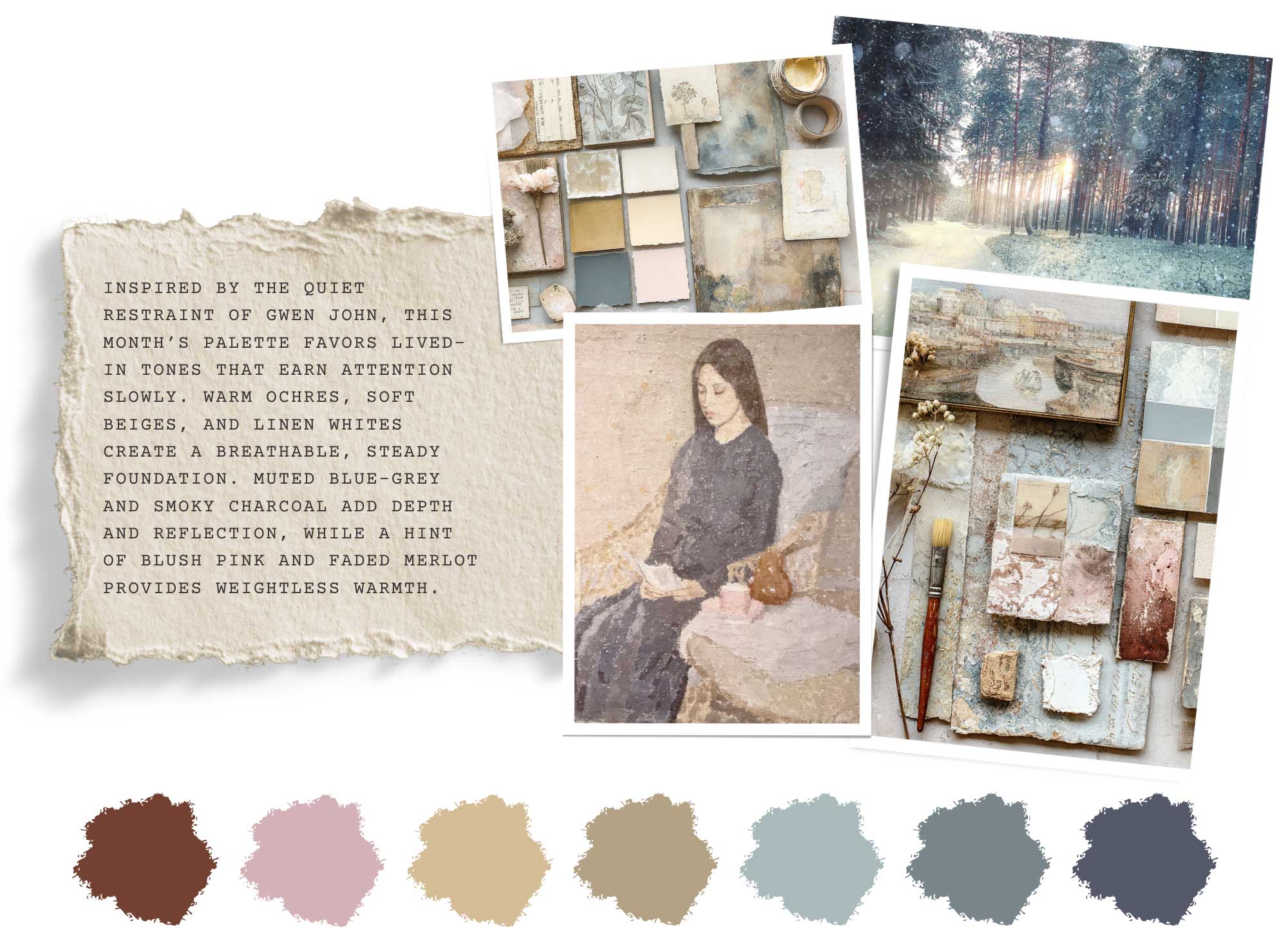
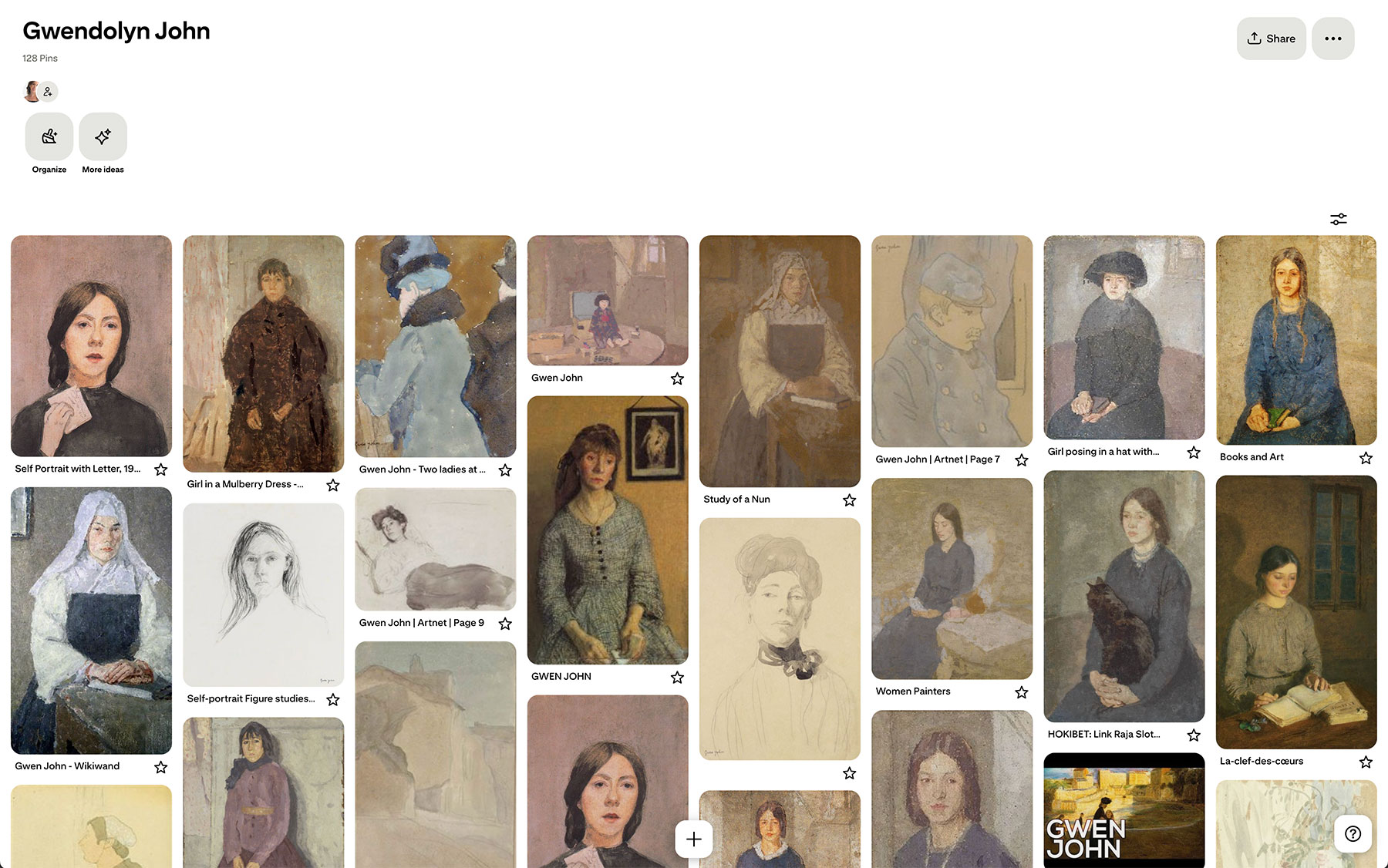
This month’s palette is inspired by the quiet, thoughtful colors found in Gwen John’s work. These are gentle, lived-in tones that don’t ask for attention but slowly earn it. The palette supports a slower pace and a more inward way of working.
Warm ochre and soft beige create a steady base. Muted blue-grey brings calm and reflection. Linen white keeps the palette open and breathable. A touch of blush pink adds subtle warmth, while faded merlot offers depth without weight. Smoky charcoal grounds everything and keeps the palette from drifting.
These colors work best when they’re allowed to stay soft. Nothing needs to be pushed. Let the neutrals do most of the work, bring in blue when you want space or quiet, and use warmer tones sparingly, only where they feel true.
This palette encourages patience and close looking. It’s less about making a statement and more about staying present with what’s already there.
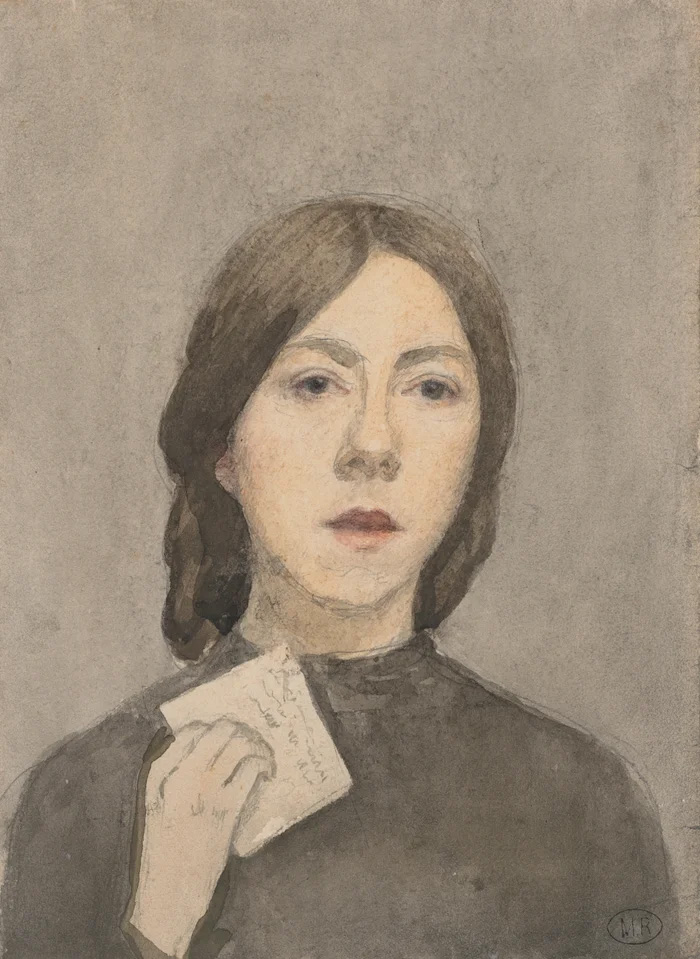
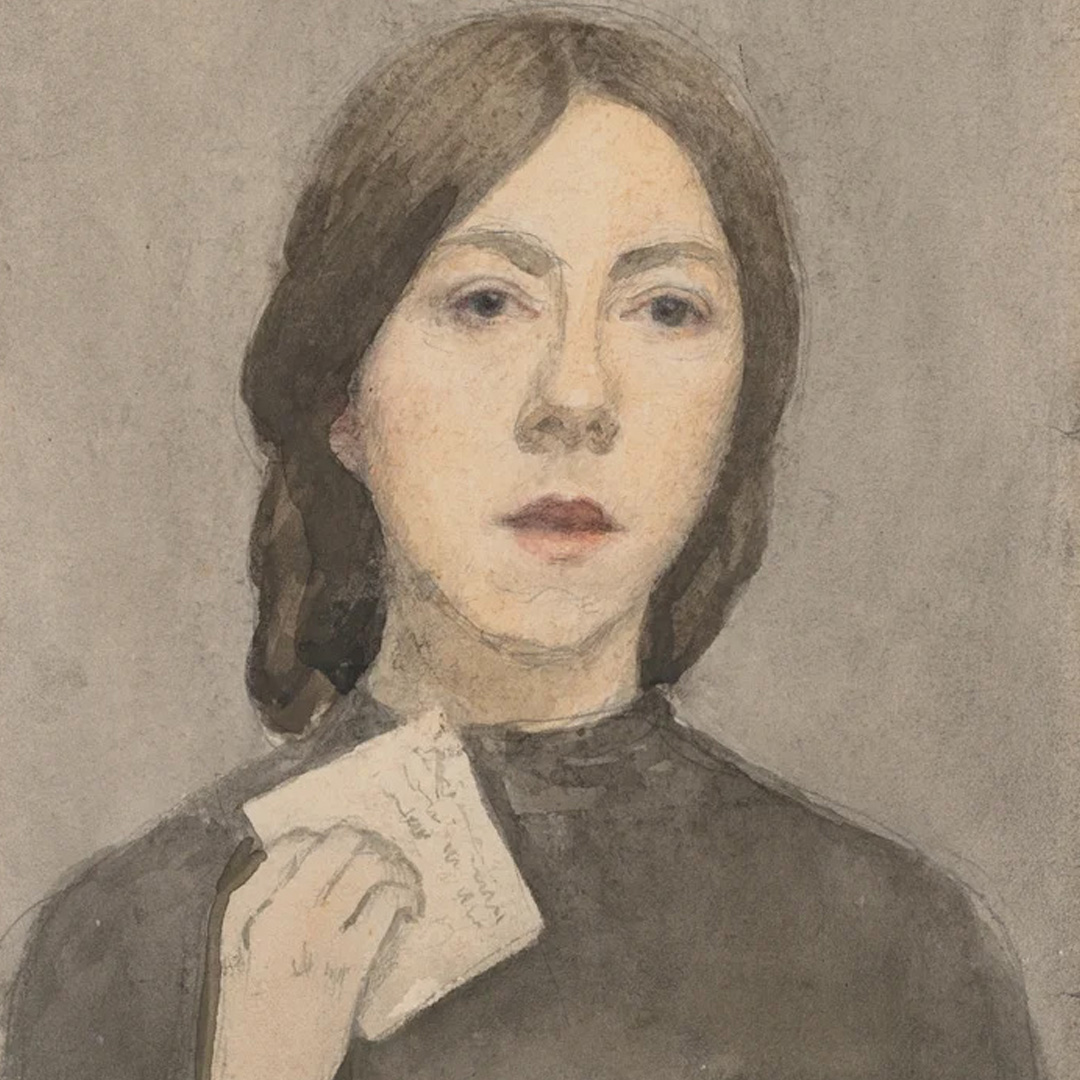
Self-Portrait with a Letter
By Gwen John, 1907-1909
In this Master Study, we return to Gwen John, whom we first featured in Issue No. 40, but with a different lens. Rather than focusing on her finished paintings, this issue looks behind the scenes at her inner world through her letters, sketches, and working habits. Gwen John was guided less by external trends and more by instinct and sustained attention. She returned again and again to what quietly fascinated her, trusting her inner pull even when the results appeared modest or repetitive to others. Her private writings and studies reveal an artist deeply committed to listening, observing, and following her own rhythm, offering a powerful model for artists who value inward focus over outward noise.
Gwendolen Mary John was born in Haverfordwest, Wales, on June 22, 1876, the second of four children in a family that valued literature and art from the start. Her mother, an amateur watercolor painter, encouraged her earliest artistic impulses, and Gwen’s surviving drawings of beached gulls, shells and fish suggest a young eye already tuned to careful observation. At 19 she left Wales for London, enrolling at the Slade School of Fine Art at a time when women artists were only beginning to claim space in serious training. From there she moved to Paris in 1904, joining the city’s vibrant art world and eventually becoming both model and lover to the great sculptor Auguste Rodin. She stayed in France for most of her life, working, sketching, and slowly building a body of work that now holds a central place in 20th-century art.
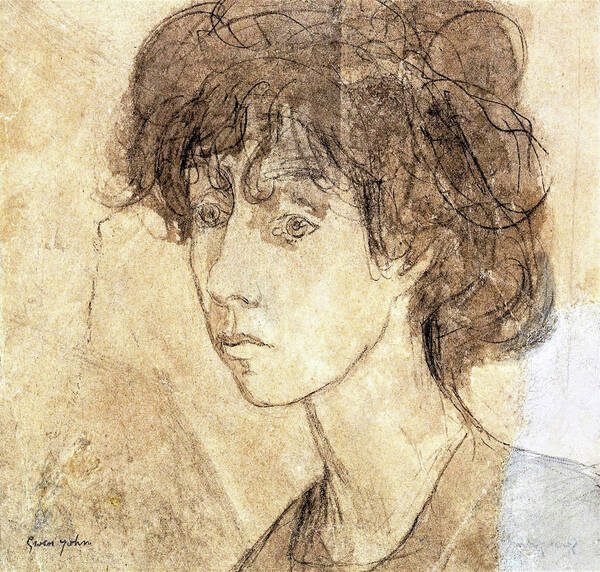
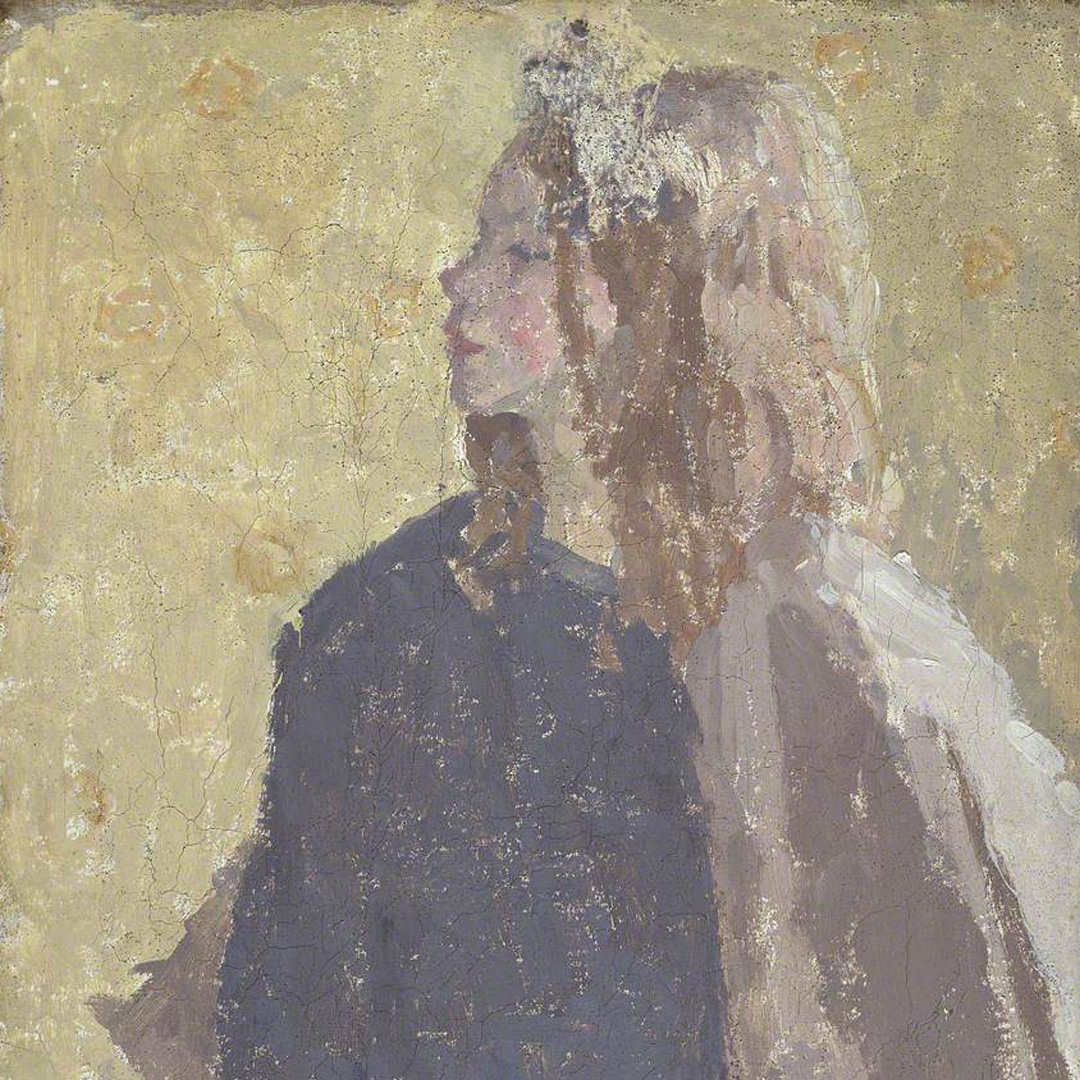
Head of a Young Woman
By Gwen John, 1910
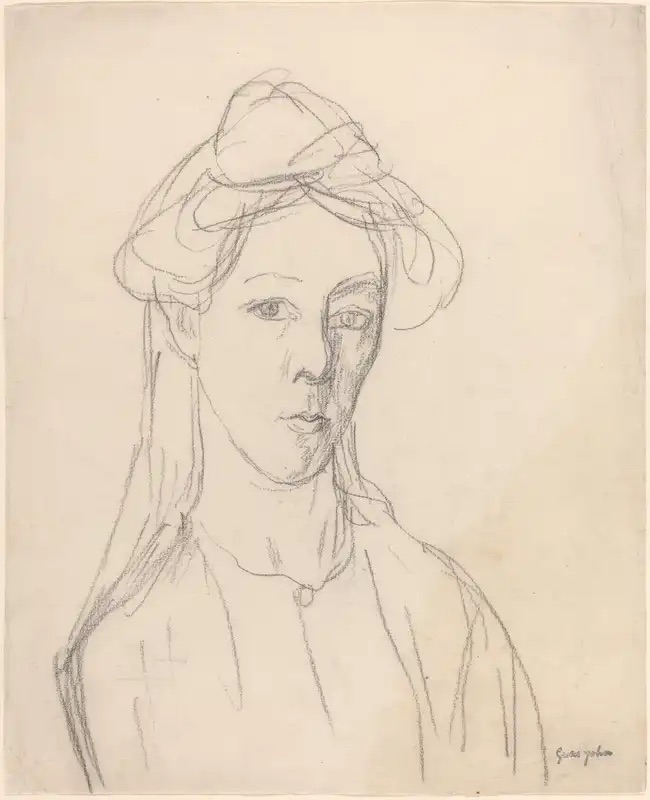
Self-Portrait
By Gwen John, 1900-1910
What makes Gwen John especially compelling today is that her art was inseparable from her interior life. Though she painted fewer than 200 oil paintings in her career, she produced thousands of drawings and sketches. These were not casual preliminaries but real engagements with form, presence and tone. Her sketchbooks and notebooks, preserved in collections like the National Library of Wales, show a mind constantly turning back on itself, wrestling with questions of color, proportion and the act of seeing itself.
In letters she wrote to friends and fellow artists, we glimpse the disciplined attention that drove her practice. She once advised herself with what might read like a creative manifesto:“Rules to Keep the World Away. Do not listen to people more than is necessary. Do not look at people more than is necessary. Have as little intercourse with people as possible.”
These injunctions aren’t hermit’s vanity but a serious artist’s attempt to protect her attention from distraction, to guard the interior space where art could grow.
That inward gaze links directly to what we see in her paintings. Unlike the bold gestures of Fauvism or the spectacle of avant-garde Paris, Gwen’s works are quiet studies of presence. In Girl with a Cat (c. 1918–22), a seated young woman holds a black house cat in her lap. There is no dramatization, no narrative flourish; what matters is the stillness, the way the figure occupies her simple interior and the gesture of her hands. The limited palette and soft tonal shifts pull us into the same contemplative space the artist herself inhabited.
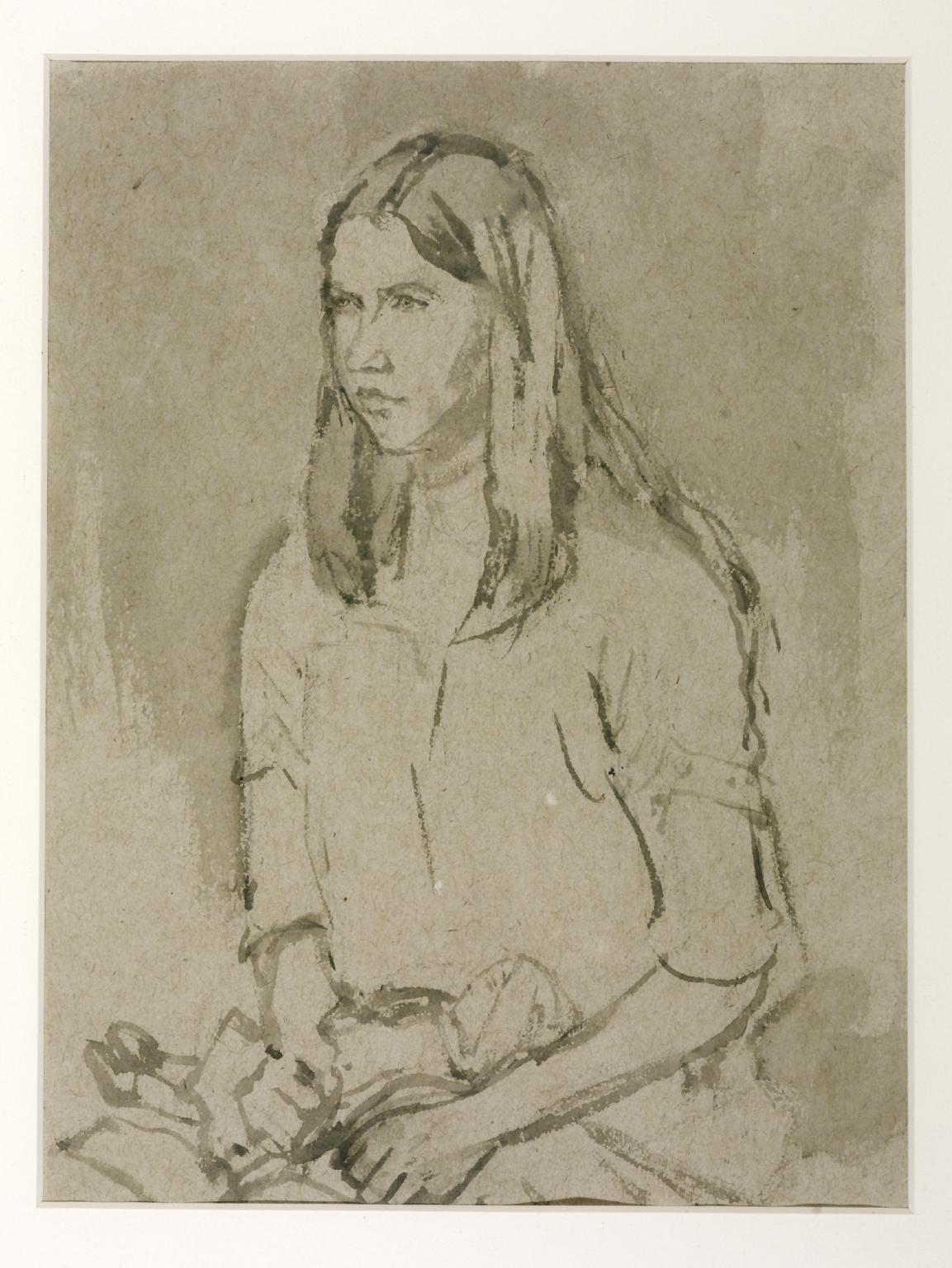
Dorelia in a Black Dress Study
By Gwen John, 1903-1904
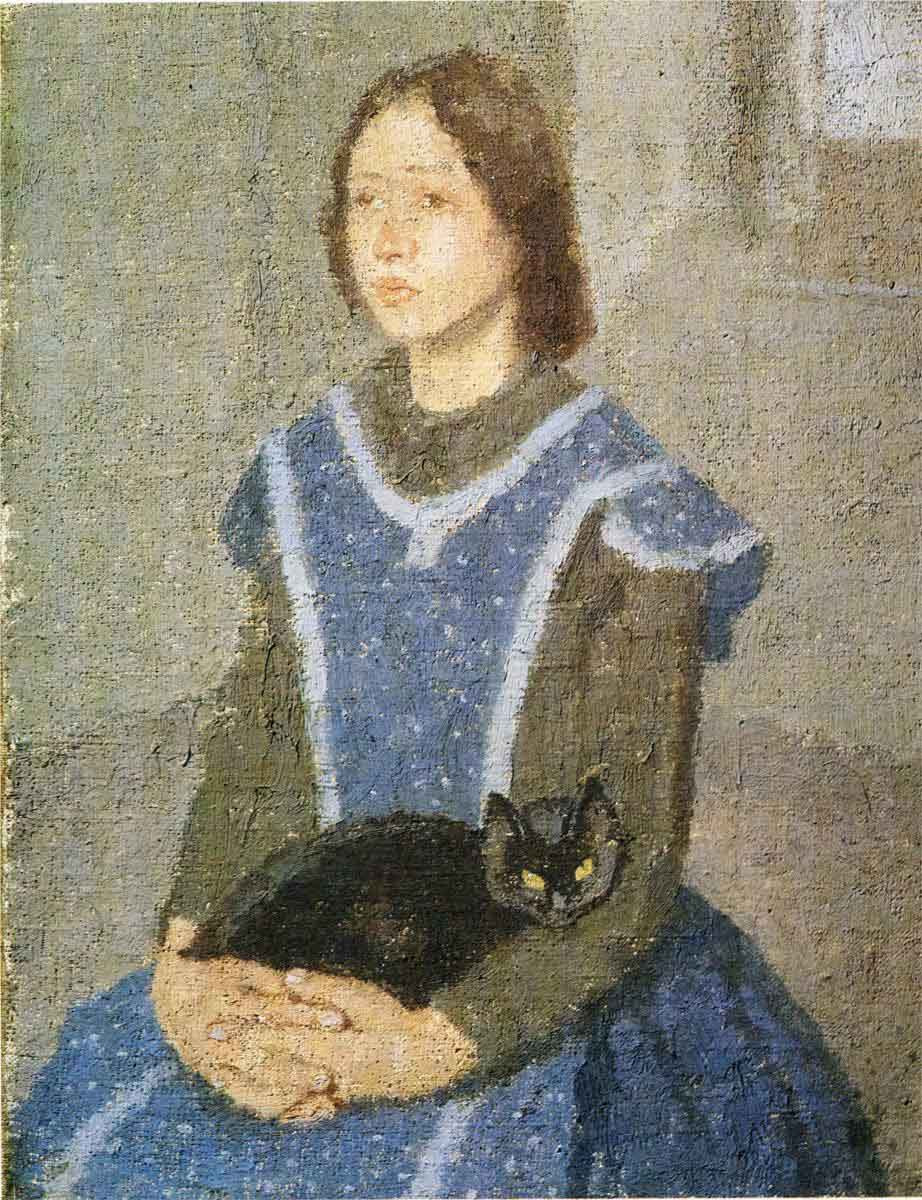
In Girl with a Cat
By Gwen John, 1918-1922
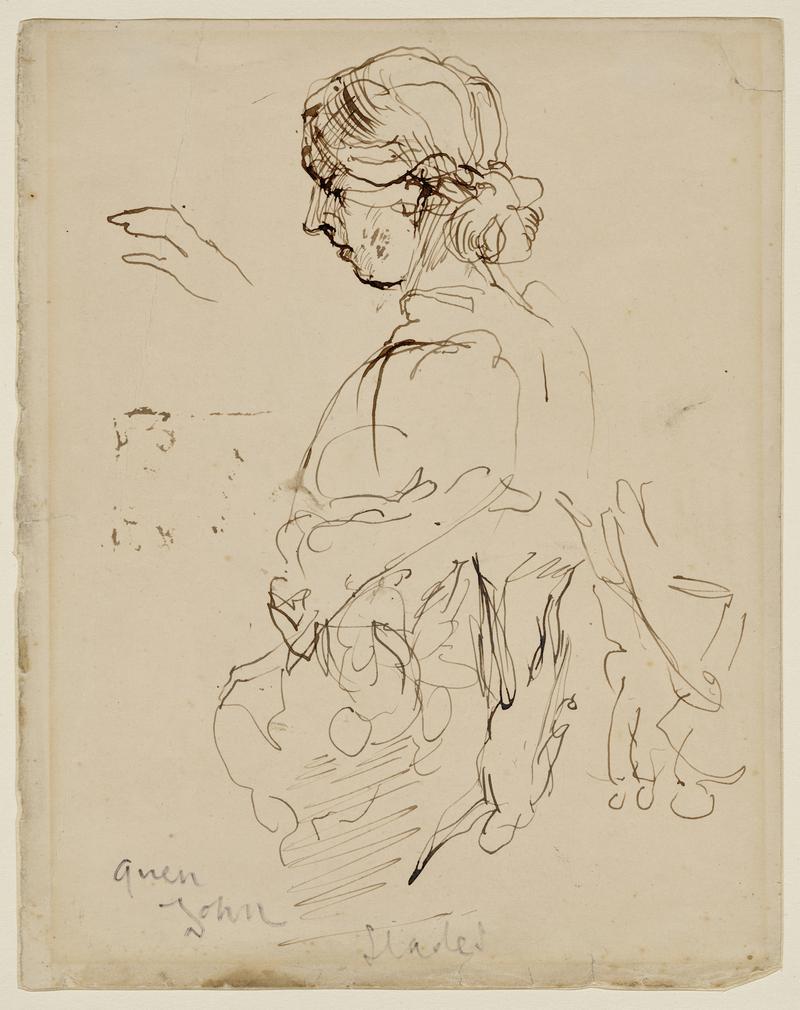
Study of a Woman
By Gwen John, 1910-1915
Her approach to portraiture was rooted in sustained attention. She often painted anonymous women sitting quietly in domestic interiors, or small still lifes like Vase of Flowers where petals have just begun to fall. These are not decorative pictures but records of careful looking — moments when the world recedes and what remains is the subject and the painter’s gaze upon it.
Gwen John’s letters also show a persistent striving. She worried about color relationships and the harmony of tones; she wrote about the challenges of finishing a work in the few sittings she allowed herself. Her correspondence reveals a careful, thoughtful artist continually refining her understanding of her medium and her own responses to it.
In another letter she described writing as “a very important event … It is the only chance I have, for in talking, shyness and timidity distort the meaning of my words in people’s ears.” This self-awareness about how interior life shapes outward expression is exactly what animates her art.
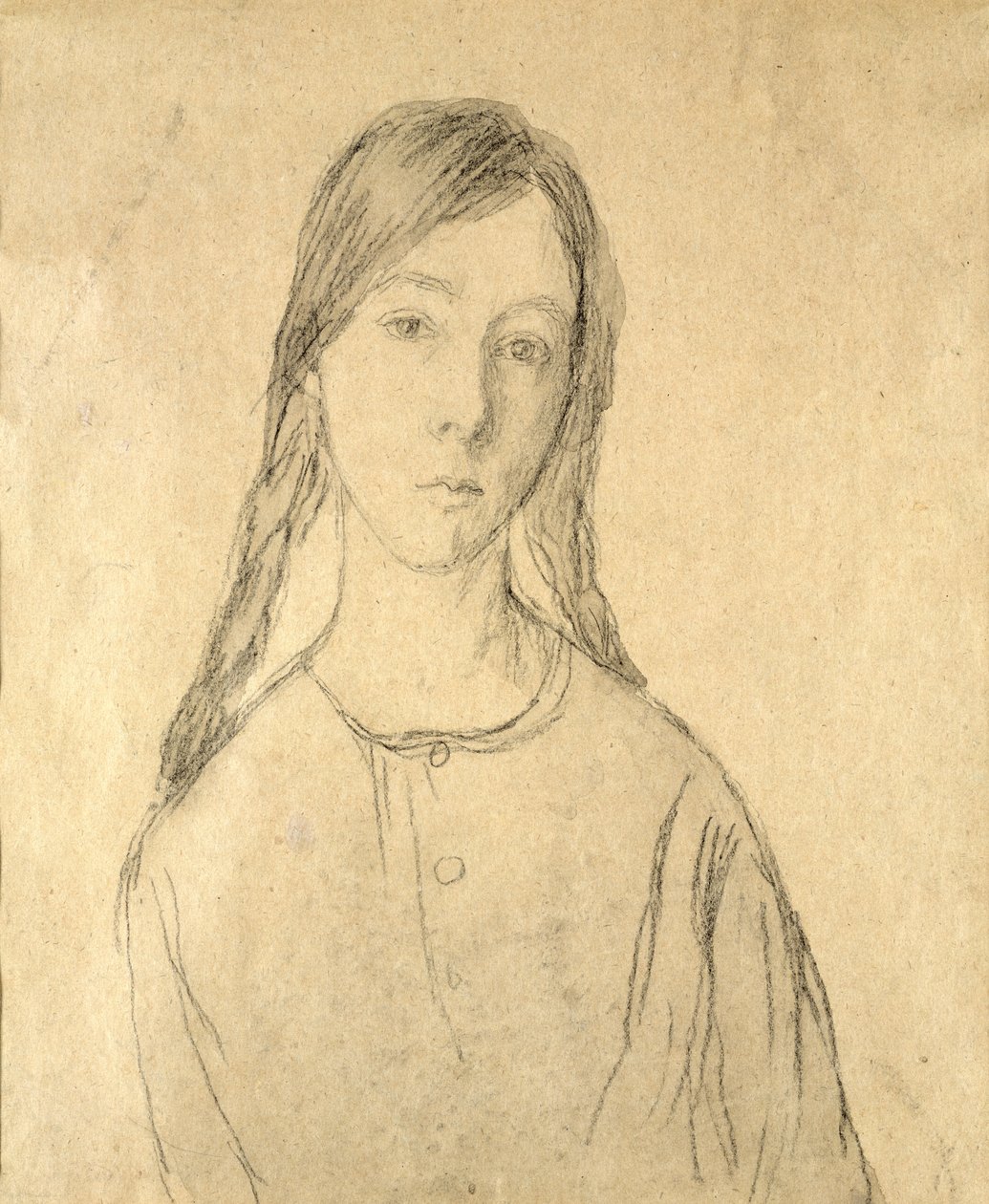
Self Portrait
By Gwen John, 1900-1905
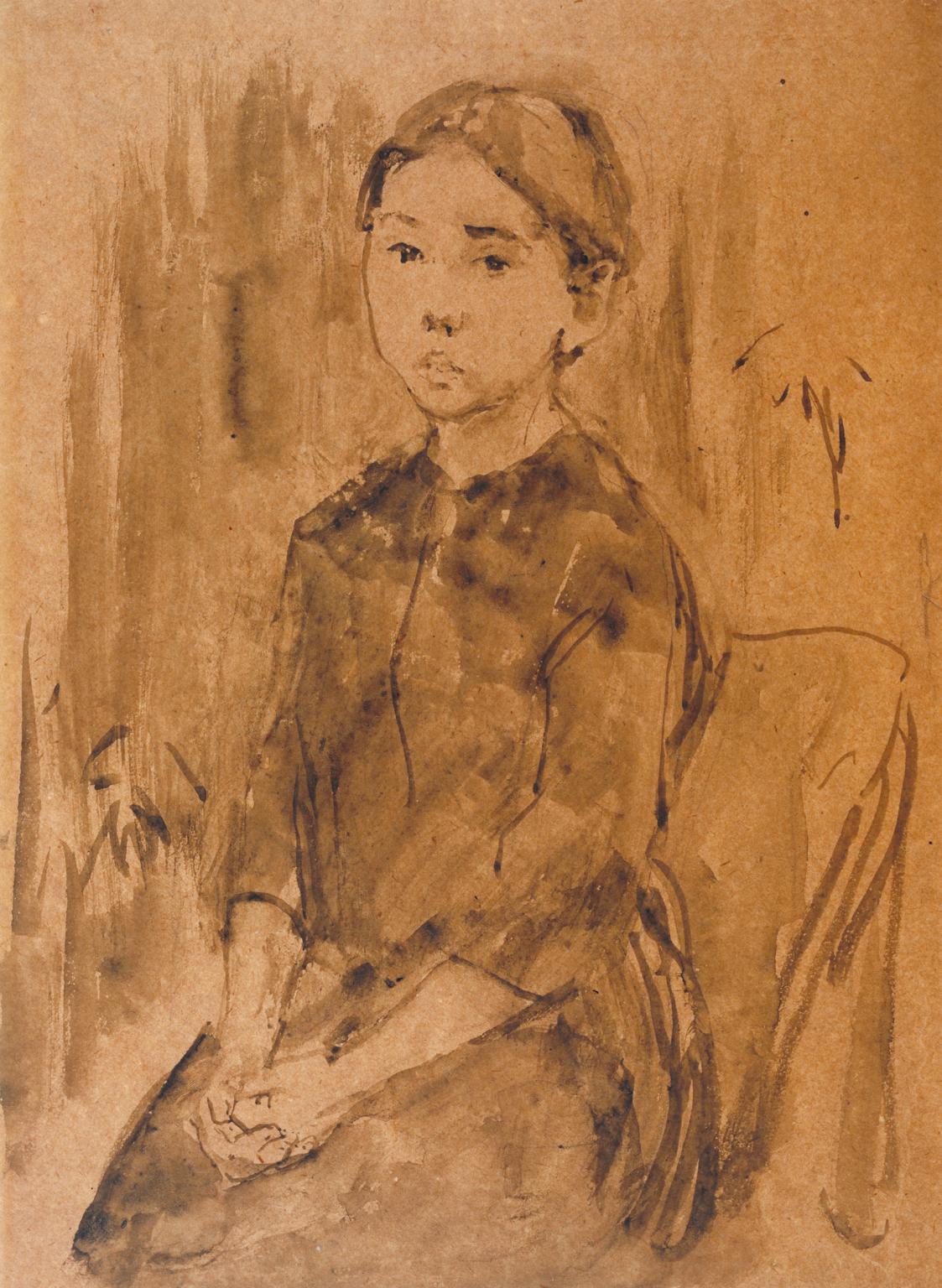
Study of a girl
By Gwen John, 1910
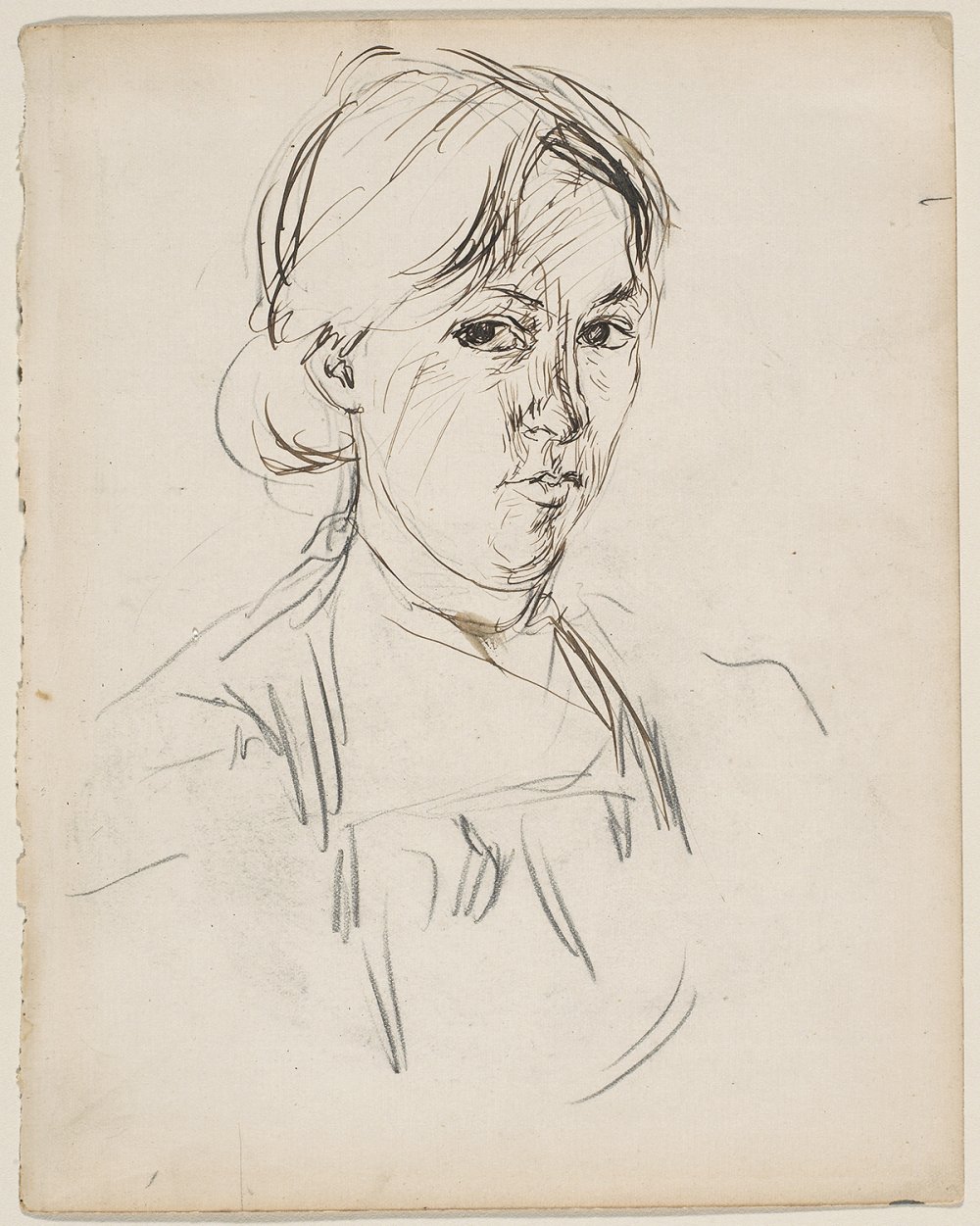
Self Portrait
By Gwen John, 1907
Her conversion to Roman Catholicism in 1913 also left marks on her work. She painted several portraits of nuns and small groups of churchgoers, and her notebooks from this period include both meditative sketches and written reflections. Whether in religion or in art, she sought a concentrated interiority, a space where attention was not fractured but continuously returned to the same few concerns.
Gwen John’s work offers something rare and sustaining. Through her letters and sketchbooks we see the slow accretion of insight that ultimately shapes a painter’s vision. In turning her gaze inward, she made paintings that invite us, in turn, to look more deeply at what matters in art and in our own lives.
On a fresh page, set a timer for five minutes and begin drawing or painting immediately. Work quickly and without hesitation, allowing your hand to move before your thoughts catch up. Avoid erasing or correcting as you work.
When the timer ends, stop. Later, return to the page and add a second layer, this time working slowly and refining only what feels essential.
Reflect: Where did instinct guide you accurately?
What shifted when you brought patience and focus back in?

(Inspired by the pencil self-studies of Gwen John)
Choose yourself as the subject. Sit in front of a mirror or use a simple reflection, keeping the setup quiet and consistent. Using pencil only, make a small, simple self-portrait focused on line rather than detail. You could opt to try a continuous one-line method where you do not lift your pencil. Work slowly and lightly, allowing the drawing to remain understated. Stop before the image feels complete.
Return to the same self-portrait on a new page another day and repeat the process. Keep the scale small and the approach restrained. Do not aim to improve likeness or expression. Instead, focus on observing more carefully each time you draw, letting small shifts in line and proportion emerge naturally.
Reflect: What do you notice when you look at yourself without embellishment or performance?
Choose one painting or drawing by Gwen John that feels quiet and restrained, such as a seated figure, simple interior, or still life. Spend a few moments looking closely at the composition, palette, and tone before you begin.
Make a careful copy of the work. Work slowly and focus on proportion, value, and color relationships rather than detail or interpretation. Keep your materials simple and let attention guide the process.
Reflect: What did you notice about her restraint and use of repetition? How did copying the work change the way you see it?
You can view our Pinterest board to see more of her work…
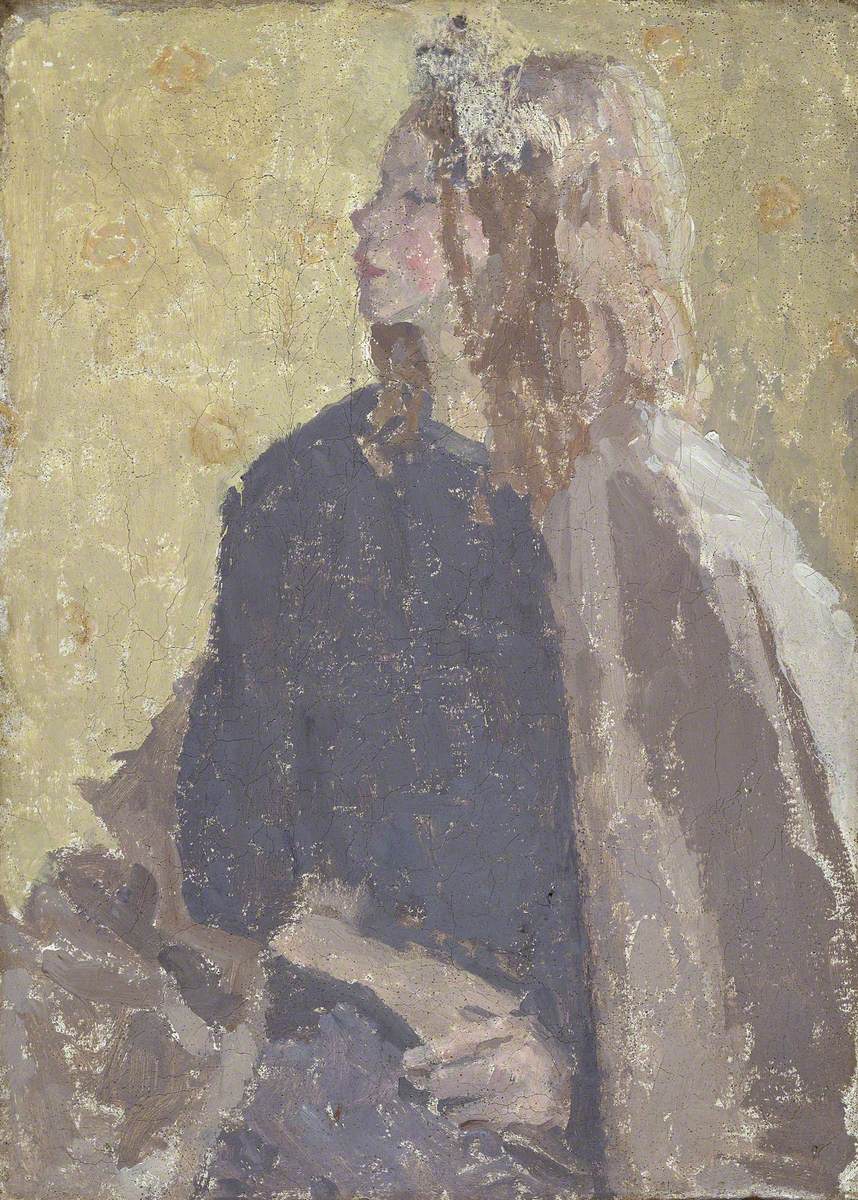
Girl in Profile
By Gwen John, 1918
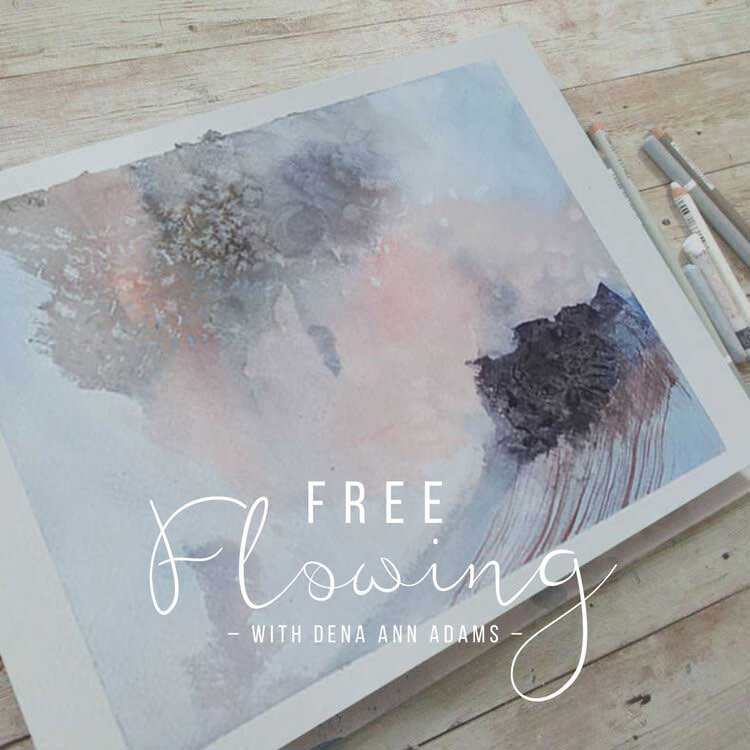
This class meets this month’s journal theme at its most intuitive point, the quiet moment where instinct shapes what comes next. Working between abstraction and observation, you’ll explore watercolor and mixed media as a way of listening inward, distilling what draws your attention into shape, color, and texture.
Rather than rushing toward resolution, the process invites you to trust your inner orientation, strengthening your work through simple compositional touchstones while allowing instinct to guide the image into form.
You can also listen to this month’s issue of the Studioworks journal. I find I love listening to books, podcasts and music while I draw, paint or go on a long walk. Enjoy.

One of my favorite things to do is to curate inspiration. From Pinterest boards to books, resources, playlists and more - I love to share anything that might facilitate learning, expansion, and sparks of curiosity! Being an artist, we naturally crave these things so here are some of this month’s picks from me to you.
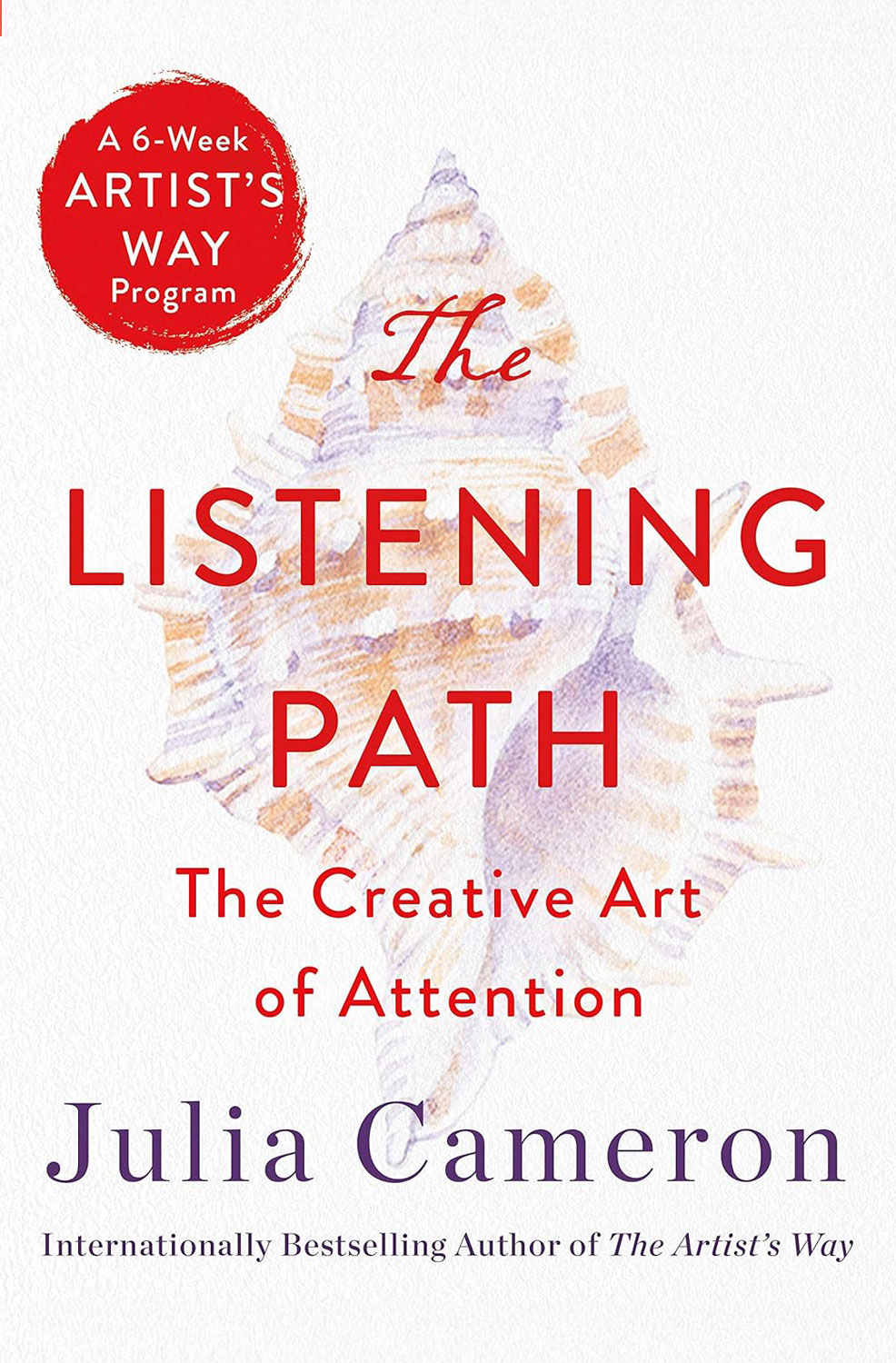
If our last issue was about the courage to move, this book is about the discipline of stillness. Cameron, the "Godmother" of modern creativity, offers a gentle guide on how to tune our internal frequency. For the artist who feels she is "moving too quickly toward resolution," this book provides the tools to slow down and hear the whispers of the next creative impulse before it becomes a loud demand.

A collection of essays that serves as a chorus of voices for the mature creative woman. This book explores intuition not as a mystical fluke, but as a vital, sharp intelligence. It’s an invitation to stop doubting the "signals" you feel beneath the surface and to start treating them as the reliable guides they truly are.
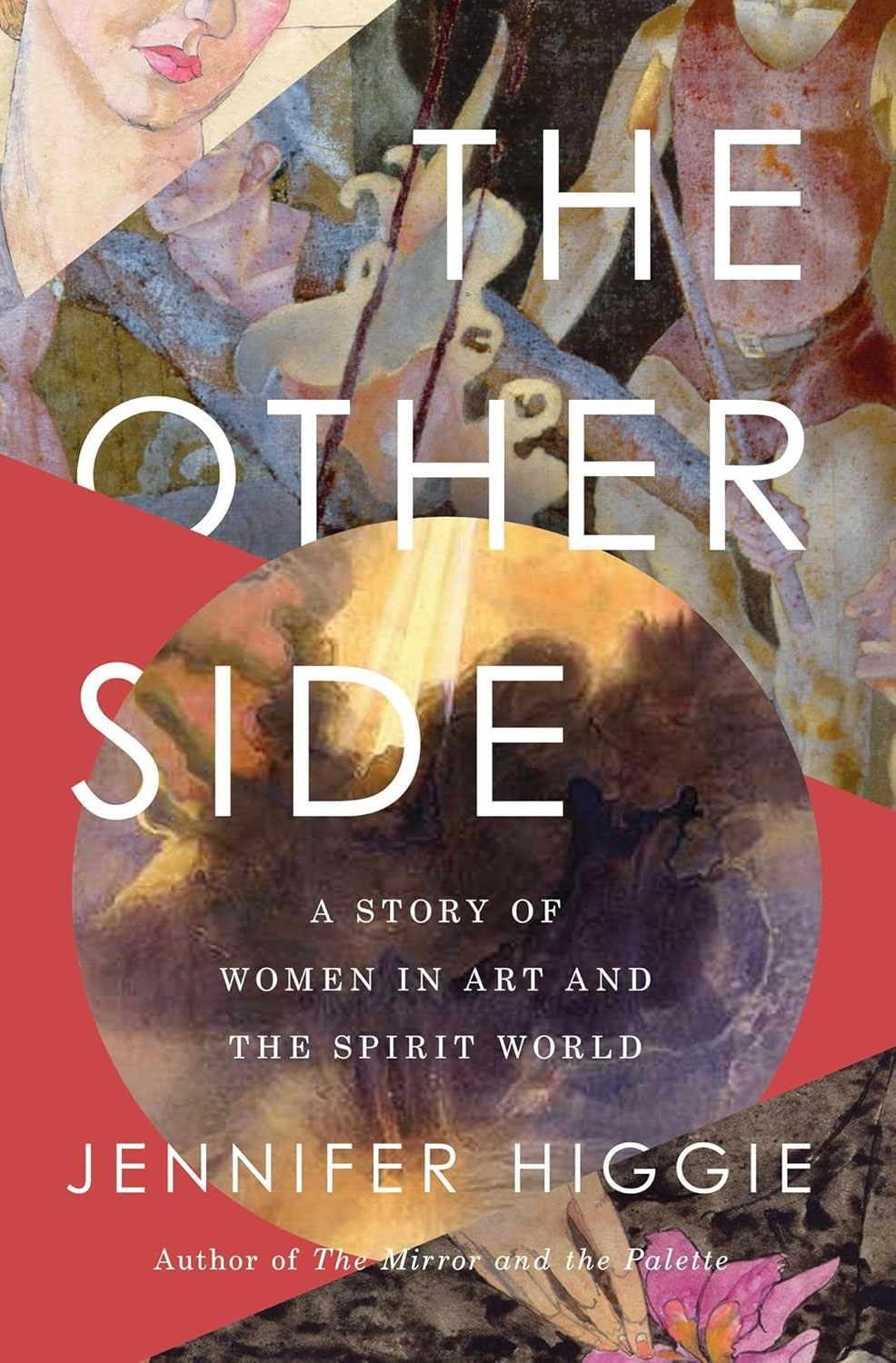
For those who find inspiration in the lineage of women artists like Gwen John, Higgie’s book is a revelation. She explores how women throughout history have used their "inner gaze" to channel art that feels otherworldly. It’s a wonderful reminder that when we turn inward, we aren't just looking at ourselves, we are connecting to a long, sacred tradition of feminine intuition and spiritual creativity.
I had so much fun curating this list. I hope you enjoy!!
Classes that pair well with this month’s theme in your Studioworks Creative Library